
Last updated November 16, 2026
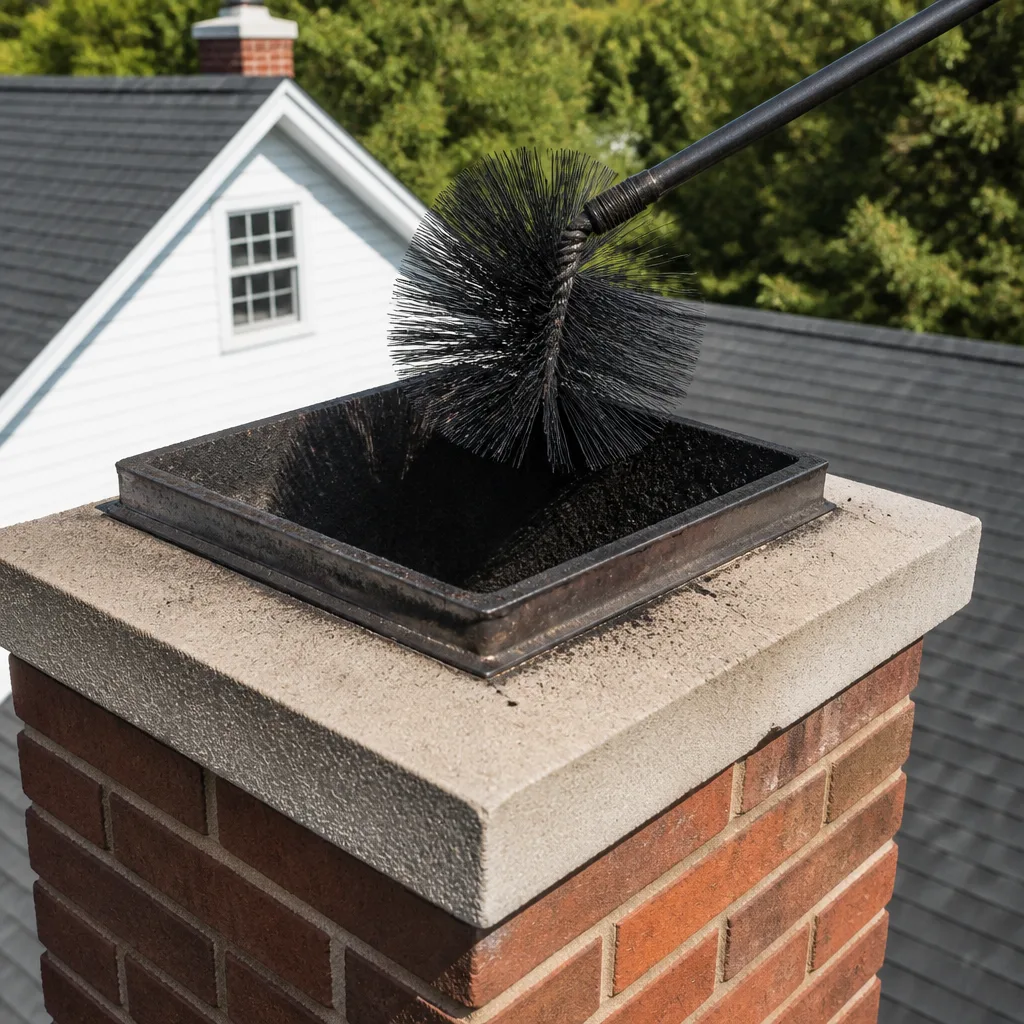 Sweep & inspection
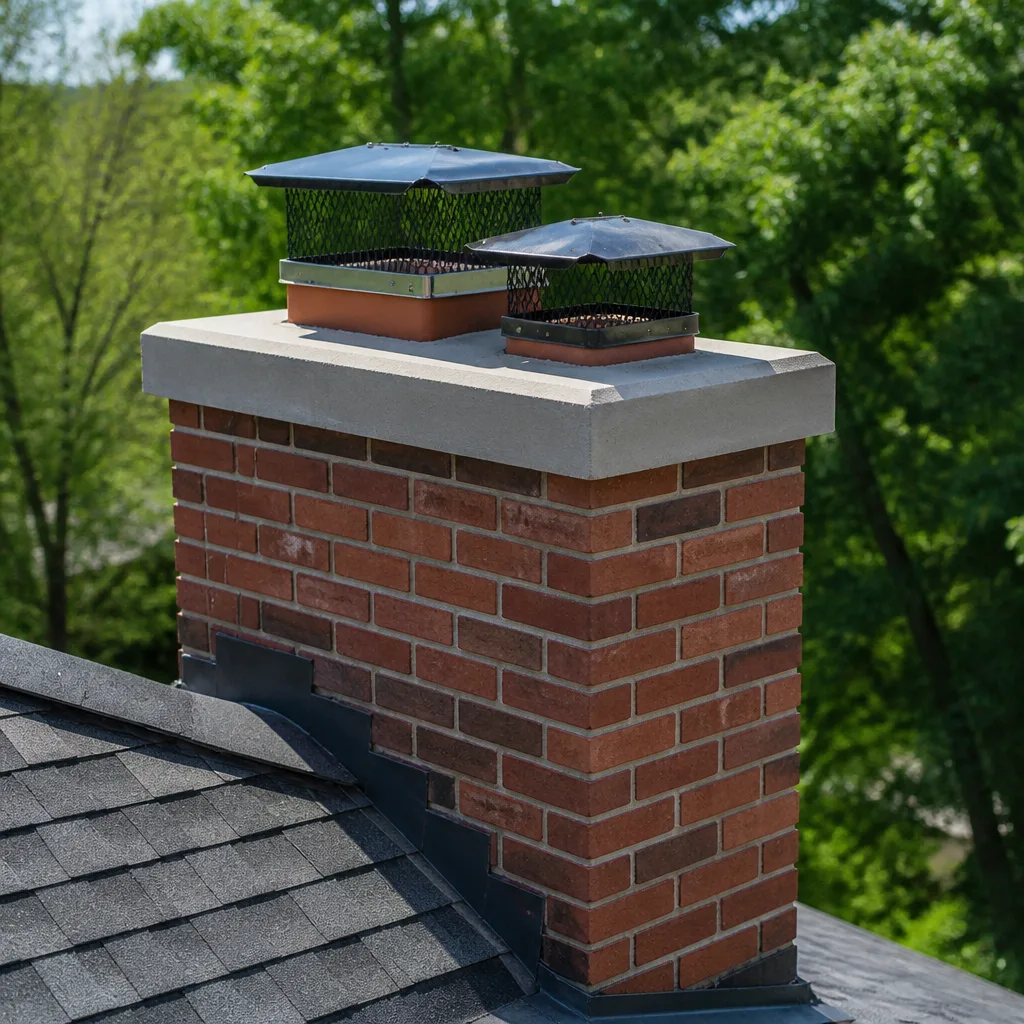 Caps & crowns
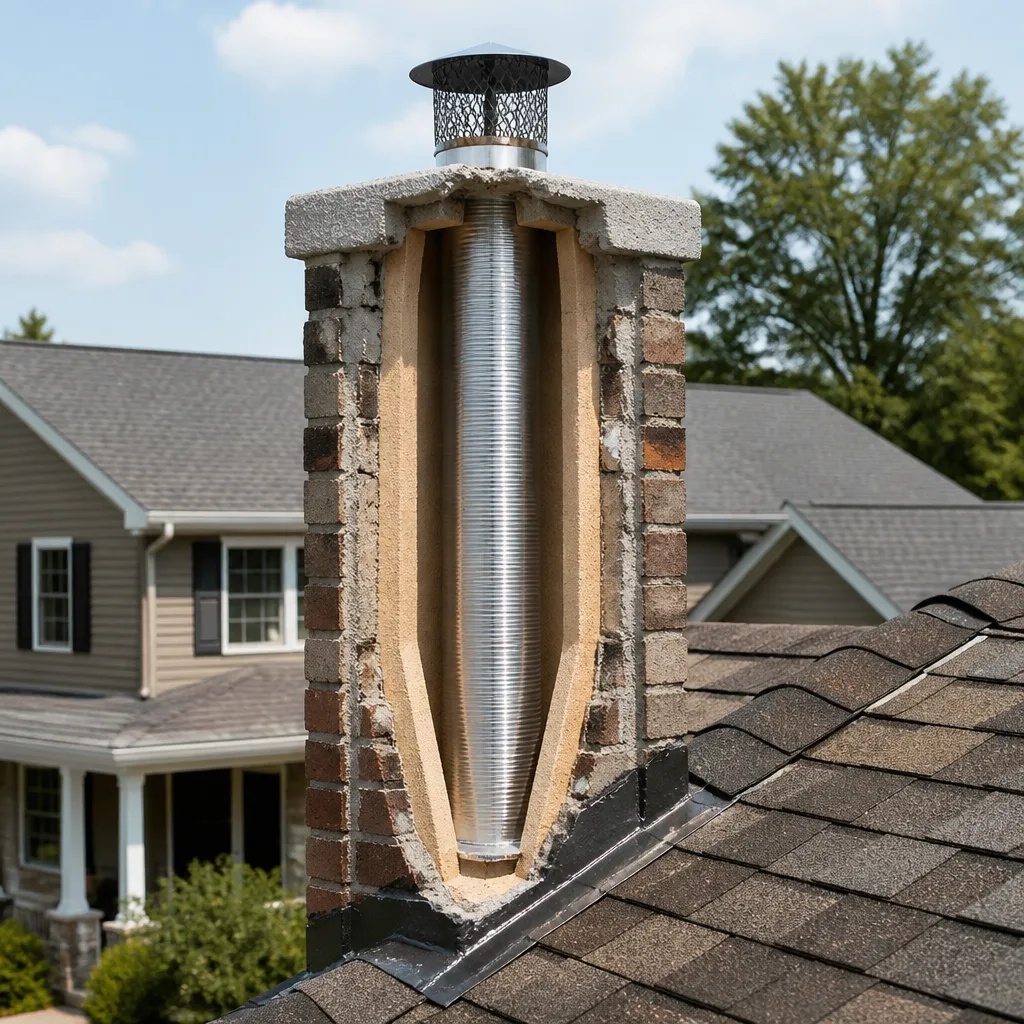 Flue relining
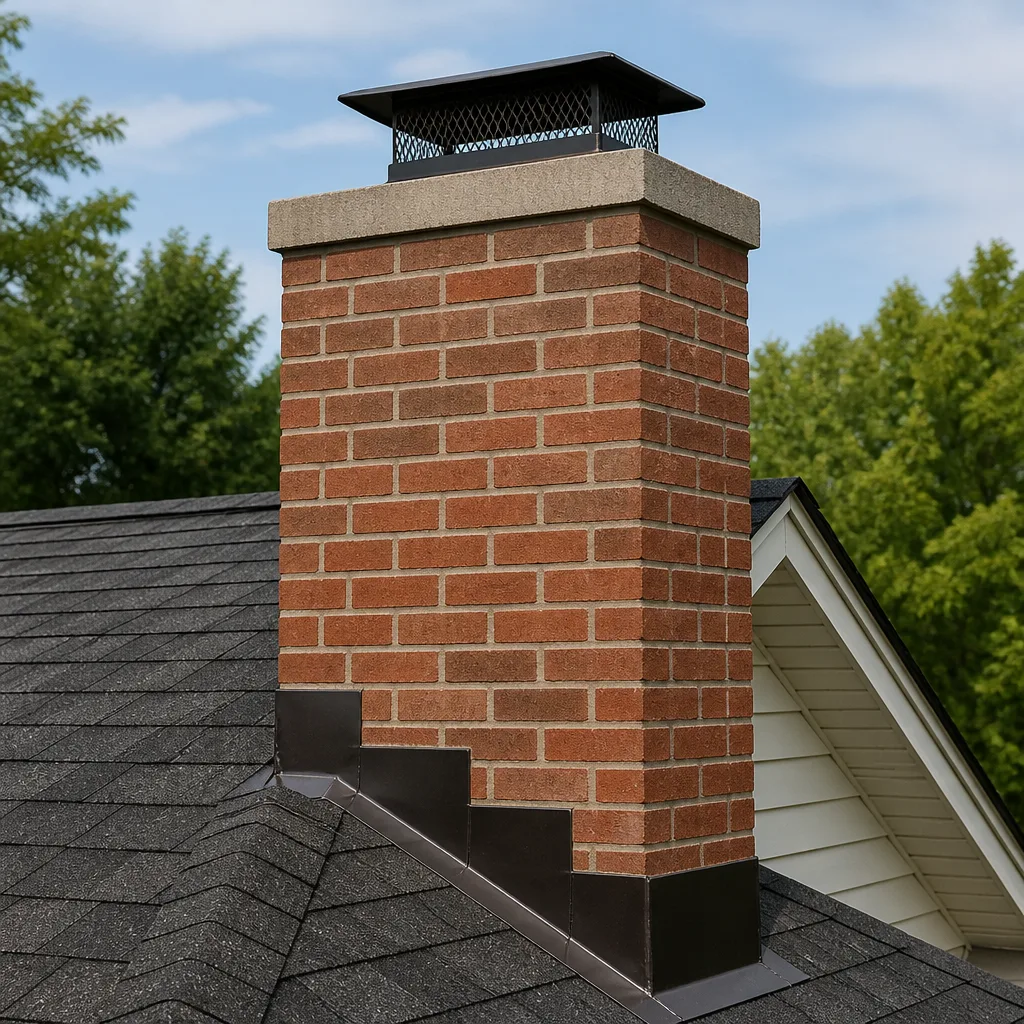 Masonry repair
 Gas fireplace service
Level 1 sweep and inspection to the NFPA 211 annual standard - flue, crown, cap, and flashing checked and photographed
Chimney sweep logs do not sweep chimneys. They loosen some creosote - which then falls where a brush and vacuum still have to collect it.
Chimney Cleaning Emergency Preparedness Guide for Providence Homes
Most chimney emergencies don’t announce themselves with flames shooting out of the chimney top. They start quietly: a low rumble a homeowner mistakes for the furnace kicking on, a faint smell of creosote, a puff of smoke that shouldn’t be there. By the time panic sets in, the first 60 seconds have already passed. That window (the brief stretch where the right three actions keep a chimney fire inside the flue) is where this guide lives. Below you’ll find the actual protocol for a chimney fire, how to tell one apart from normal combustion racket in a Providence triple-decker, and what to do the morning after. Read it once now; you’ll move faster if you ever need it.
Quick Answer
A chimney fire emergency requires three actions in order: close the damper to cut off oxygen, get everyone outside, then call 911. Do not try to fight a chimney fire with water or an extinguisher through the firebox. After any chimney fire, the entire venting system needs a professional inspection before it’s used again, no matter how minor the event seemed. Preparing before an emergency means knowing the sounds, keeping a clear exit, and having the detector placement right.
Styles & brands we work with
- Sweep & inspection
- Caps & crowns
- Flue relining
- Masonry repair
- Gas fireplace service
Table of Contents
- The 60-Second Protocol: What to Do First in a Chimney Fire
- How to Tell a Chimney Fire From Normal Combustion Sounds
- Carbon Monoxide Risk in Providence’s Older Housing Stock
- After a Chimney Fire: Why Inspection Comes Before Any Reuse
- Emergency Contacts and Documentation Checklist
- Prevention: What a Seasonal Chimney Sweep Actually Prevents
- What Your Insurer Will Ask For
- Common Mistakes to Avoid
The 60-Second Protocol: What to Do First in a Chimney Fire
The sequence matters more than the individual actions. Closing the damper starves the fire of the oxygen it’s pulling up the flue, but only if you do it before the fire has any chance to jump to surrounding wood framing. Do it after you’ve already called 911 and the fire has been burning for several minutes with the damper open, and the fire may have already gained enough energy to be self-sustaining.
Here’s the order:
- Close the damper. That single handle at the top of the firebox is the fastest way to reduce the air feeding the fire. Don’t reach into the firebox to grab tools or logs. Just close it and move.
- Get everyone out of the house. No exceptions, no “let me grab the safe.” If you have pets, call them to the door and leave. Meet at a pre-agreed spot, ideally the sidewalk across the street.
- Call 911 from outside. State that you have a chimney fire, your address, and whether you see flames or smoke coming from the roof. Stay on the line until dispatched.
- If it’s safe and quick, dampen the firebox. From outside the firebox, a chimney fire extinguisher or a bucket of sand can help, but only after you’ve exited and called 911. Never put yourself between a chimney fire and your exit.
- Wait for the fire department. Do not re-enter until they’ve cleared the building, even if the fire appears out.
One more point: do not close the damper if the fire has already spread past the flue into the structure (you’ll see smoke coming through walls or the ceiling). In that case, exit and call immediately.
How to Tell a Chimney Fire From Normal Combustion Sounds
Providence has a particular complication here: the housing stock is old, and a sizable share of the chimneys in neighborhoods like Federal Hill, Fox Point, Mount Pleasant and the East Side were built with single-wythe clay tile liners. Those tiles crack over time, and a cracked tile can transmit heat into the wood framing behind it in a way modern liner systems don’t.
That means the sound of a chimney fire in a Providence home can be deceptive. Creosote igniting in a flue doesn’t always roar. Here’s how to compare:
- Normal combustion: a soft, steady hiss from the firebox, occasional pops from sap or moisture in the wood, the tick of the metal damper expanding as it heats.
- Early chimney fire: a low rumble that sounds almost like a distant freight train or a jet passing overhead, often accompanied by a sudden, sharp increase in the draft sound.
- Active chimney fire: loud crackling, popping or roaring from the chimney itself, not the firebox. You may hear it even with the damper closed.
- Visible signs: flames or sparks from the chimney top, thick dark smoke, a sudden smell of hot metal or burning plastic, or a vibration you can feel through the wall near the chimney chase.
If the sound doesn’t match normal combustion and you’re unsure, treat it as a chimney fire. Better to call 911 and stand in your yard for 20 minutes for nothing than to guess wrong. Fire departments in Providence respond to chimney calls routinely, and no one will fault you.
Carbon Monoxide Risk in Providence’s Older Housing Stock
Carbon monoxide from a chimney system doesn’t come from the fire itself. It comes from combustion gases that can’t escape properly: a blocked flue, a cracked liner, a collapsed crown, or a backdraft condition that pushes exhaust back into the living space. In Providence’s older housing, the highest-risk configurations are specific and worth knowing.
Which setups carry the most risk:
- Gas inserts vented into an existing clay tile flue. These are common in renovated Providence homes, particularly in condos carved out of older three-deckers. If the insert’s liner isn’t matched to the flue, and the original tiles have gaps, CO can migrate into adjacent rooms.
- Oil-fired furnaces sharing a flue with a wood fireplace. Two appliances on one flue can backdraft each other when one isn’t running. The fix is usually a separated liner, not a new furnace.
- Chimneys on the windward side of a triple-decker. The roofline creates pressure zones where downdrafts push exhausted gas back into the unit below. Cap height and damper operations matter here more than they do in a standalone house.
- Sealed-tight older homes with modern windows. A tight envelope reduces the makeup air available for combustion, which is why many older Providence homes vent better with a slightly cracked window during fireplace use.
Detector placement matters. CO is slightly lighter than air and mixes freely, so ceiling-mounted combination CO/smoke detectors in hallways outside sleeping areas cover most of the risk. What doesn’t cover it: a single CO detector in a hallway that’s three rooms away from the chimney chase. If the chimney passes through a bedroom closet or a wall between two units, a second detector near that chase is worth the $25.
If your system vents a gas furnace, gas water heater, gas insert or oil boiler, you need CO detection on every level of the home, not just the main floor. And if the alarm ever sounds and you can’t find a source, open windows, get outside, and call 911 before calling any trade company. CO is a fire department problem first.
After a Chimney Fire: Why Inspection Comes Before Any Reuse
This is the part most homeowners skip. A chimney fire that “went out on its own” can leave a compromised flue that looks intact from the firebox and is structurally failed six inches up. The visible firebox brick and the damper assembly tell you almost nothing about the condition of the liner 12 feet overhead.
Three things typically happen inside a chimney after a fire:
- Clay tile cracks or spalls. Rapid heating and cooling stress the tile joints. A hairline crack can become a gap that lets heat and gases reach the framing.
- Mortar joints dislodge. The joints between tiles are the first thing to fail, and once a joint opens, the entire liner run needs evaluating.
- Creosote glazes and hardens. A fire can actually fuse creosote into a shiny, hard glaze that’s harder to sweep than the original deposit. This is a fire risk on its own for the next burn season.
A proper post-fire inspection involves more than looking up the flue with a flashlight. It should include a camera run or visual inspection of the full liner length, an assessment of the crown and cap, a check of the firebox and damper, and a determination of whether the flue is safe for continued use. If it isn’t, options range from relining with a flexible system to resurfacing a compromised flue with a HeatShield system. Both are contractor-grade approaches, not patched solutions.
Don’t skip inspection because the fire was small. “Small” chimney fires still generate enough heat to crack a tile, and the cost of an inspection is trivial next to the cost of a failed liner. This is one of those places where chimney repair is really about the system you can’t see, not the box you can.
Emergency Contacts and Documentation Checklist
In the middle of a chimney emergency, you don’t want to be scrolling through your phone looking for the right number. Build a simple one-page card now and tape it inside a kitchen cabinet. Here’s what belongs on it:
- 911 (fire department). Always first if there’s any active fire, smoke, or CO alarm.
- Your gas utility’s emergency line if you smell gas or suspect a leak. Keep the number in your phone and on the card.
- Your chimney company. Ours is (833) 315-2861. We answer 24/7. Fast dispatch from 7am to 7pm, Sunday through Friday.
- Your homeowner’s insurance claim line, not the customer service number. Claims have a separate line and a separate claim number format.
- A short medical note for each household member: allergies, medications, mobility needs. If someone has to be evacuated by responders, that card matters.
Documentation for a claim starts the moment you’re safely outside. Photograph:
- The interior firebox, damper and surrounding brick before any cleanup.
- The chimney exterior from the ground, including the cap, crown and any visible damage.
- Any interior staining, soot patterns or smoke damage on walls and ceilings.
- The fire department’s incident number or report card if they provide one.
- Timestamps on every photo (phones do this automatically, but verify).
Save all of this in one folder on your phone and email it to yourself. Insurers will ask for a date of loss, a description of the event, a cause determination, and documentation of the pre-loss condition. A pre-event inspection report is the single most valuable piece of paper you can have on hand. If you don’t have one, say so plainly and offer the post-event inspection as the closest available evidence.
Prevention: What a Seasonal Chimney Sweep Actually Prevents
Chimney fires are largely a deposit problem. Creosote builds each time you burn, and its form matters far more than its volume. A small amount of glazed, tar-like creosote is far more dangerous than a larger amount of soft, sooty deposit, because the glazed form ignites at lower temperatures and burns hotter. You can’t see the difference from the firebox. A sweep can.
An annual chimney sweep does three things in order: it removes the deposit, it checks the venting path for obstructions, and it flags anything that’s changed since the last visit. That third part is what actually prevents chimney fires. The sweep itself removes fuel; the inspection identifies the conditions that would let a future fire get out of hand.
In Providence, several patterns repeat every fall:
- Caps missing after storms, letting in rain, leaves and animal nests.
- Cracked crowns that route water into the chimney body instead of shedding it.
- Clay tile liners with joints that have opened after a hard winter.
- Fireboxes where the mortar joints are soft enough to indicate moisture penetration.
None of those are visible from the basement or the firebox. If you haven’t had the system swept since last season, schedule the sweep before the first real cold snap, not after. The chimney is a venting system first, a fireplace second, and the venting path is where almost every avoidable failure originates.
What Your Insurer Will Ask For
Insurers handle chimney fire claims with a specific question set, and knowing it in advance puts you ahead of the process. The claim adjuster’s version of “what happened” has a different shape than your neighbor’s version.
Expect these questions:
- When was the chimney last swept and inspected? (Have the receipt and the report.)
- Was there a prior inspection report? (Even an old one helps establish baseline condition.)
- What was the cause? (The fire department’s determination carries weight; a chimney professional’s report supports it.)
- Was the fire contained to the flue? (This is the same question your post-fire inspection answers.)
- Was there any smoke or water damage inside the living space?
Denial risk usually comes from three places: no maintenance history, unrepaired issues that appeared on a prior inspection report, or a claim that looks like a pre-existing condition. That last one is why documentation matters more than most people realize. If you had a sweep last season, you can show you were maintaining the system. If an inspection flagged a liner issue and you didn’t repair it, the adjuster will probably see that too.
For a claim, your documentation should include: the most recent sweep and inspection report, the fire department incident report, dated photos of the interior and exterior, and the post-fire inspection report from a chimney professional. If your insurer asks for a cause-and-origin investigation, that’s a separate service, typically performed by a fire investigator, and we can help you find one.
Common Mistakes to Avoid
- Trying to put out a chimney fire from the firebox with water. Water dumped into a hot flue can produce a violent steam flash and crack the tiles even worse. Close the damper, get out, and let the fire department handle it.
- Waiting until the fire “seems out” before exiting. A chimney fire can smolder in the creosote for hours after the visible flames stop. Get out first, ask questions later.
- Reusing the chimney the next day without a post-fire inspection. The visible firebox tells you nothing about the liner. Providence homes with clay tile liners are especially prone to hidden cracking.
- Putting a CO detector only in the hallway. If the chimney passes through a closet, an attic knee wall, or between two units in a converted triple-decker, add a detector near that chase.
- Assuming a gas insert doesn’t need chimney maintenance. Gas inserts, oil furnaces and gas boilers all vent through the same chimney system. The appliance type changes the inspection focus, not the need for one.
- Skipping the sweep because “we only burn a few times a year.” Low burn volume builds less creosote but still builds some, and in Providence the bigger risk is often a cracked crown or missing cap letting in water between burns.
- Calling the cheapest bid first. Chimney work is a specialist trade. A generalist with a brush and no camera will miss the liner issues that matter most.
When to Call a Professional
Call a professional chimney company if any of these apply: you’ve had any chimney fire, even a small one; you smell creosote or smoke in the living space when the fireplace isn’t running; your CO detector has activated without an obvious cause; you see cracked or missing mortar inside the firebox; the chimney cap or crown is damaged; or you don’t know when the system was last serviced. Also call if an insurer has asked you for a cause-and-origin report after a claim, or if you’re near closing on a home purchase and want a pre-purchase chimney repair assessment before signing. Providence Chimney Cleaning offers free estimates in Providence for all of these. Call (833) 315-2861. We answer 24/7. Fast dispatch from 7am to 7pm, Sunday through Friday.
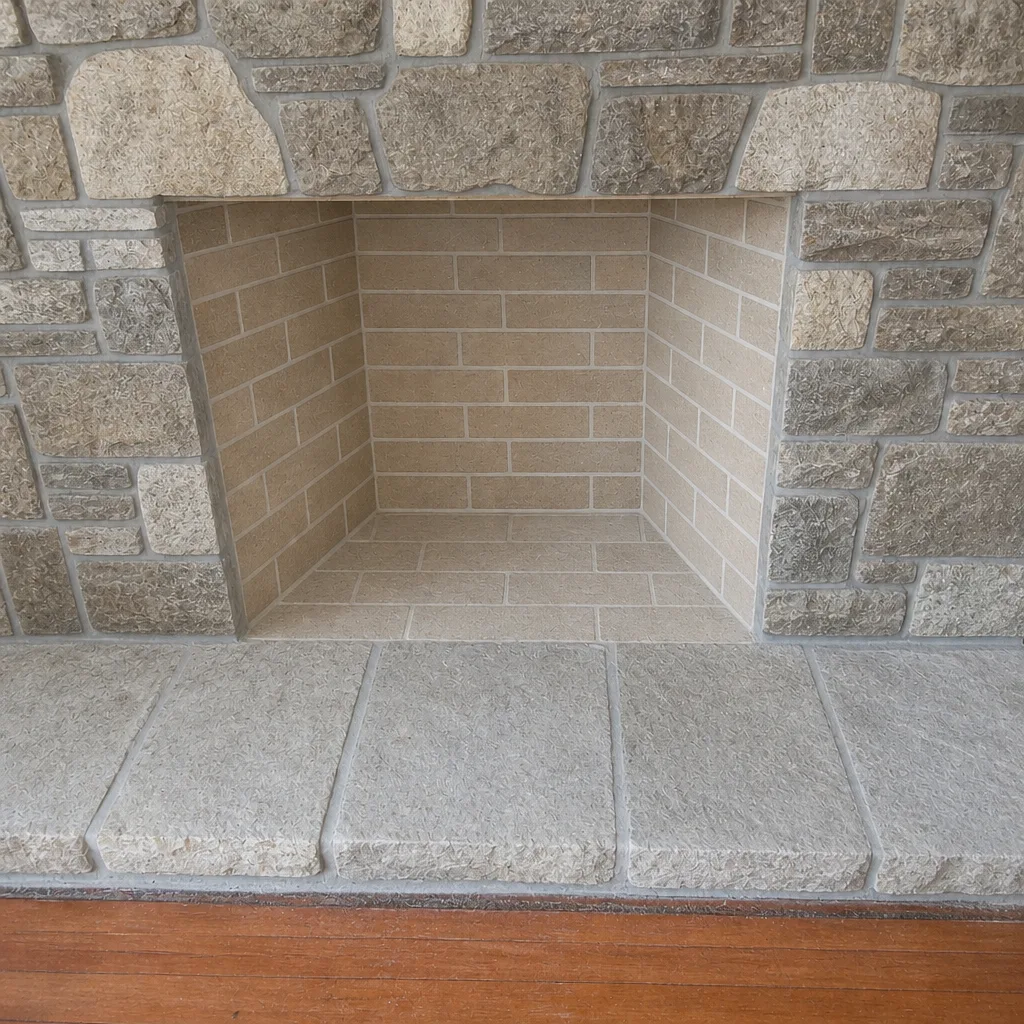
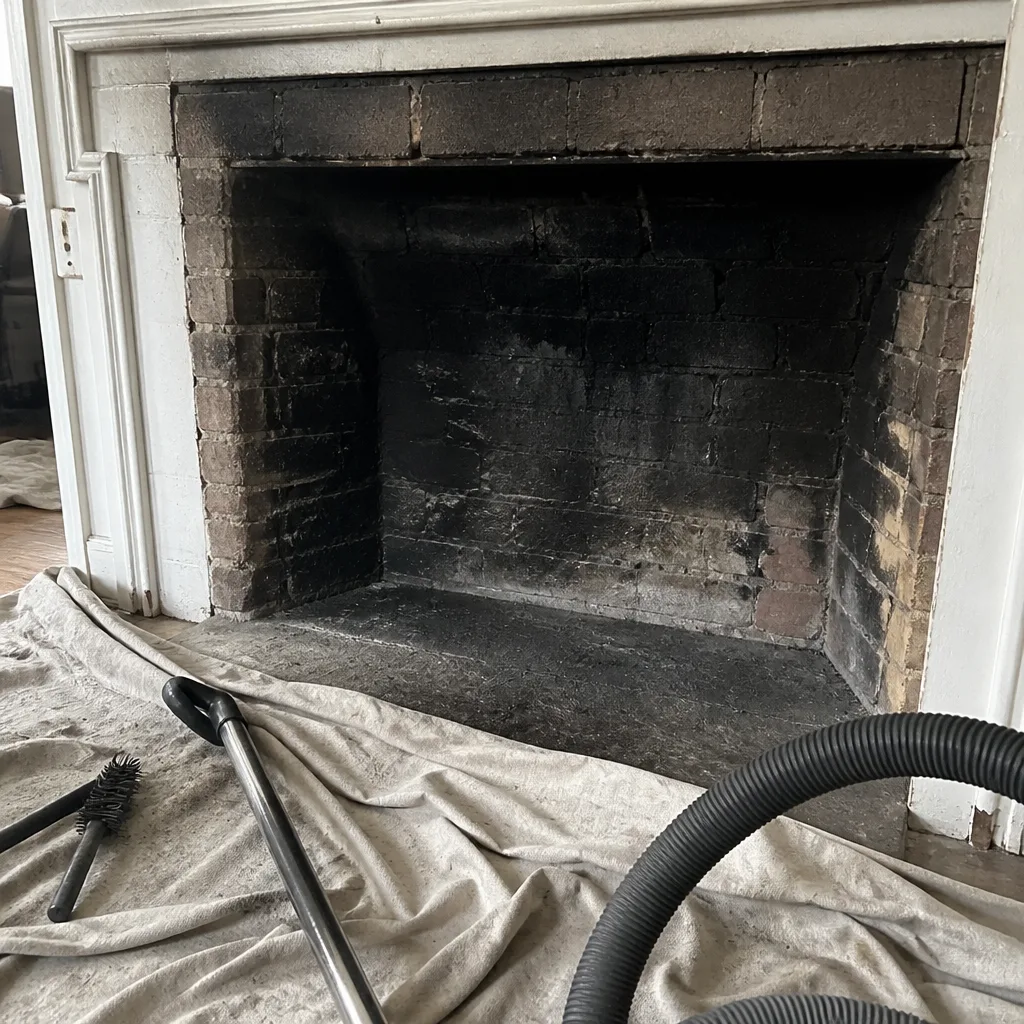
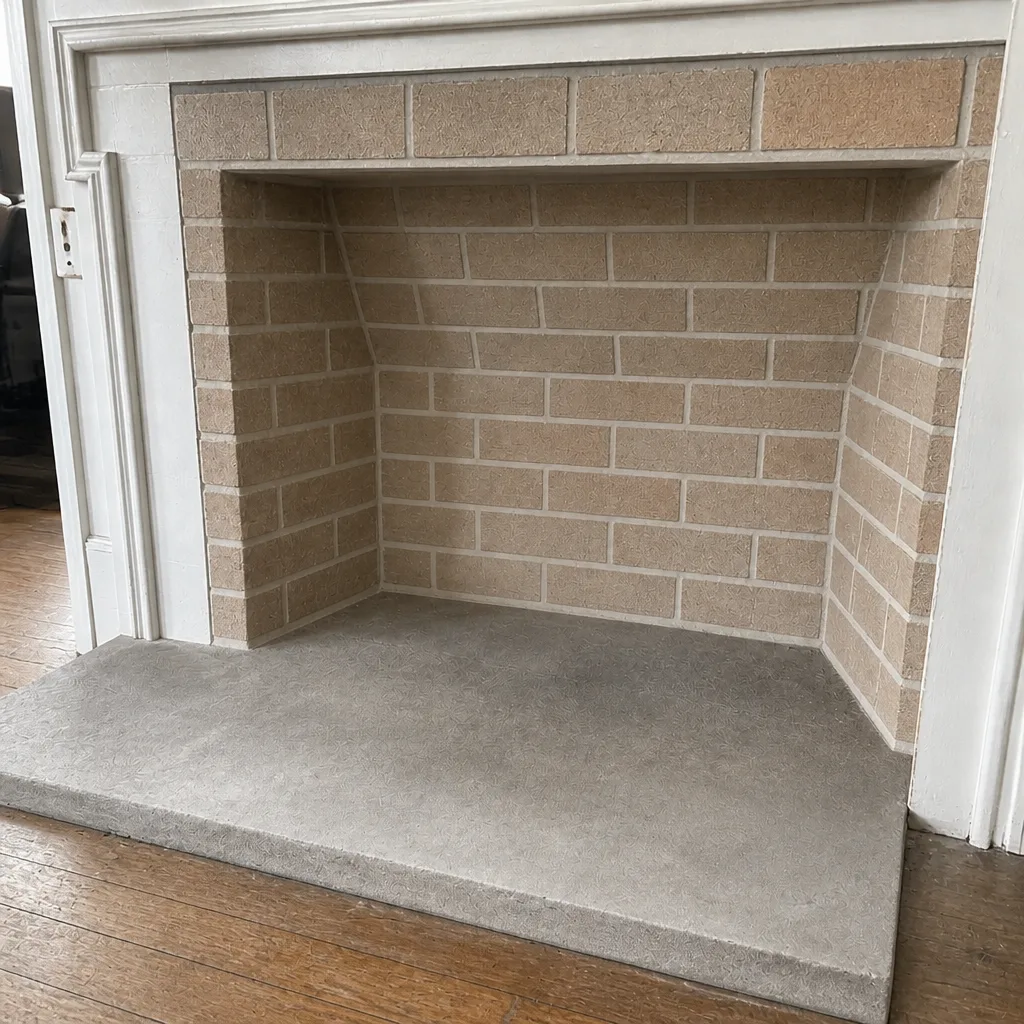
See the difference
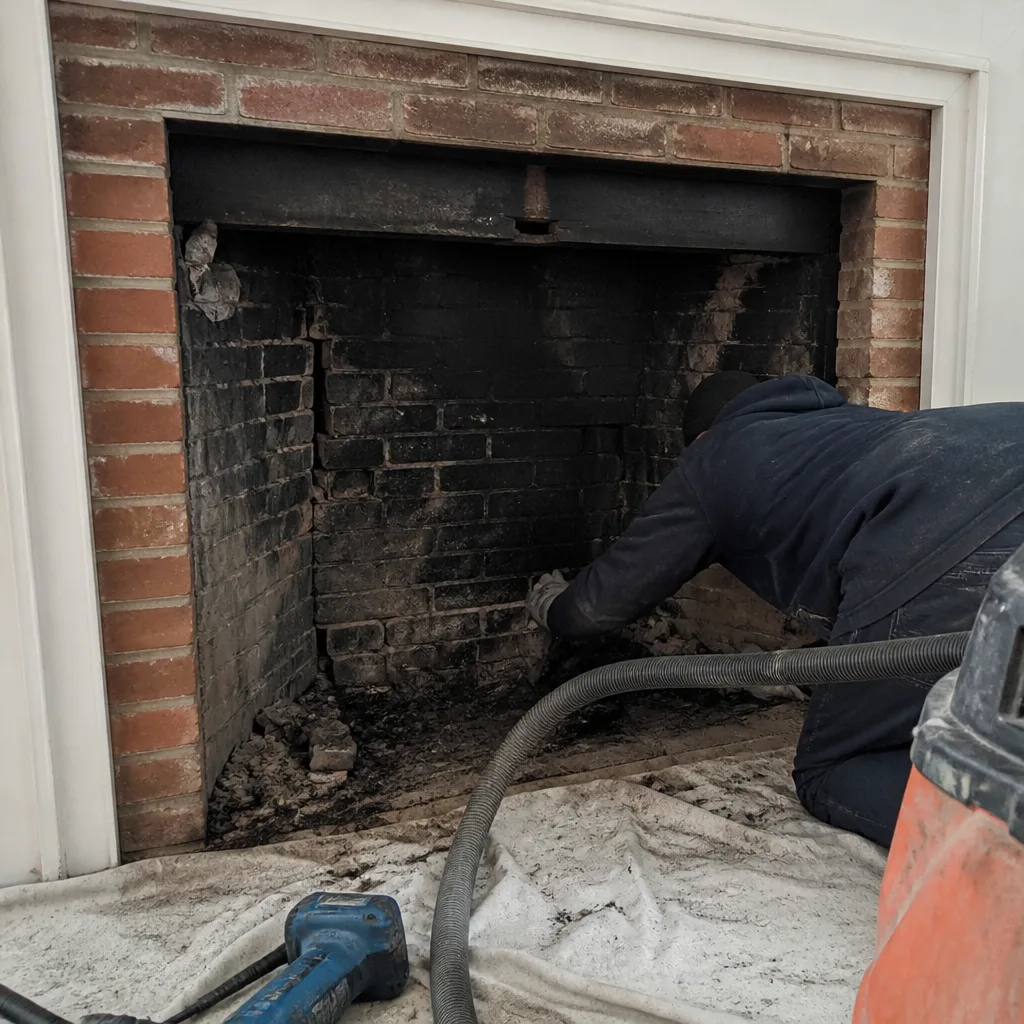 Before
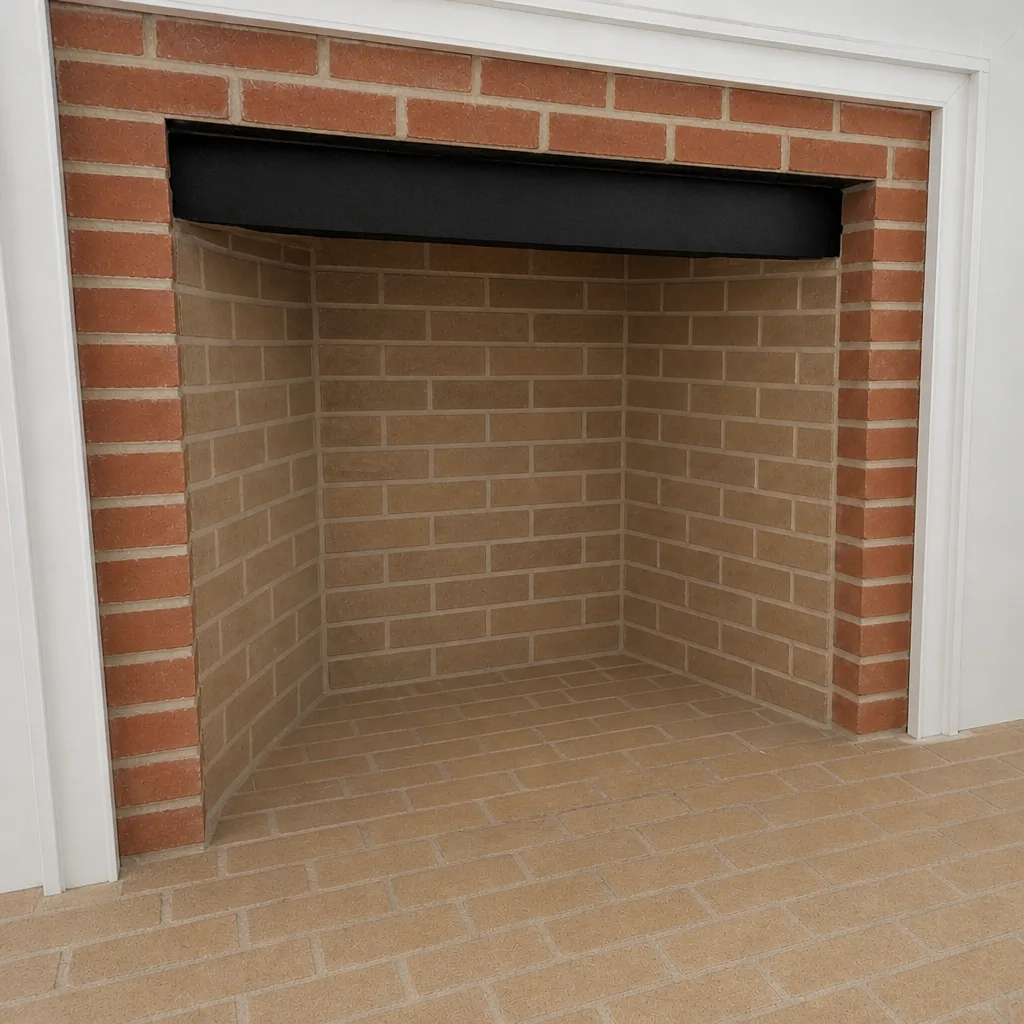 After
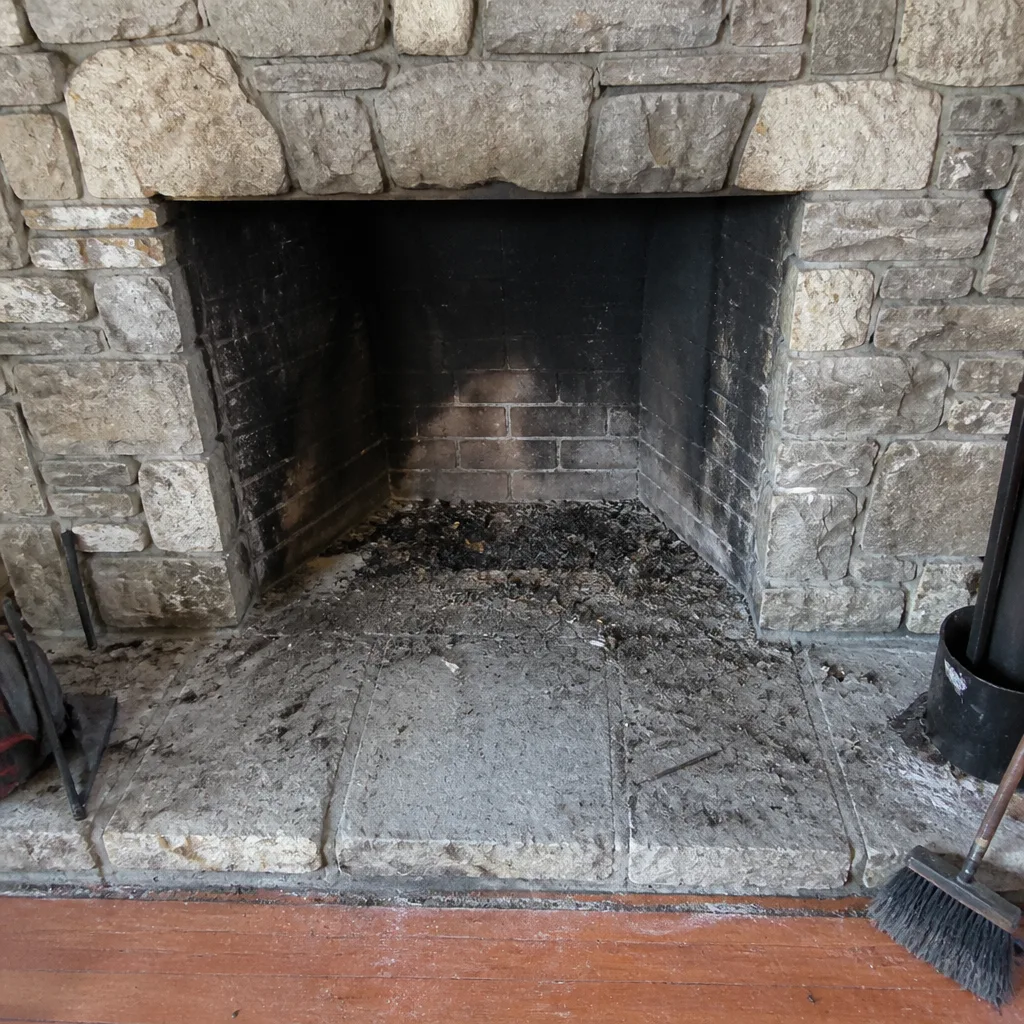 Before
 After
 Before
 After
Frequently Asked Questions
Close the damper, get everyone outside, and call 911 from outside the house. Do not try to fight the fire with water through the firebox; the steam flash can crack a hot flue. Closing the damper reduces the air feeding the fire, but it only helps if it happens early. After the fire department clears the building, do not reuse the chimney until it has been professionally inspected. Call (833) 315-2861 to book a post-fire inspection in Providence.
Normal combustion sounds like a soft hiss and the occasional pop from the wood. A chimney fire sounds like a low rumble or a distant train, often with loud crackling from the chimney itself rather than the firebox. Visible flames or sparks from the top of the chimney, thick dark smoke, or a hot-metal smell are definitive. When in doubt, call 911. A false alarm is a good outcome.
Older Providence housing often has single-wythe clay tile liners, which crack over time and can let combustion gases escape into the structure. Gas inserts and oil furnaces vented into those original flues without a properly matched liner raise the risk further. Add in wind-driven downdrafts on shared triple-decker rooflines and the CO risk compounds. CO detection on every level, plus a detector near the chimney chase, is the right baseline.
Yes. A small fire still produces enough heat to crack a clay tile or open a mortar joint, and those failures aren’t visible from the firebox. The inspection is what tells you whether the flue is safe for continued use. If it isn’t, options include HeatShield resurfacing for a compromised flue or a DuraFlex flexible liner for a full reline. Call (833) 315-2861 for an exact quote; estimates are free.
Inspection pricing depends on the scope (Level 1 visual, Level 2 camera, or Level 3 with access to concealed areas), and the written estimate you receive before booking is the final price. A proper inspection covers the full liner run, the crown, cap, firebox, damper and any appliance connections, with photos you can see for yourself. Nothing is recommended without evidence you can review. Call (833) 315-2861 for an exact quote.
Most standard policies cover sudden chimney fire damage, but the claim hinges on documentation: maintenance history, cause determination, and a professional post-fire inspection report. Claims get denied when there’s no maintenance record or when a prior inspection flagged an issue that went unrepaired. Photograph everything before cleanup and keep every inspection and sweep report. Call (833) 315-2861 if you need a post-fire inspection to support a claim.
Once a year for most homes, and more frequently if you burn heavily or notice glazed creosote building up faster than expected. Providence’s older housing stock adds reasons for an annual visit: cracked crowns, missing caps, and winter damage that’s invisible from the firebox. A sweep removes the fuel; the inspection that comes with it identifies the conditions that would let a future fire get out of hand. Call (833) 315-2861 to book a sweep.
The Bottom Line
Chimney emergencies aren’t mysterious. They follow patterns: creosote builds, a liner cracks, a damper fails, and a homeowner mistakes a rumble for a normal burn. The first 60 seconds of a chimney fire (close the damper, exit, call 911) save the structure when they’re executed in that order. The morning after matters just as much. Every fire, big or small, requires a professional inspection before the next burn. Prepare the documentation before you need it, place CO detectors where they actually cover your chimney chase, and book the annual sweep on the calendar now. The system that vents your fireplace is the same one that keeps your family safe from carbon monoxide. It deserves the specialist trade, not the afterthought.
Schedule Your Inspection in Providence
Whether you’ve just had a chimney fire, need a pre-purchase inspection, or want to get the annual sweep on the calendar before the season, Providence Chimney Cleaning is ready. We handle the sweep, inspection and any repair that comes out of it under one roof, with contractor-grade materials from professional-grade brands including HeatShield, DuraFlex and Gelco. Our technicians have up to 12 years of experience. Call (833) 315-2861 for a free estimate. We answer 24/7. Fast dispatch from 7am to 7pm, Sunday through Friday.
Written by the team at Providence Chimney Cleaning.