
Last updated November 16, 2026
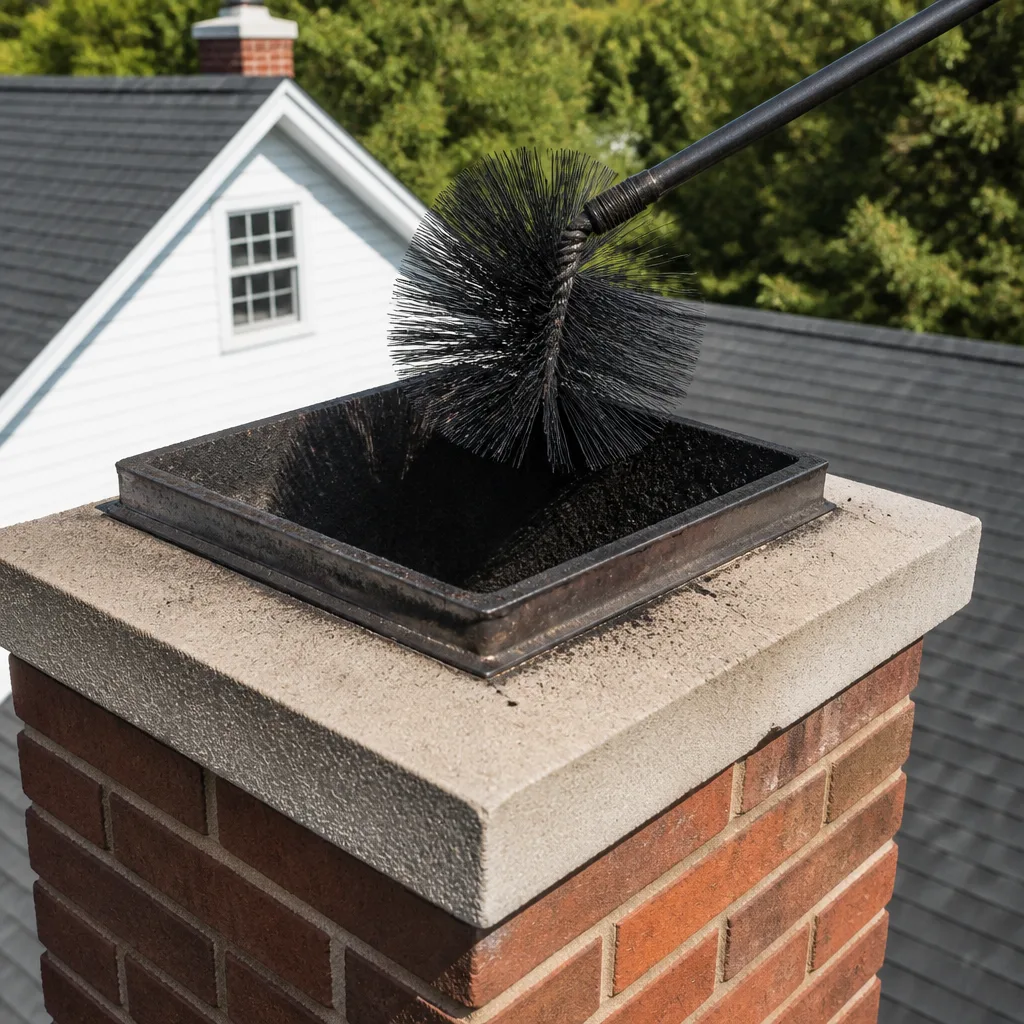 Sweep & inspection
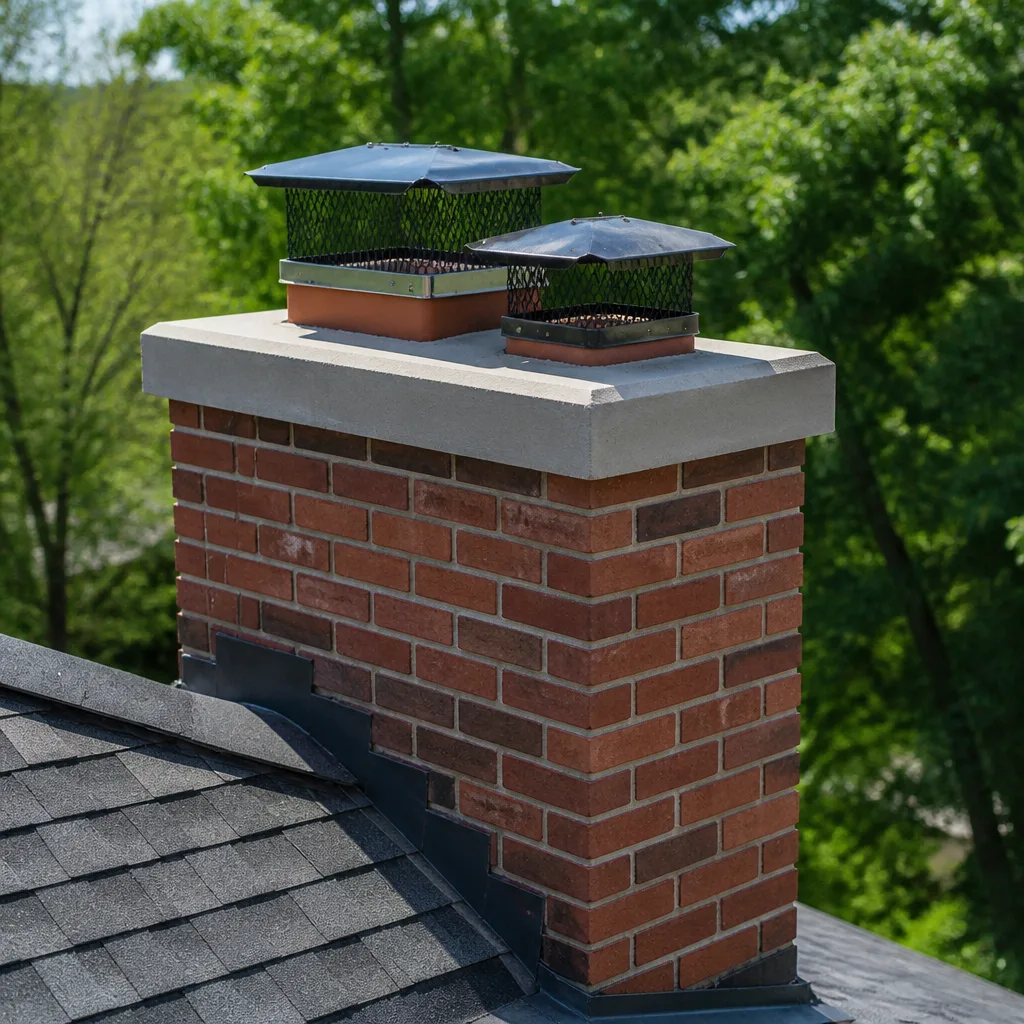 Caps & crowns
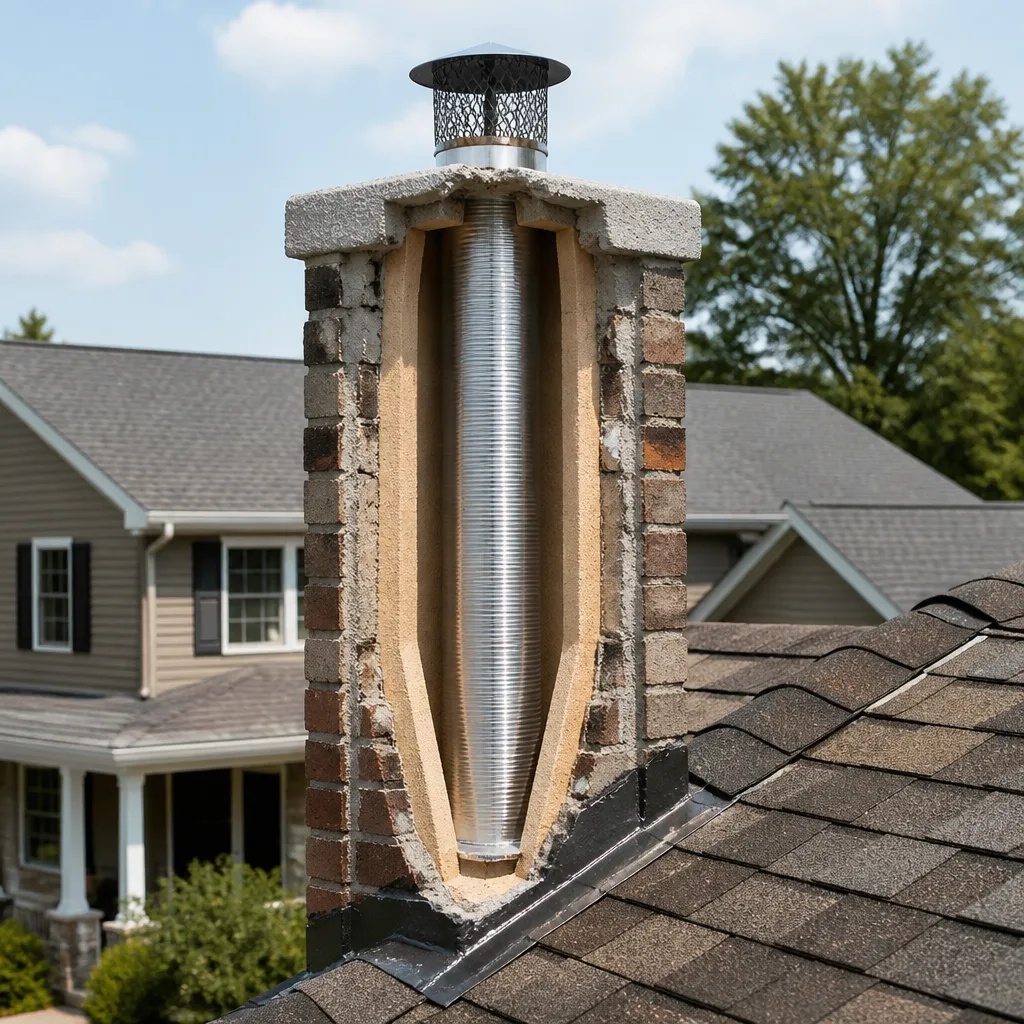 Flue relining
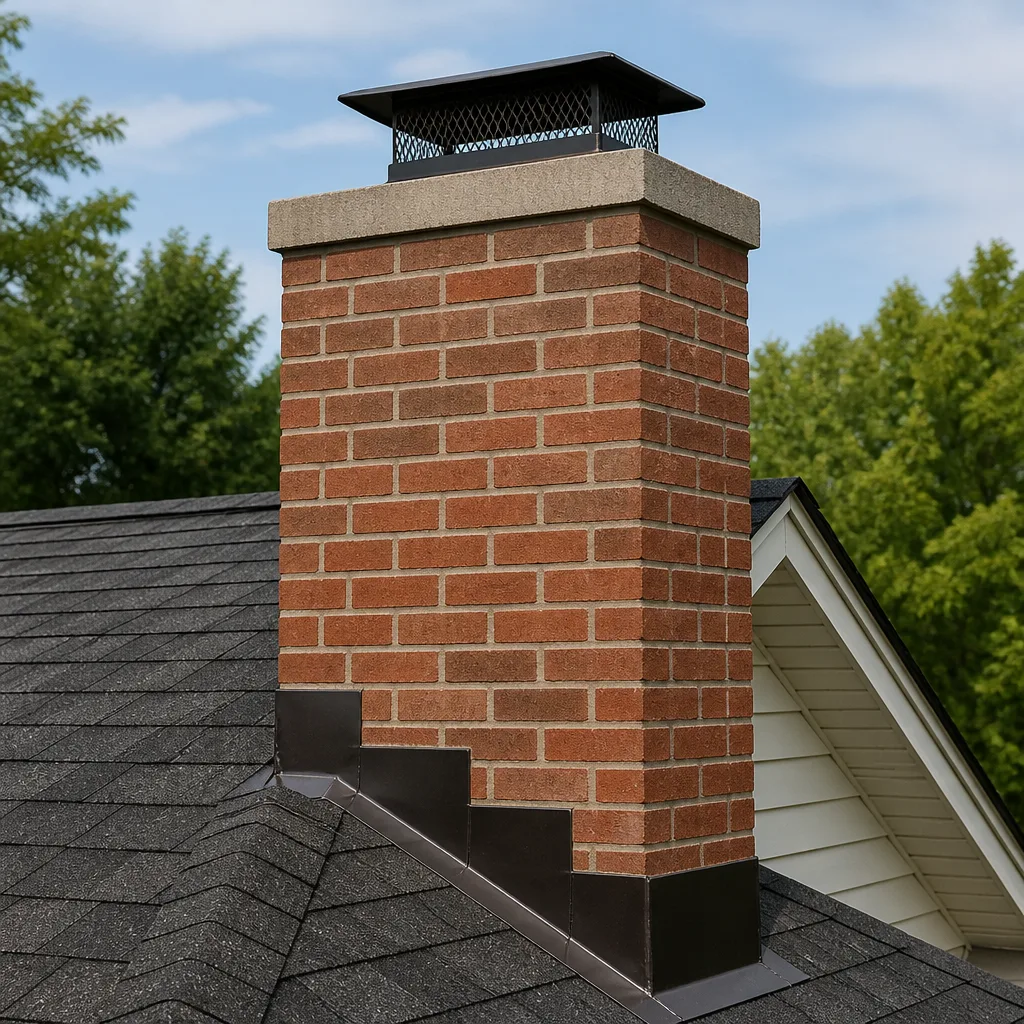 Masonry repair
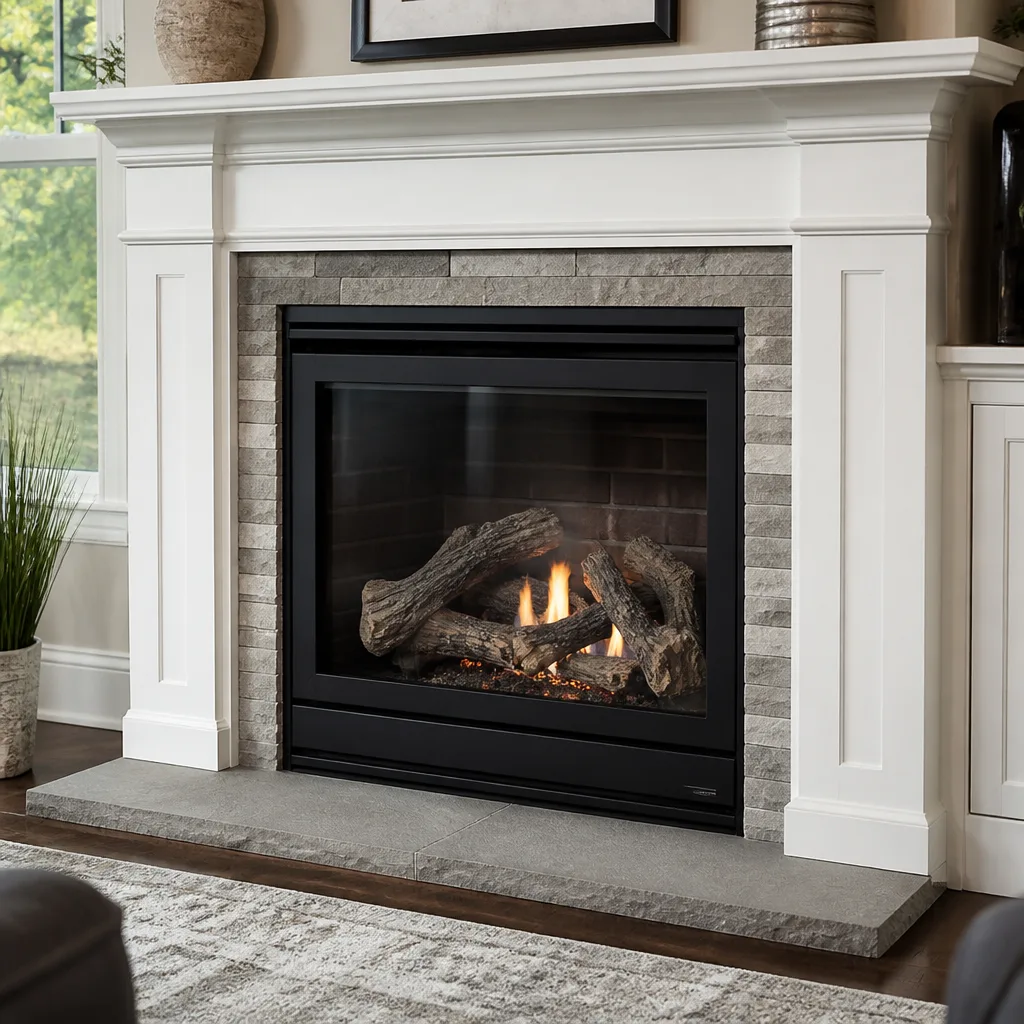 Gas fireplace service
Level 1 sweep and inspection to the NFPA 211 annual standard - flue, crown, cap, and flashing checked and photographed
Chimney sweep logs do not sweep chimneys. They loosen some creosote - which then falls where a brush and vacuum still have to collect it.
Chimney Cleaning Warning Signs: A Providence Homeowner’s Reference Guide
A strong smoke smell in an unused fireplace on a rainy day isn’t a cleaning problem. It’s a draft and sealing problem, and sweeping the flue won’t fix it. That single example captures what goes wrong in most chimney diagnoses: we tend to read warning signs by how they look rather than by what they mean. Homeowners in Providence call us to book a sweep for a symptom that has nothing to do with soot. Sometimes they’ve been told they need a full reline when all they really needed was a cap. This guide maps each warning sign to its likely cause, tells you which ones mean “schedule an inspection soon” and which mean “stop using the fireplace today,” and shows you how to trace a problem from the living room back to the venting system. By the end you’ll read your own chimney the way a specialist does.
Quick Answer
Chimney warning signs fall into three risk tiers. Tier 1 signs, like a cracked crown or rusted cap, mean schedule an inspection before the next burning season. Tier 2 signs, like white efflorescence on exterior brick or a smoky smell in an unused fireplace, mean book a professional evaluation within a few weeks. Tier 3 signs, like a ceiling stain near the chimney, black soot flakes on the hearth, or a carbon monoxide detector alarm, mean stop using the fireplace immediately and call for a specialist. Each sign points to a specific structural or venting cause, and matching the symptom to the cause is what determines the right service.
Styles & brands we work with
- Sweep & inspection
- Caps & crowns
- Flue relining
- Masonry repair
- Gas fireplace service
Table of Contents
- How Do You Read a Chimney Warning Sign? The Symptom-to-Cause Map
- Exterior Warning Signs You Can See From Street Level
- What the Staining Means: White, Brown, and Black Streaking
- Smell Profiles: Creosote, Animals, or Water?
- Interior Warning Signs and How to Trace Them
- Schedule Soon vs. Stop Using It: A Risk-Tier Breakdown
- What Providence Weather Does to Your Chimney
- Common Mistakes to Avoid
How Do You Read a Chimney Warning Sign? The Symptom-to-Cause Map
Every warning sign is a symptom, and every symptom has a cause. The trick is not to memorize a list but to understand what each sign is telling you structurally. Your chimney is a venting system first, a fireplace second. When something looks or smells wrong, the question is always which part of that venting system has lost its integrity.
Here’s the symptom-to-cause map we use in the field. It’s the fastest way to know which service, if any, you actually need:
- White chalky staining on exterior brick – efflorescence. Moisture is migrating through the masonry and evaporating, leaving mineral salts behind. Cause is usually water getting in through a failed crown, a cracked cap, or missing mortar.
- Brown staining or rust streaks – water infiltration with iron oxide. Cause is typically a rusting flue cap or a failed flashing connection where the chimney meets the roofline.
- Black streaking on the exterior – soot or creosote escaping. Often points to inadequate draft, a clogged flue, or a chimney that’s undersized for the appliance.
- Smoky smell in an unused fireplace – pressure or sealing failure. Air is being drawn down the flue and carrying odor with it, usually on damp or rainy days.
- A sharp acrid smell when you burn – creosote buildup. A warning to clean.
- A musky, ammonia-like smell – animal intrusion. Nesting debris or droppings in the flue.
- A damp, musty smell after rain – water infiltration.
- A sweet, rotten-egg smell – fuel odor. If you burn gas, stop and call. This is not a cleaning issue.
- Crumbling mortar, spalling brick, or a cracked crown visible from the street – structural wear in the masonry.
- Ceiling stains near the chimney in Providence – water tracking down the chimney exterior or failed flashing.
What this map does is stop you from misdiagnosing. If you book a chimney sweep for a smoky smell that’s actually caused by water infiltration, you clean soot off a flue that was never the problem, and the smell comes back on the next rainy day. That’s the repeat service call trap. If you’re unsure where your symptom falls, give us a call and describe it – we can usually tell you whether it’s a sweep-level concern, a repair-level concern, or an inspection-level concern before anyone sets a ladder against your house.
Exterior Warning Signs You Can See From Street Level
You don’t need a ladder to spot most structural chimney failures. Stand across the street, look at the top of your chimney, and check for these signs. They’re the ones a Providence homeowner can evaluate in about thirty seconds without climbing anything.
What to look at, and what each sign implies:
- The crown – the concrete cap on top of the masonry. A hairline crack or a chunk missing from the edge lets water fall between the flue tile and the brick. That water is what triggers most of the deeper masonry damage you’ll hear about later. A badly cracked crown is a “schedule an inspection soon” sign, not an emergency.
- The brickwork – look for spalling, where the face of a brick is flaking or peeling away. In Providence, the freeze-thaw cycle weighs heaviest on south- and west-facing chimney walls, so check those first. Spalling brick usually means moisture has been getting behind the surface for a while.
- The mortar joints – look for recessed voids, the mortar crumbling inward between bricks. Deep voids weaken the chimney’s structural integrity, especially in taller chimneys.
- The cap – the metal or masonry covering over the flue. A rusted-through cap lets water into the flue, which damages the interior masonry and, if you have a metal liner, can rust the liner itself from the inside out.
- The flashing – the metal seal where the chimney meets the roofline. Failed flashing is one of the most common sources of roof leaks around a chimney.
- The lean – a chimney that leans away from the house is structural and warrants a professional look.
Of these, spalling brick and deep mortar voids are the two exterior signs that most often indicate a repair issue rather than a cleaning issue. We specify the right product for your flue and masonry rather than whatever’s on the shelf at a home center, because a generalist patch on a Providence chimney will fail through the next winter. If you see any of these signs, get an evaluation before you book a cleaning. A chimney repair specialist can tell you whether the damage is cosmetic or whether the flue itself has been compromised.
What the Staining Means: White, Brown, and Black Streaking
Not all staining is the same problem, and this is where homeowners most often guess wrong. Three visually similar stains point to three completely different failure modes and require three different services. Reading them correctly saves you from paying for work you don’t need.
White staining – efflorescence. This is a white, chalky, powdery bloom on the outside face of the brick. It’s mineral salt drawn from inside the masonry and deposited on the surface as water evaporates. The white powder itself is harmless to the brick, but what it tells you matters: moisture is moving through the masonry. That moisture almost always enters from a failed crown, missing cap, or cracked mortar. Chasing the stain with a stiff brush is treating the symptom; the fix is stopping the water where it’s getting in.
Brown staining or rust streaks. Brown staining usually combines water infiltration with iron oxide from a rusting component in the chimney assembly. The two most common culprits are a rusting flue cap and a rusting liner component in a system that was installed without an adequate cap. This staining appears most often under the cap line and around the flashing. If your liner is a DuraFlex flexible liner system, a failed cap is a real concern because water entering through the top of the flue can degrade the liner interior. Correcting the cap and checking the liner is the right response.
Black streaking. Black streaks on the exterior face usually mean soot or creosote is escaping through gaps, or that smoke is venting out of the chimney top and settling on the outer face with the prevailing wind. In many Providence homes near the downtown hills, prevailing wind patterns make one side of the chimney blacker than the others. Black streaking is a draft or flue issue, not a structural issue – but it’s a sign worth evaluating because it usually means the flue wasn’t designed or isn’t performing the way it should.
Each of these is a different request. White staining points to water management. Brown staining points to a specific component failure. Black streaking points to drafting. On top of all three, a metal cap and a properly fitted flue cover from a line like Olympia Chimney go a long way toward preventing the problem in the first place. When you book an inspection, describe the stain color and location – it helps narrow the diagnosis before we arrive.
Smell Profiles: Creosote, Animals, or Water?
Smell is the most misread warning sign in chimney care because all three common odors get lumped together as “my chimney smells.” But each one has a distinct cause, and the distinct cause determines which service you actually need. The distinctions are worth learning.
- Acrid, sharp, smoky smell in a fireplace you burn regularly – creosote. Creosote is the condensed byproduct of burning wood, and the more of it you have in the flue, the stronger the smell. A sweep clears it. The smell is often strongest when you first use the fireplace after a stretch of disuse, or in the mornings before the draft establishes.
- Damp, musty smell after rain – water infiltration. The cause is usually a cap, crown, or flashing. A sweep does nothing here, because the problem isn’t soot. Check for water-affected masonry at the same time as you check for light-colored staining.
- Musky, ammonia-tinged, or distinctly animal smell – birds or squirrels nesting in the flue. The noise of scratching is often the giveaway too. An animal intrusion means you need an inspection to remove the nest and check the flue before you safely burn again.
- Rotting, decaying smell – could be debris or a decomposing animal. Don’t burn until it’s inspected.
- Sweet, chemical, or rotten-egg smell on a gas system – fuel leak. Treat this as a hazard. Stop using the appliance, ventilate the area if safe to do so, and call for a specialist.
- Smoky smell washing down from the firebox on a damp, windy, or rainy day – pressure differential or a poor seal at the firebox. This is the case that a sweep fails to fix, because the fix involves sealing the firebox or correcting the draft. This is where we tell homeowners a sweep won’t solve their problem.
- Sudden heavy smoke smell inside the home while burning – a partially or fully blocked flue. Stop burning.
The reason this matters: request the wrong service and the smell, by definition, comes back. If the smell is in your firebox on a rainy day in Providence, ask for an inspection first, not a sweep. The right scope of work for a musty odor is different from the scope for a smoky one. Diagnosing the smell profile before you book is the single highest-value thing you can do.
Interior Warning Signs and How to Trace Them
Some warning signs appear inside the home – a stain, a smell, smoke that won’t go up the chimney. These are easy to notice and hard to trace. Here’s how to work backward from what you see indoors to the part of the chimney system that’s usually responsible.
Ceiling stains near the chimney. A brown or yellow halo on a ceiling near the chimney top usually traces to failed flashing at the roof line, or to water entering at the chimney top and tracking down the outside face of the flue. These stains are often worse after heavy rain and dried out by the next week, which is what tells you it’s water and not soot. If the stain is directly under the chimney, suspect the crown and cap before anything else.
Smoke in the room while burning. This one has a sequence of likely causes. First, check the chimney cap – a partially blocked cap is the most common cause and the easiest to rule out. Second, look at the draft – if the home is tight-sealed or a modern ventilation system is running, it can pull air down the flue. Third, check whether the flue is actually clear – soot buildup, a bird nest, or a collapsed liner will all cause smoke to back up. In Providence homes that have been updated with newer windows and doors, we see the tight-house draft issue fairly regularly, and the fix is not a sweep.
Soot flakes falling onto the hearth. This is usually a sign of creosote buildup or an animal nest in the flue. Don’t burn until it’s checked – flakes falling into the firebox mean the flue is compromised or blocked above it.
A dark stain or soot on the wall above the firebox. This is often a sign that warm air or smoke is escaping through a compromised firebox seam. It means the firebox sealing needs a look, and it’s an inspection concern rather than a sweep concern.
The carbon monoxide detector going off or reading elevated. Stop using any wood or gas appliance connected to that chimney. This is the highest-priority warning sign in this guide, and it deserves a call to a specialist and, if needed, your gas utility immediately. A chimney that’s venting improperly can push carbon monoxide back into the living space, and no amount of sweeping fixes that on its own – it requires a full inspection to find the venting failure.
Many of these interior warning signs are easiest to diagnose with a camera. That’s why our inspection service includes camera inspection and a photo report; we can show you exactly what’s happening inside the flue and where the damage is, rather than asking you to take our word for a repair.
Schedule Soon vs. Stop Using It: A Risk-Tier Breakdown
This is the section to bookmark. Homeowners ask us some version of “do I need to stop using my fireplace right now?” more than any other question, and the answer depends on the specific sign. Here are the three tiers, with clear criteria for each.
Tier 1: Schedule an inspection soon. These are warning signs that indicate a developing problem, but don’t represent an active hazard at the moment.
- White efflorescence on exterior brick
- A visibly cracked crown
- A rusted cap
- Black soot streaking on the exterior
- Spalling brick on the chimney face
- A smoky smell in the fireplace you burn regularly, without other warning signs
- Interior dust or soot deposits appearing after a period of not burning
Schedule a professional evaluation within the next few weeks. None of these mean you must stop using the fireplace immediately, but they’re all telling you a problem is developing that will get worse if ignored.
Tier 2: Stop burning until it’s inspected. These are warning signs that indicate a potential venting compromise, and they mean don’t burn until a specialist has looked at it.
- Smoke backing into the room while burning
- Soot flakes falling onto the hearth
- A dark soot stain above the firebox
- An animal nest confirmed in the flue
- A strong smoky smell inside the home while burning
- Visible masonry cracks at the firebox or on the smoke chamber
- A musty smell that appears on rainy days in an unused fireplace
These signs are more serious than Tier 1 because they suggest active pathway failure between the fire and the flue, or active water intrusion that could be affecting the firebox integrity right now.
Tier 3: Stop immediately and call for a specialist today. These are emergency-level signs.
- Carbon monoxide detector activation or a reading above the alarm threshold
- Heavy, thick smoke in the room that doesn’t clear
- A strong gas smell with a gas appliance
- Visible fire damage at the firebox or open flame outside the firebox
- A structural collapse in the chimney, cracked clay tile migration, or a chimney that’s leaning noticeably
The distinction matters because it’s easy to treat every warning sign as urgent (and pay for unnecessary emergency work) or to treat nothing as urgent (and take real risks). Match your sign to the tier, and act accordingly.
What Providence Weather Does to Your Chimney
Providence has four-season weather that stresses a chimney in ways that warmer climates don’t. The specific hazards are worth understanding because they change which warning signs to watch for and when.
Freeze-thaw is the main enemy of masonry. Providence swings across the freezing line repeatedly from late fall through early spring. Water enters a mortar joint or a hairline crack, freezes, expands, and works the masonry apart. A hairline crack in the crown in November can be a spalling brick by March. That’s why exterior warnings – cracked crowns, spalling brick, deep mortar voids – appear more often after a hard winter and should be checked every spring.
Wind-driven rain finds its way in. The prevailing wind patterns near the Providence hills push rain against the chimney’s exterior face. Homes on the east side and around the downtown slopes often see more water staining on the chimney than homes sheltered on other parts of the block. If your stain appears on one face of the masonry and not another, weather-driven moisture is the likely cause.
Heating season is long. Providence winters are cold enough that many homes use their fireplace as a real heat source for a larger part of the year than homeowners expect. That means more creosote accumulation than a milder climate would produce – which is why we see acrid, sharp smells come back faster for homes that burn regularly through the winter.
Humid summers matter too. Rhode Island summers are humid, and an unused chimney in July is an environment where water infiltration, mildew, and animal intrusion all happen. A chimney that was fine in April can develop a musty smell by August, and an animal nest established in the summer can become a real problem by the time the first cool nights arrive.
The takeaway: check your chimney exterior every spring and get an annual inspection in the fall before the heating season starts. In a Providence climate, that cadence catches developing problems when they’re still cheap to fix.
How Do You Check Your Own Chimney Between Professional Inspections?
An annual inspection is the cornerstone of chimney safety, but you can check several things yourself between scheduled visits. Here is a numbered walk-through you can do in fifteen minutes without touching anything dangerous.
- Walk outside and look at the chimney top from street level. Check for white or brown staining, cracked masonry, missing cap, or rust streaks. Track any changes from one month to the next.
- Open the firebox and look up. Use a flashlight. You should see a clear path to the chimney top. Any obvious buildup, soot flakes, or daylight at the top that isn’t round means something’s wrong.
- Check the damper. Does it open smoothly and close snugly? A damper that doesn’t fully seat is a draft issue.
- Look for staining on the ceiling and walls near the chimney inside the home. A faint halo after rain is a warning sign.
- Look at the fireplace surround and the hearth for soot stains, flaking paint, or dark marks. Any of these suggests smoke escape is happening.
- Sniff the firebox. A smoky, acrid smell means creosote. A musty smell means water or animals. A sharp, sweet smell on a gas system means stop and call.
- Test your carbon monoxide detectors. Check that they’re functional and that the batteries are good, especially before heating season.
- Check the firebox masonry itself. Tap the firebrick gently and look for crumbling or gaps in the joints.
This is for observation only, not repair. Do not climb on the roof or get on a ladder to inspect the chimney yourself, especially in the winter – falls from roof-level work are the most common chimney-related homeowner injury. And do not attempt to clean your own flue; a professional sweep uses professional-grade brushes sized to your flue and leaves the soot in a sealed system.
Common Mistakes to Avoid
- Booking a sweep for a problem that isn’t a cleaning problem. The smoky smell, the musty smell, and the smoky rainy-day smell all have different causes, and sweeping only the flue will fix only one of them. Diagnose first, then book.
- Treating white efflorescence as a cosmetic issue. The white stain itself is harmless, but the moisture causing it isn’t. Leaving it means the underlying water problem keeps deteriorating the masonry through the Providence winters.
- Assuming a rusty cap is a small issue. A rusted cap lets water into the flue and, over time, damages the liner and the firebox masonry. It’s cheap to replace and expensive to defer.
- Burning after an animal nest appears. A nest blocks the flue at best and catches fire at worst. Have it inspected before the next fire.
- Treating an annual inspection as optional. A clean chimney is a code-compliant chimney, and annual inspection aligns with how NFPA 211 views venting-system maintenance. The cost of the inspection is far less than the cost of a structural repair.
- Climbing on the roof yourself to check the crown. Roof work is a fall hazard, and a chimney crown that’s cracked is more likely to have a loose cap sitting on top of it than a homeowner expects. Get a camera inspection and a photo report instead.
- Assuming the outside signs are the whole story. The most dangerous venting failures don’t show on the exterior at all. The interior signs – CO detector alarms, smoke backing into the room, soot flakes – are the ones that point to a failure that can’t be seen from the street.
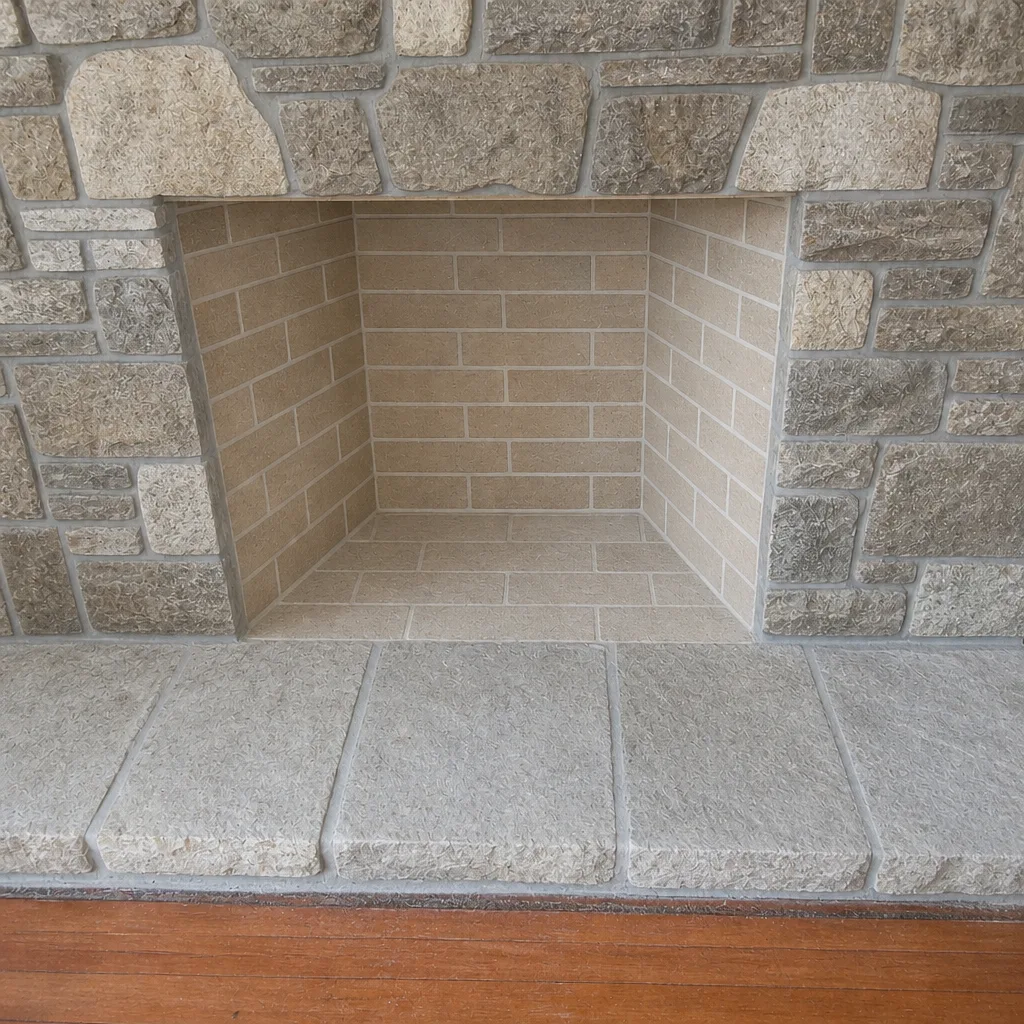
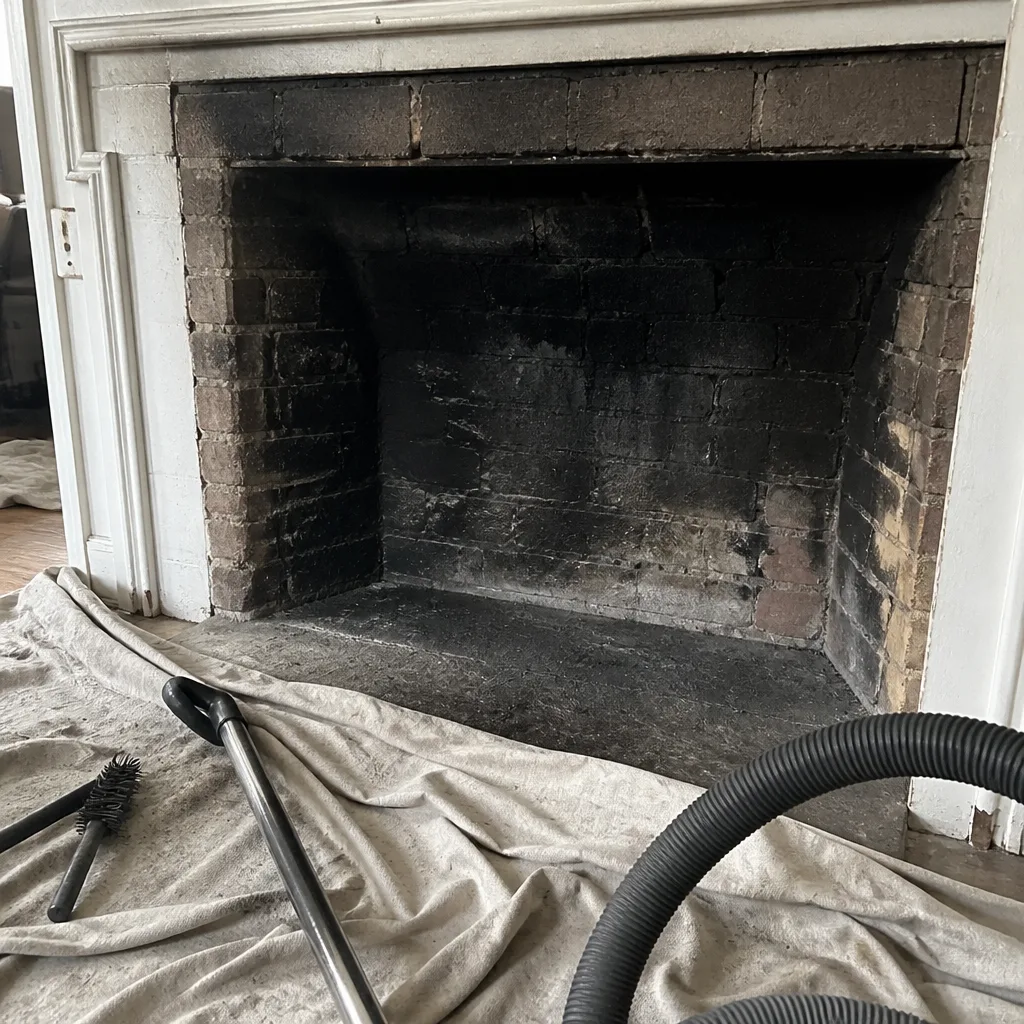
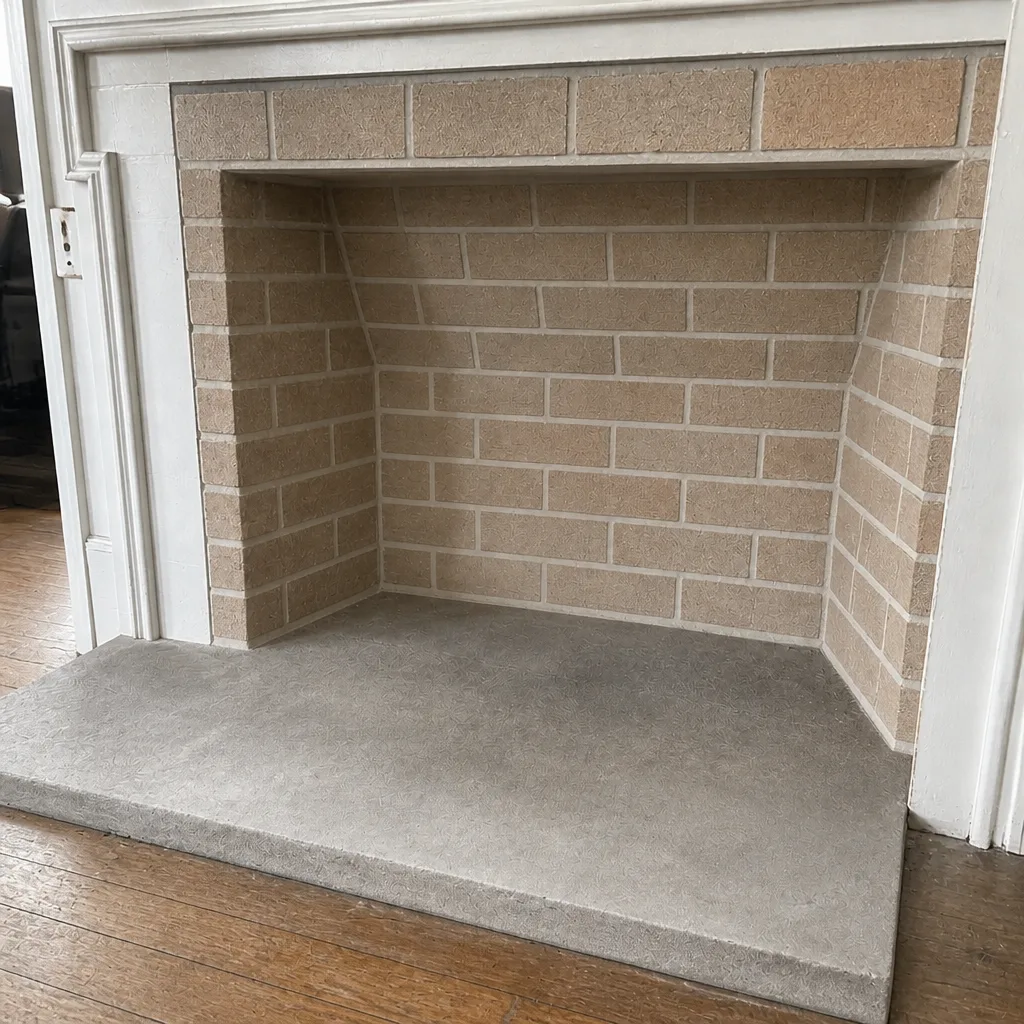
See the difference
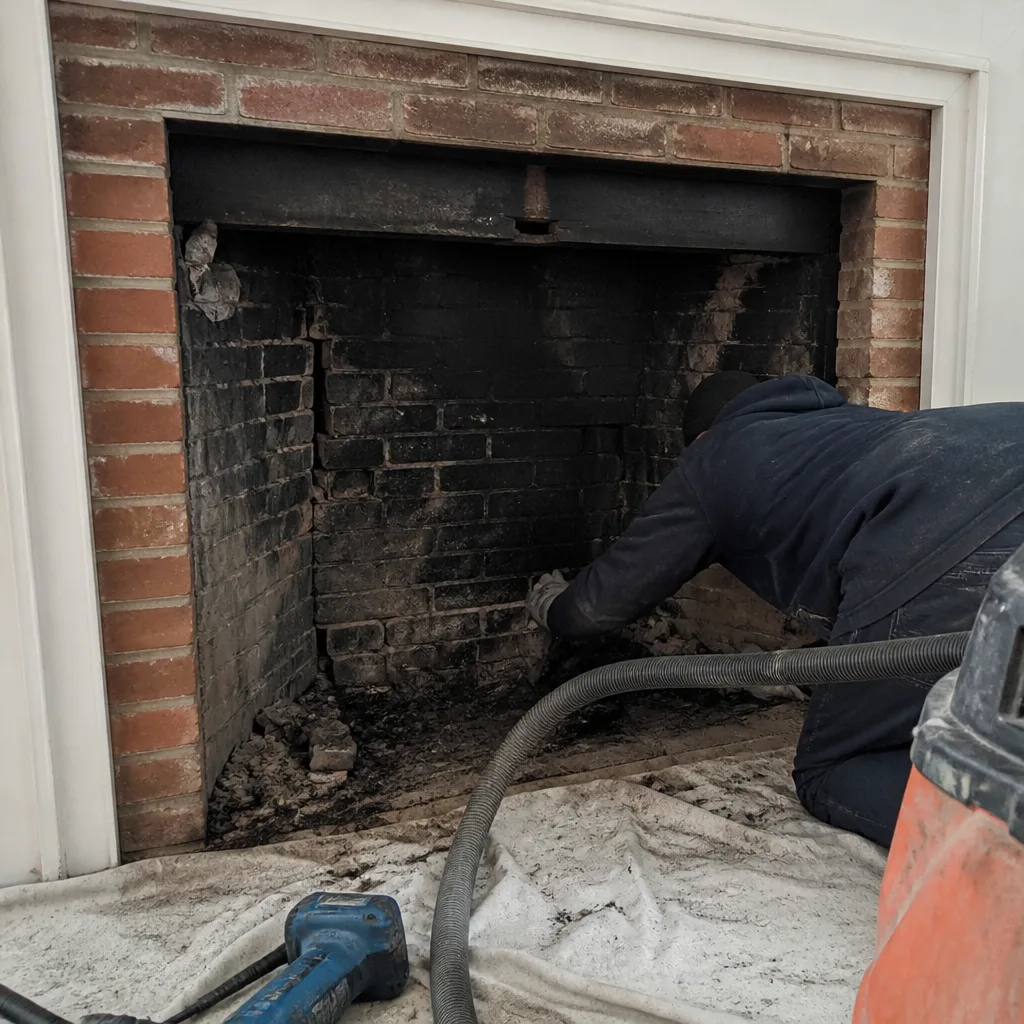 Before
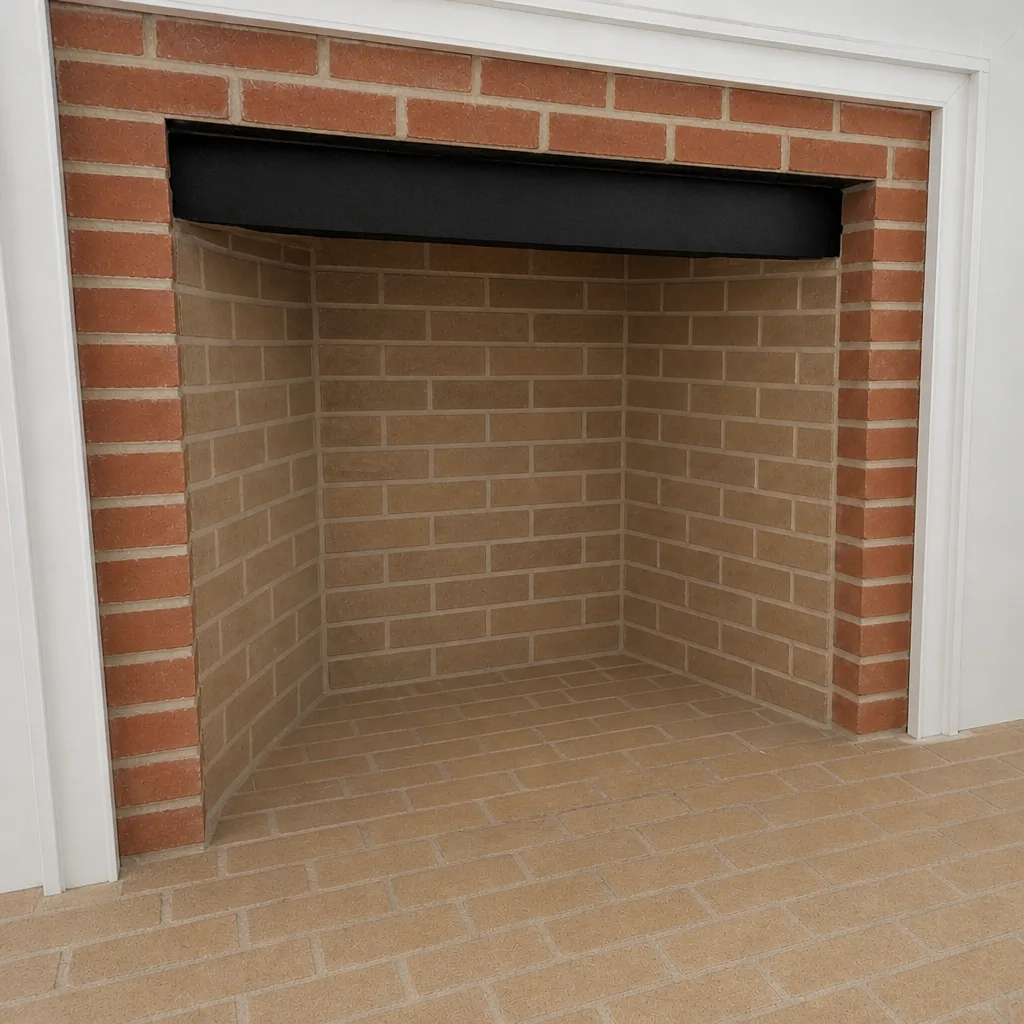 After
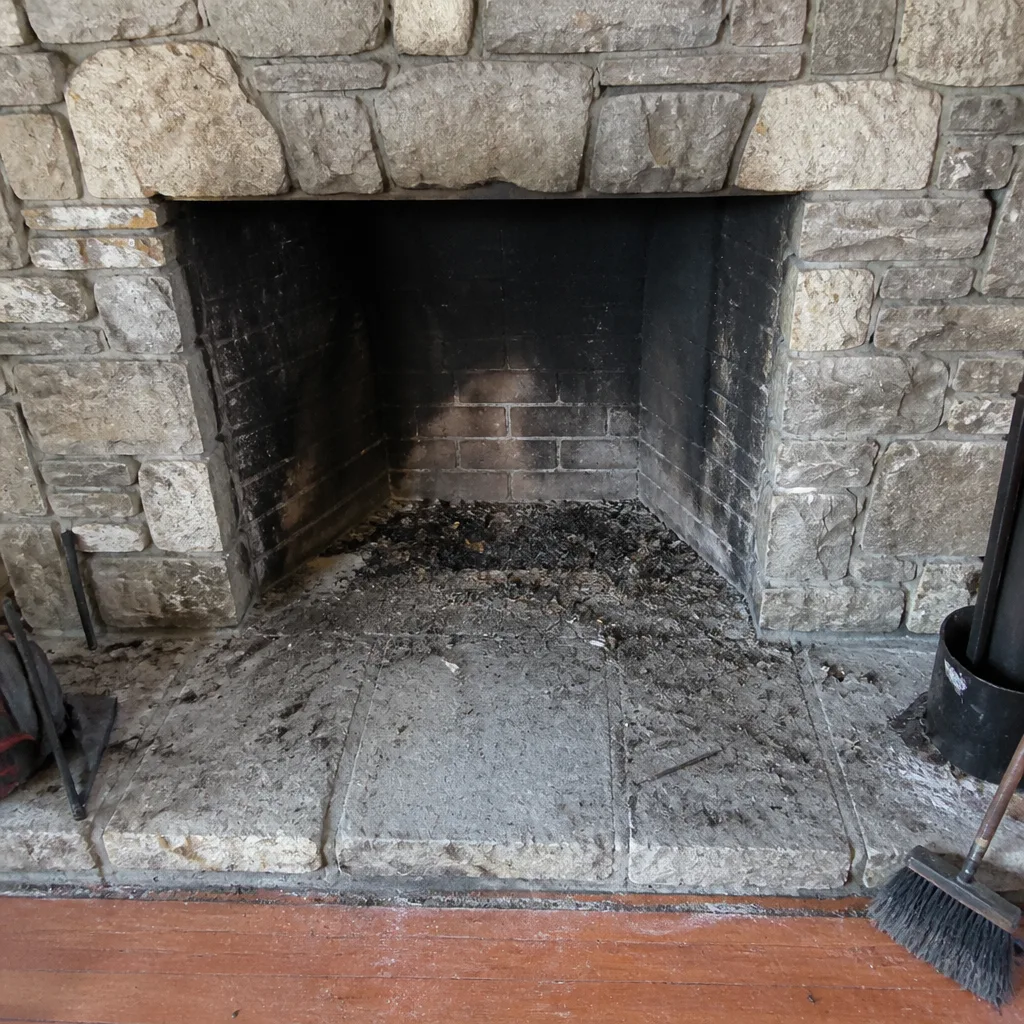 Before
 After
 Before
 After
When to Call a Professional
Call for a professional evaluation if you see any Tier 2 or Tier 3 sign in this guide, or if you see multiple Tier 1 signs appearing at the same time. If you have an animal nest, a rusting cap, or a smoky smell coming down from the firebox on a rainy day, those are all cases where a sweep alone won’t do the job. If you’ve never had your chimney inspected and you burn regularly through a Providence winter, a full inspection is the right first step. If you’re unsure whether your sign is a sweep-level, repair-level, or inspection-level concern, describe it to us on the phone and we can usually tell you what to expect before anyone comes out. Providence Chimney Cleaning offers free estimates in Providence – call (833) 315-2861. We answer 24/7. Fast dispatch from 7am to 7pm.
Frequently Asked Questions
Get an annual inspection, ideally before the heating season begins. The inspection gives you a baseline and catches developing problems before they become expensive repairs. Homes that burn a lot through the winter, especially with a creosote-heavy wood like softwoods, benefit most from an annual baseline, and a smoky smell returning between inspections is a sign it’s due.
White staining, called efflorescence, is mineral deposit left behind by moisture migrating through the masonry; it points to water getting in from a crown, cap, or mortar joint. Brown staining typically means a rusting component, most often a flue cap or a rusting liner component, combined with water infiltration. Both require different fixes but neither is cosmetic – both point to moisture entering your system.
Usually not. A smoky smell in an unused fireplace on a rainy day is typically a draft and sealing problem, not a soot problem. Water and pressure differentials can pull chimney odor down the flue, and sweeping the flue won’t fix it. We can evaluate the draft and seal at the firebox, and we can also check for water infiltration at the top of the chimney.
It depends which sign. A cracked crown or a white stain is a Tier 1 sign – schedule an inspection, but you don’t need to stop burning immediately. Smoke backing into the room, soot flakes, or a CO detector activation are Tier 2 or 3 and mean don’t burn until a specialist has looked at it. If you’re unsure, stop and call.
A typical inspection takes about 45 minutes to an hour, depending on whether the chimney is cleanable in place or needs a camera to reach the upper flue. Our inspection includes camera inspection and a photo report so you see exactly what we see. It’s scheduled as a standalone professional service, not as a sales push for a repair.
Yes. One company handles the sweep, the inspection, and the repair, which means you don’t coordinate between contractors when your chimney needs both. If the inspection reveals that your flue needs relining, we work with professional-grade systems including DuraFlex and HeatShield applied to restore a flue without a full rebuild. You’ll get a written estimate that sets the final price before any work starts. Call (833) 315-2861 for an exact quote – estimates are free.
The Bottom Line
Warning signs are only useful if you read them correctly. White staining, brown staining, and black streaking look similar on the surface but point to three separate problems – water migration, component failure, and drafting issues – that need three different services. Interior signs like ceiling stains, smoke odor, and CO detector alarms trace back to venting-system failures that a sweep alone won’t fix. And exterior structural signs like cracked crowns, spalling brick, and mortar voids are best read from the street every spring in Providence and acted on before the next winter. Match your warning sign to a risk tier, act at the right urgency, and request the right service. If you’re not sure which tier you’re in, describing the sign over the phone usually resolves it in a minute. We offer free estimates in Providence and work with professional-grade materials – Olympia Chimney, Famco, Copperfield, DuraFlex, and more – because a warning sign you’ve acted on is a warning sign that isn’t a hazard waiting for next winter. Call (833) 315-2861. We answer 24/7. Fast dispatch from 7am to 7pm, Sunday through Friday.
Written by the team at Providence Chimney Cleaning.