
Last updated November 16, 2026
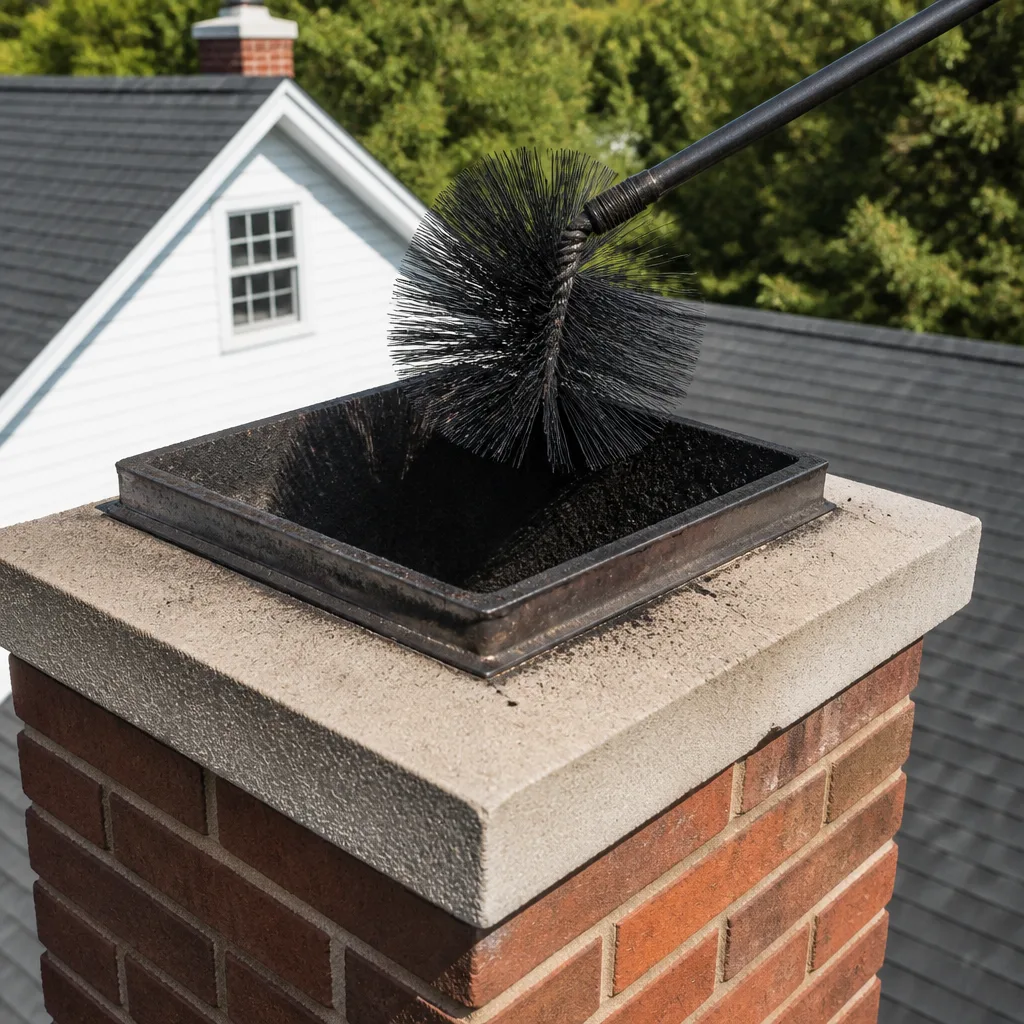 Sweep & inspection
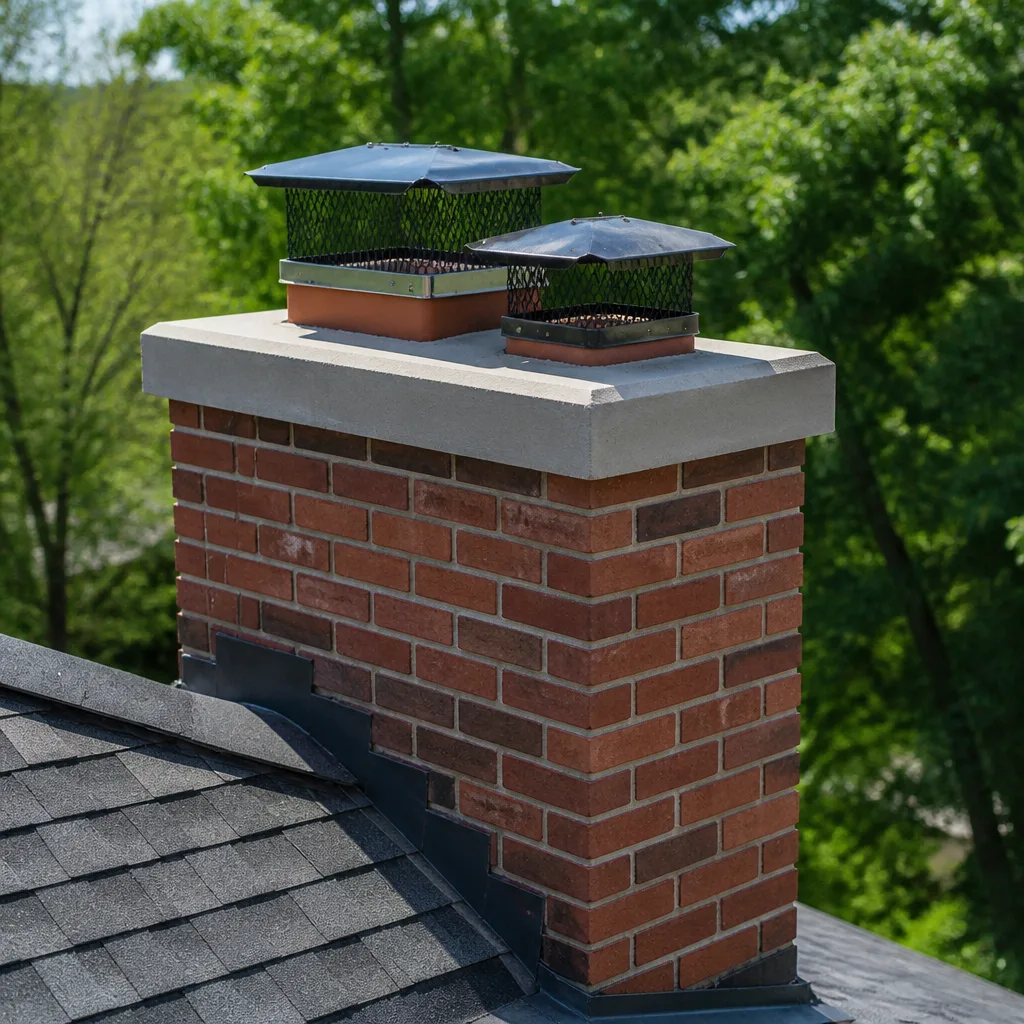 Caps & crowns
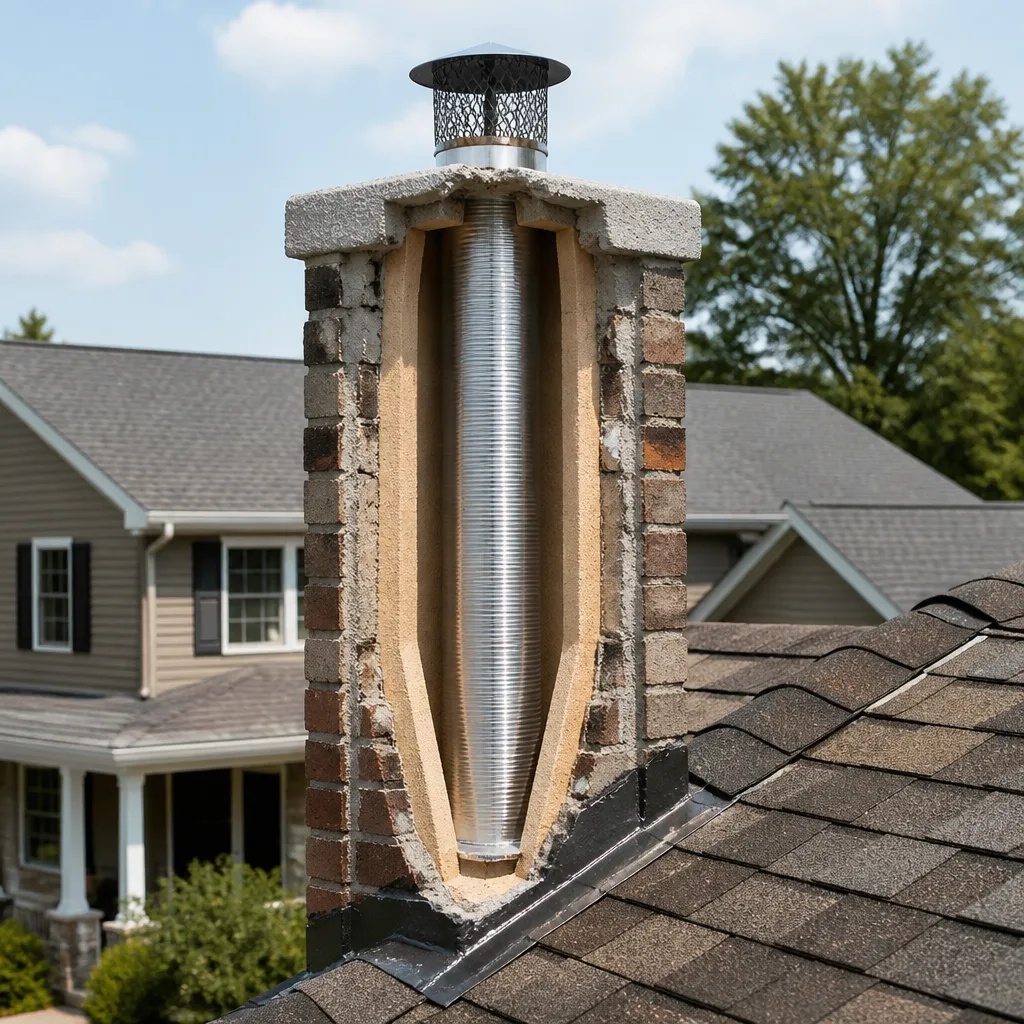 Flue relining
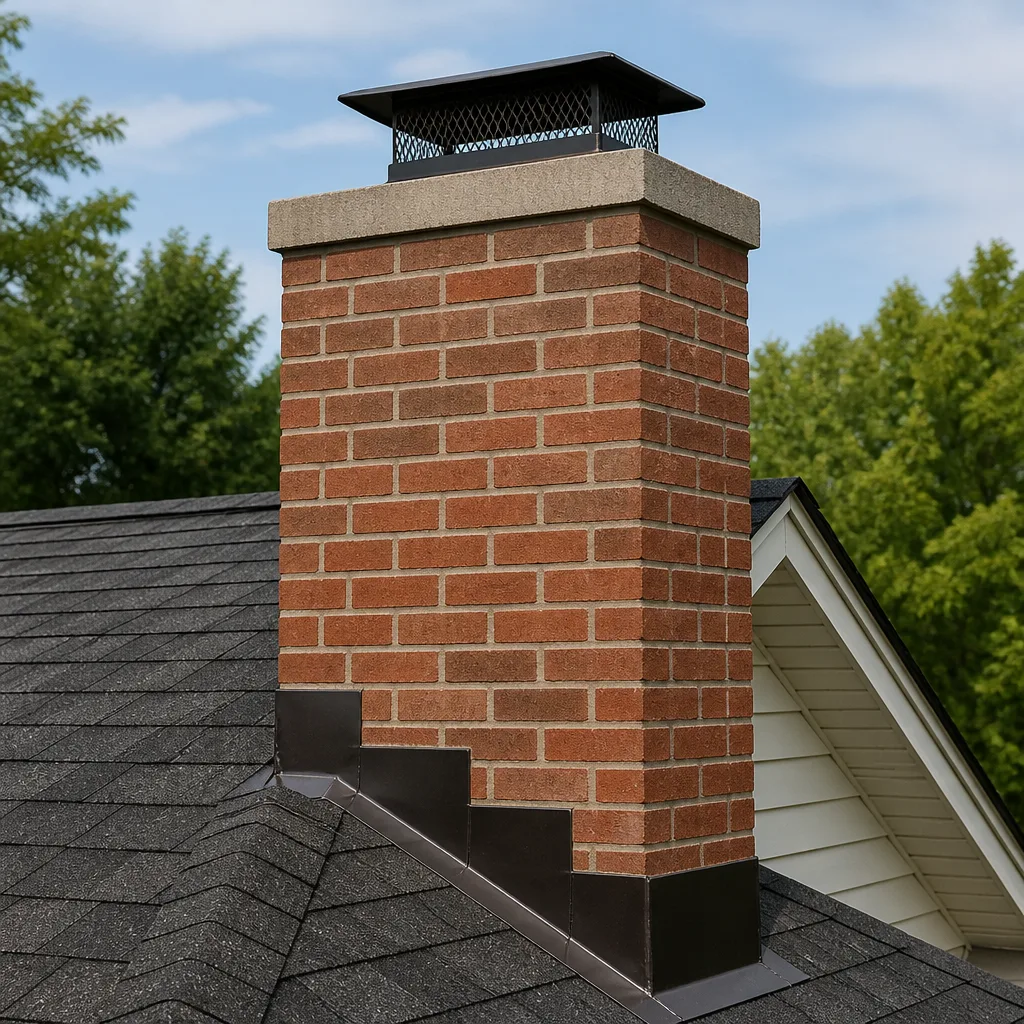 Masonry repair
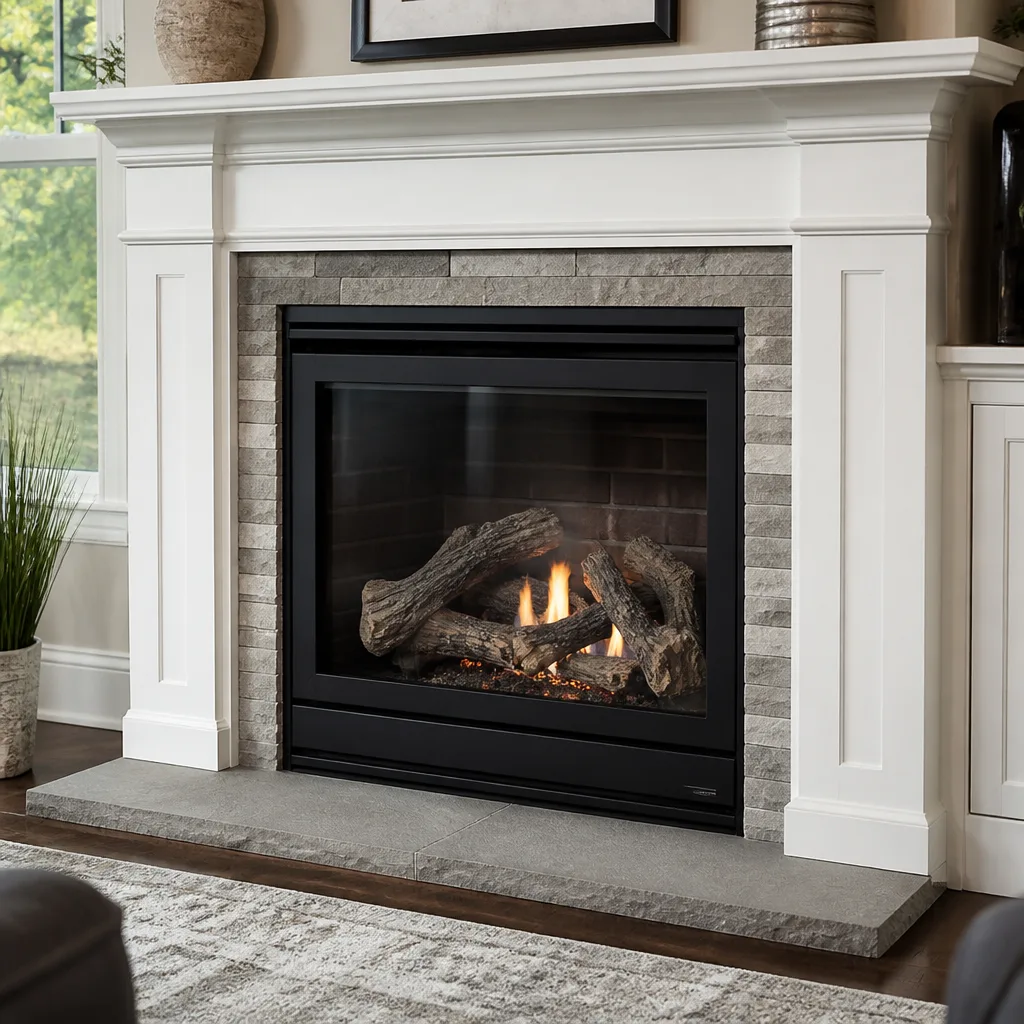 Gas fireplace service
Level 1 sweep and inspection to the NFPA 211 annual standard - flue, crown, cap, and flashing checked and photographed
Chimney sweep logs do not sweep chimneys. They loosen some creosote - which then falls where a brush and vacuum still have to collect it.
Chimney Cleaning Permits, Codes & Inspections in Providence, RI: What You Need to Know
Here’s the part most homeowners get backwards: the cleaning itself almost never needs a permit, but the repair that follows an inspection often does. If your sweep finds a cracked flue liner and you have it relined without pulling a City of Providence building permit, that reline is unpermitted work. It doesn’t announce itself. It sits quietly in your chimney until a buyer’s inspector opens the firebox door during a home sale, and then it becomes a closing problem with a price tag attached. The gap between “you don’t need a permit to sweep a chimney” and “you absolutely need one to rebuild the crown” trips up people every year. This guide walks through which Providence chimney services require permits, how NFPA 211 fits in, who files what, and why the distinction matters at resale.
Quick Answer
Routine chimney cleaning and sweeping in Providence do not require a building permit. Structural chimney work – relining, crown reconstruction, firebox rebuilds, and major masonry repair – generally does require a permit from the City of Providence, and that work should meet Rhode Island building code and NFPA 211 standards. A professional inspection is the step that tells you which category your chimney falls into, so start there before you schedule anything else.
Styles & brands we work with
- Sweep & inspection
- Caps & crowns
- Flue relining
- Masonry repair
- Gas fireplace service
Table of Contents
- Which Chimney Services Need a Permit in Providence and Which Don’t
- How NFPA 211 Applies to Inspections and Repairs in Rhode Island
- What a Certified Chimney Inspector Is Actually Checking
- The Providence Permit Process for Relining, Crown Work, and Firebox Rebuilds
- How Unpermitted Chimney Work Surfaces at Resale
- Rhode Island Insurance and Unpermitted Chimney Work
- Why Providence Weather and Housing Stock Make This Matter
- Common Mistakes to Avoid
Which Chimney Services Need a Permit in Providence and Which Don’t
The cleanest way to think about it: cleaning restores performance, while structural work changes the chimney. Permits follow structural change. A sweep removes creosote and soot from an existing flue without altering anything, so Providence doesn’t require a permit for it. The moment you cut into masonry, pour a new crown, or install a new liner system, you’re modifying a venting system that the building code treats as part of the structure, and the city wants a record of it.
Here’s the practical split:
- No permit typically required: chimney sweeping, Level 1 visual inspections, cap replacement on an existing flue, and routine creosote removal.
- Permit generally required: relining a flue (including a stainless flexible liner), crown reconstruction or replacement, firebox rebuilds, removing or altering masonry, and any repair that changes the flue’s dimensions or flue material.
- Ask before you assume: damper replacement, chase cover fabrication, and repointing that goes beyond surface work. These sit near the line, and the answer can depend on scope.
Rhode Island’s building code adopts the model codes that govern chimneys and venting, and the portions that matter to homeowners are the ones covering masonry fireplaces, factory-built fireplaces, and chimney connectors. The exact code sections cited on your permit application are the building official’s call, so confirm the current edition with the City of Providence before you sign a contract. What doesn’t change: unpermitted structural work on a chimney is a problem whether or not anybody catches it right away. Around Providence, we see a lot of older triple-deckers and single-families where a previous owner had a “quick” reline done quietly. It’s one of the most common things an inspection turns up.
How NFPA 211 Applies to Inspections and Repairs in Rhode Island
NFPA 211 is the national standard for chimneys, fireplaces, vents, and solid fuel appliances, and it’s the reference point Rhode Island inspectors and building officials work from even when it isn’t printed on a permit form. It sets the minimum clearances between a chimney and combustible framing, the acceptable materials for flue liners, and the criteria for judging whether a chimney is safe to use. It also defines the three inspection levels, which we’ll get to next.
What NFPA 211 means for a Providence homeowner is fairly concrete. It tells an inspector what “acceptable” looks like:
- Whether the flue liner has cracks, gaps, or missing sections that let heat and gases reach surrounding wood framing.
- Whether clearances to combustibles are intact, which matters in older Providence homes where chimneys were sometimes built tight against wood lath.
- Whether the chimney is sized correctly for the appliance it serves.
- Whether the crown, flashing, and cap are keeping water out of the masonry.
A repair that follows NFPA 211 is a repair that meets the standard officials and insurers expect. That’s why relining with a recognized system matters: a stainless flexible liner from a professional line like DuraFlex is engineered and tested as a complete system, and it’s what a building inspector wants to see documented. Patching a cracked flue with mortar because it was faster is not the same thing, and it won’t hold up under the standard. We specify the right product for your flue rather than whatever’s on the shelf, because the flue’s size, appliance type, and fuel determine the answer.
What a Certified Chimney Inspector Is Actually Checking
NFPA 211 defines three inspection levels, and knowing which one you’re paying for keeps you from being sold the wrong thing. Level 1 is a visual check of readily accessible portions of the chimney and appliance, done with the standard tools. Level 2 adds a video camera scan of the flue interior and access to areas a visual check can’t reach, and it’s the level required after a chimney fire, after an appliance change, or when a property changes hands. Level 3 is invasive, opening walls or removing parts of the chimney when a serious hidden problem is suspected.
Here’s what a thorough inspection covers, level by level:
- Exterior: crown condition, flashing, cap and spark arrestor, masonry joints, and how the chimney meets the roofline.
- Firebox and damper: cracks in the firebox brick, damper operation, and the smoke chamber above.
- Flue interior: a camera scan at Level 2 reveals cracks, gaps, offset tiles, and heavy glazed creosote that a flashlight can’t.
- Connector and appliance: where the stove or insert connects, clearances, and whether the appliance matches the flue.
- Documentation: a written report with photos so you can see what the inspector saw.
An inspection is a professional service on its own, not a sales funnel. You should get a report you can read and a clear statement of what’s safe, what needs watching, and what needs fixing now. In Providence, the housing stock runs old enough that we regularly find chimneys with no liner at all – just bare brick – which was common construction practice in the early 20th century and is not acceptable for a modern appliance. That’s exactly the kind of finding that belongs in a written report, not in a verbal upsell.
The Providence Permit Process for Relining, Crown Work, and Firebox Rebuilds
For permitted chimney work in Providence, the licensed contractor doing the job typically pulls the permit, files the scope with the city, and schedules the inspection. Homeowners can file in some cases, but the professional who’s doing the work is usually the right party to file, because the application has to describe the work accurately and match what gets inspected afterward. Timeline varies with the city’s workload and the scope of the job, so ask your contractor for the current expected turnaround rather than relying on a number from a guide.
Here’s the sequence a permitted chimney repair generally follows in Providence:
- Inspection first. A Level 2 inspection documents the problem and defines the scope. No permit application should be filed until someone knows what’s actually wrong.
- Scope and permit filing. The contractor prepares the application describing the reline, crown rebuild, or firebox work, and files it with the City of Providence building department.
- Approval and scheduling. Once the permit is issued, the work gets scheduled. Some work requires inspection at defined stages before it’s covered up.
- Installation. Relining with a tested system like DuraFlex, crown reconstruction with proper slope and overhang, and firebox rebuilds all follow the approved scope and the manufacturer’s instructions.
- Final inspection and sign-off. The building official inspects the completed work and signs off. Keep that sign-off with your home records.
Two things get skipped a lot around here. The first is documentation: homeowners get the work done and never keep the permit or the inspection sign-off, and then can’t prove the work was permitted when they sell. The second is doing the crown and the liner as one job rather than two. If the crown is failing and letting water into the masonry, a new liner installed underneath a bad crown is going to have a shorter life. One company handling the sweep, the inspection, and the repair means the scope is decided in one place instead of split across contractors who never talk to each other.
How Unpermitted Chimney Work Surfaces at Resale
Chimney work done without a required permit gets discovered during the buying process, and it’s a headache for both sides. A buyer’s home inspector will note the chimney’s condition and often flag signs of recent relining or masonry work that has no permit on record. The buyer’s attorney pulls permit history from the city. When the reline shows up in the inspection report but not in the permit records, you have a discrepancy, and lenders get nervous about discrepancies on a safety system.
What can happen next, depending on the deal:
- The buyer asks for the work to be permitted and inspected retroactively, which requires a contractor to open up and verify work that may or may not meet code.
- The buyer asks for a credit or a price reduction to cover remediation.
- The closing gets delayed while everyone sorts out what was done and whether it’s acceptable.
- Worst case, the lender won’t clear the loan until the chimney is brought into compliance.
Doing it right the first time costs you the permit and the inspection fee, which is modest relative to the repair. Remediating unpermitted work can mean removing what was installed to verify the flue, or in some cases redoing it entirely, and then paying for the permit and inspection anyway. The math isn’t close. A clean chimney is a code-compliant chimney, and a code-compliant chimney is one you can prove. Keep every piece of paper: the inspection report, the permit, the inspection sign-off, and the manufacturer documentation for the liner system.
Rhode Island Insurance and Unpermitted Chimney Work
If a chimney fire happens and the work on that chimney was done without a required permit, your claim can get complicated. Insurers don’t reject claims purely because a permit is missing, but they do investigate cause, and unpermitted, unverified work on the exact system that failed is the kind of fact that invites scrutiny. After a chimney fire, the adjuster will want to know when the chimney was last inspected, what was done to it, who did it, and whether it met code. If the answer to any of those is “nobody knows,” the claim can slow down or get disputed.
The stronger position is straightforward. You have a current inspection report from a certified professional. You have a permit and a final inspection sign-off for any structural work. You have documentation for the liner system that was installed. That’s the file an adjuster wants to see, and it’s the file that keeps a claim moving. It also matters for your own protection: a chimney fire in a flue that was never lined or that had a failing liner is a fire that had a path into the structure of your home. The permit and inspection process exists to close that path.
Why Providence Weather and Housing Stock Make This Matter
Providence winters are freeze-and-thaw seasons, and masonry doesn’t love freeze-and-thaw. Water gets into a hairline crack in the crown or a failed mortar joint, freezes overnight, expands, and opens the crack a little wider. Repeat that across a winter and a small flaw becomes a real repair. That’s why the crown, the flashing, and the cap matter so much here: they’re the parts that keep water out of the chimney in the first place, and they’re the parts that fail first on older homes.
The local housing stock adds to it. Across neighborhoods like Fox Point, Federal Hill, Smith Hill, and the East Side, there’s a deep bench of 19th and early 20th century houses with original masonry chimneys. Many were built before modern liner requirements, and some have been modified over the decades by owners who did whatever was common at the time. We’ve seen chimneys in Providence with multiple flues serving different appliances, some relined and some not, where nobody has a record of which is which. That’s a case for a Level 2 inspection before anything else happens, so you know what you’re actually working with. The other local reality: heating season here is long, and a chimney that runs hard all winter accumulates creosote faster than one that sees occasional fires. Annual inspection keeps that in check.
When you need the work done, you’ll want a specialist who handles the whole thing. You can reach Providence Chimney Cleaning for a free estimate, and you can also read more about what a chimney sweep involves before you book one, and what chimney repair covers when the inspection turns up a problem.
Common Mistakes to Avoid
- Assuming the sweep will catch everything. A sweep cleans the flue; it doesn’t verify the flue’s structural condition. A camera inspection is a separate service, and skipping it is how cracked liners go unnoticed for years.
- Relining without a permit. If the work changes the flue, it likely needs a permit in Providence. Skipping it creates a paperwork problem that surfaces at resale and complicates an insurance claim.
- Not keeping the inspection report or permit. The documentation is the proof. Homeowners who did the work correctly but can’t produce the paperwork end up in the same spot as homeowners who didn’t.
- Installing a new liner under a failing crown. Water gets in at the top. A crown with cracks and a liner with a fresh install is a repair that’s already working against itself.
- Trusting a generic cap or off-brand liner. A cap from the hardware store may not fit the flue properly or hold up to Providence winters. Professional-grade products like Famco or Copperfield caps and DuraFlex liners are specified for the flue, not picked off a shelf.
- Using a generalist for structural chimney work. A handyman can sweep. Crown reconstruction, relining, and firebox rebuilds are chimney work with code and safety implications, and they belong with a specialist.
- Letting a chimney sit uninspected through multiple heating seasons. NFPA 211 and the trade standard both call for annual inspection. Two or three skipped years is enough time for a small problem to become a structural one.
When to Call a Professional
Call a professional chimney service in Providence when you’ve moved into a home and don’t have a recent inspection report, when you’re changing the appliance on a flue (adding a wood insert, switching to gas, or connecting an oil-fired system), or when you notice signs of trouble like a strong creosote smell, smoke backing into the room, or visible damage to the crown or flashing. Call immediately after any chimney fire, even a small one, because a Level 2 inspection is required to confirm the flue is still sound. And call before any structural repair, so the scope is defined by an inspection rather than a guess. Providence Chimney Cleaning offers free estimates in Providence – call (833) 315-2861 to book an inspection or a sweep.
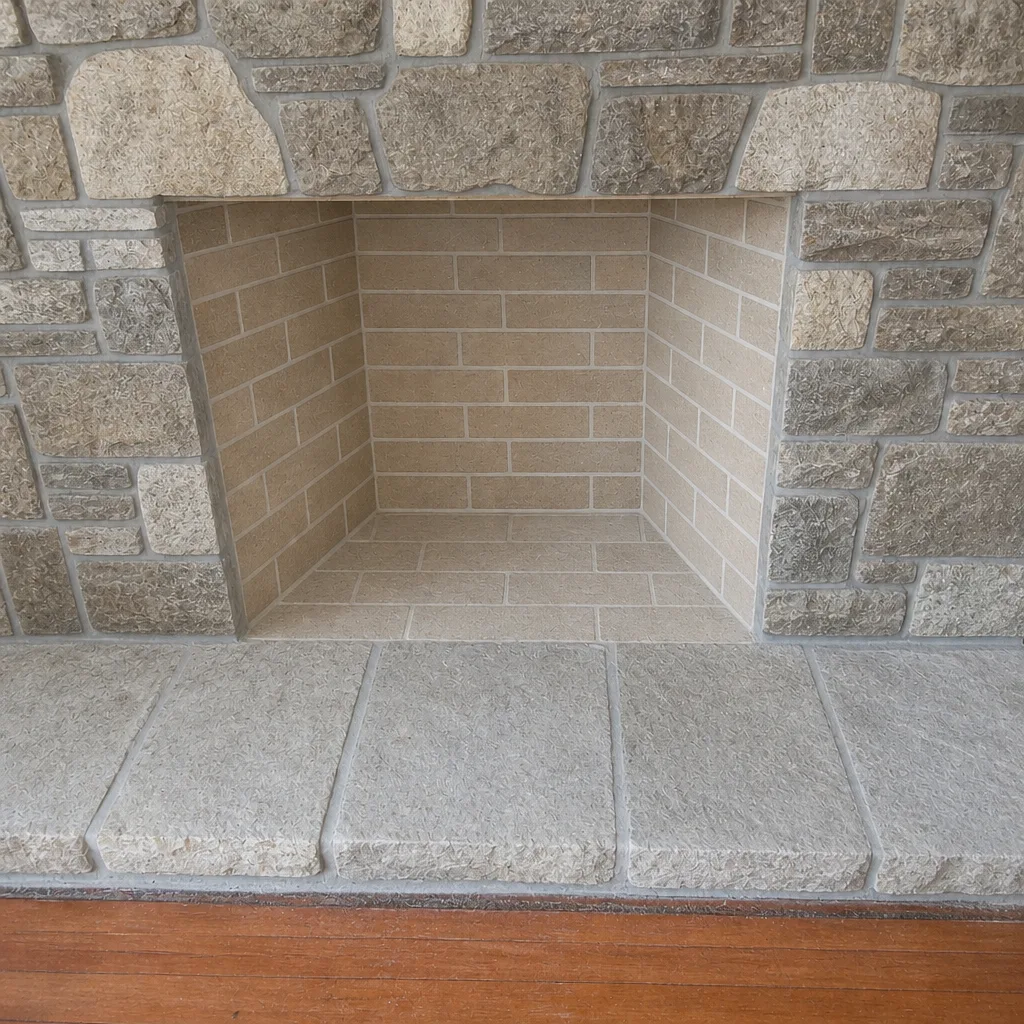
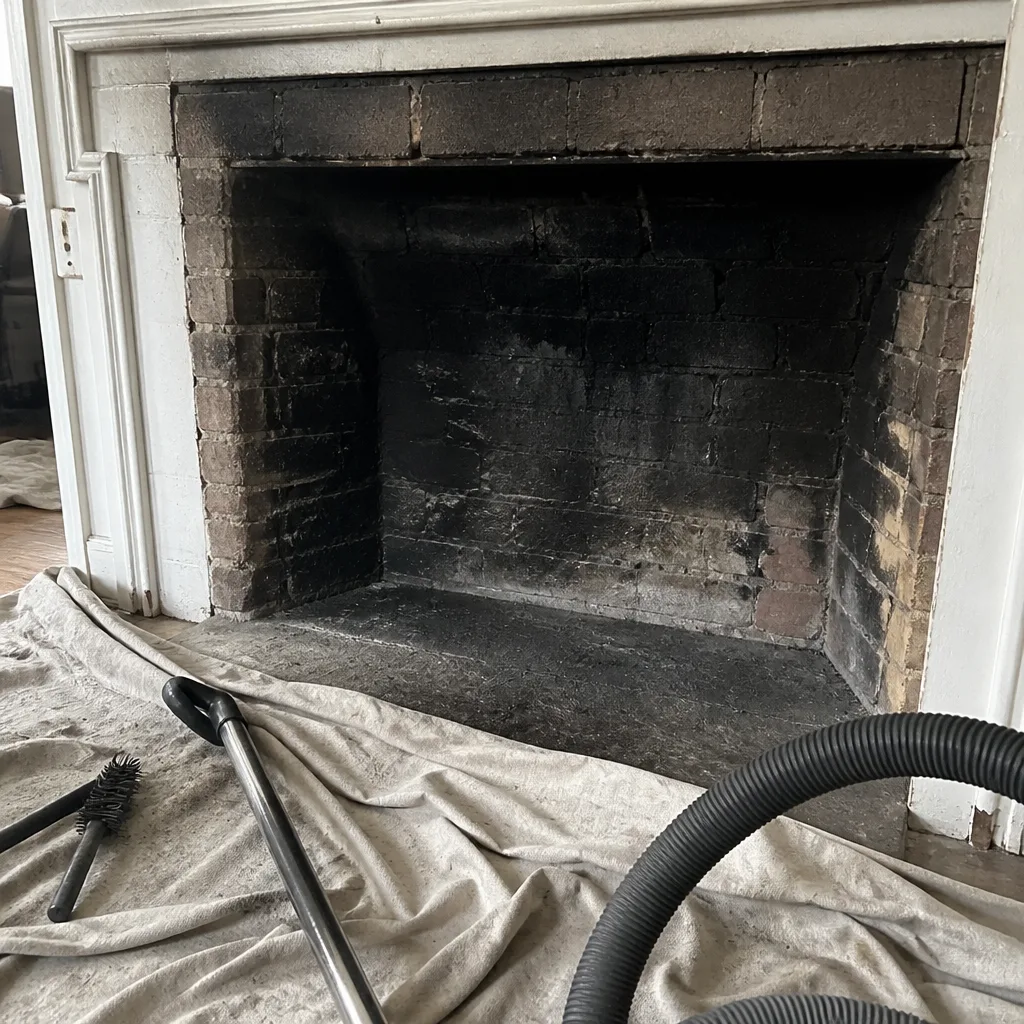
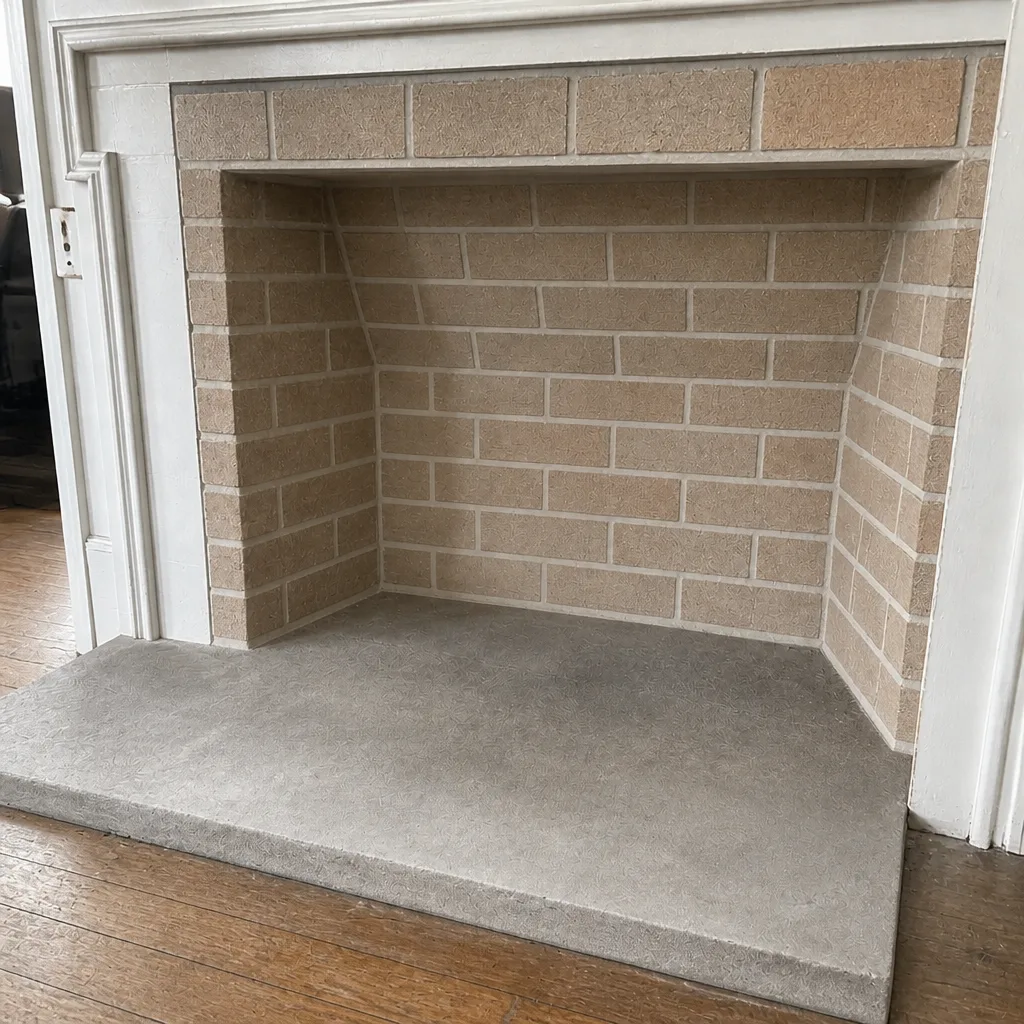
See the difference
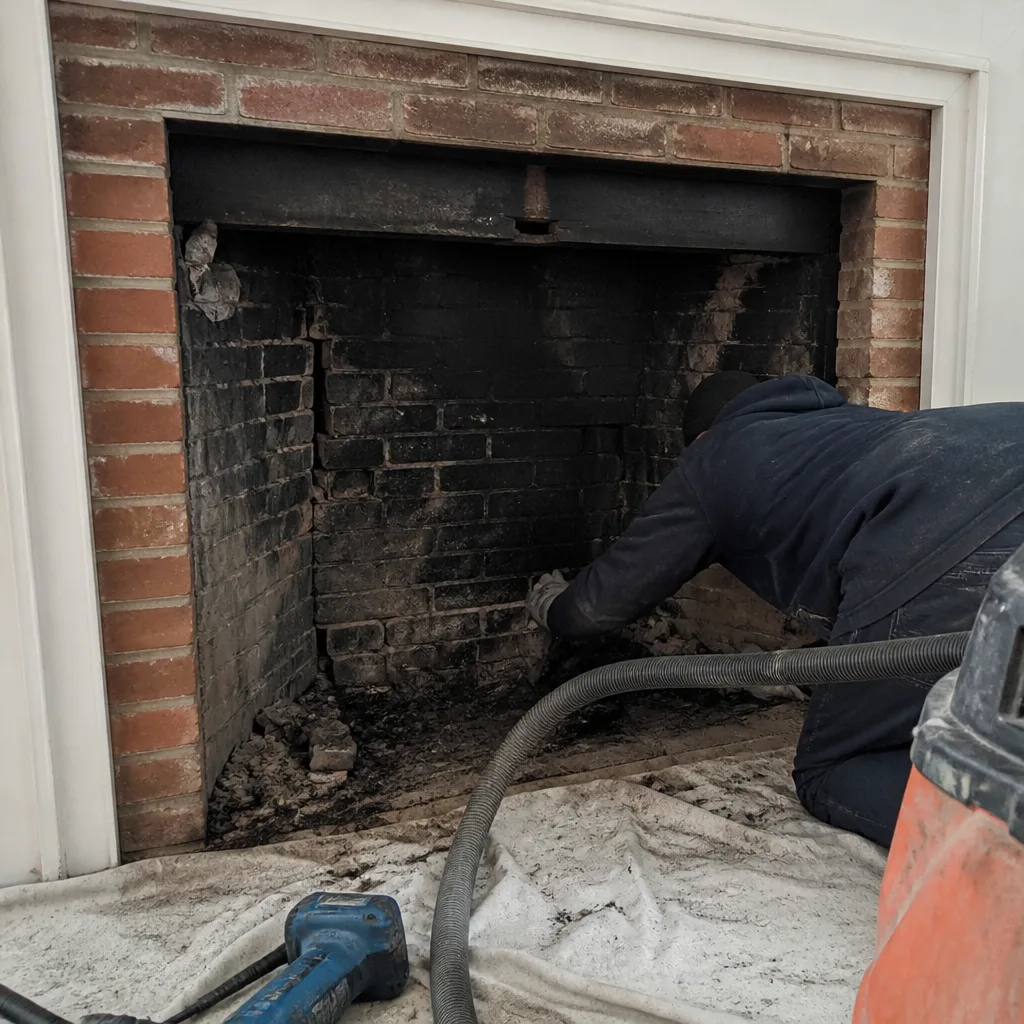 Before
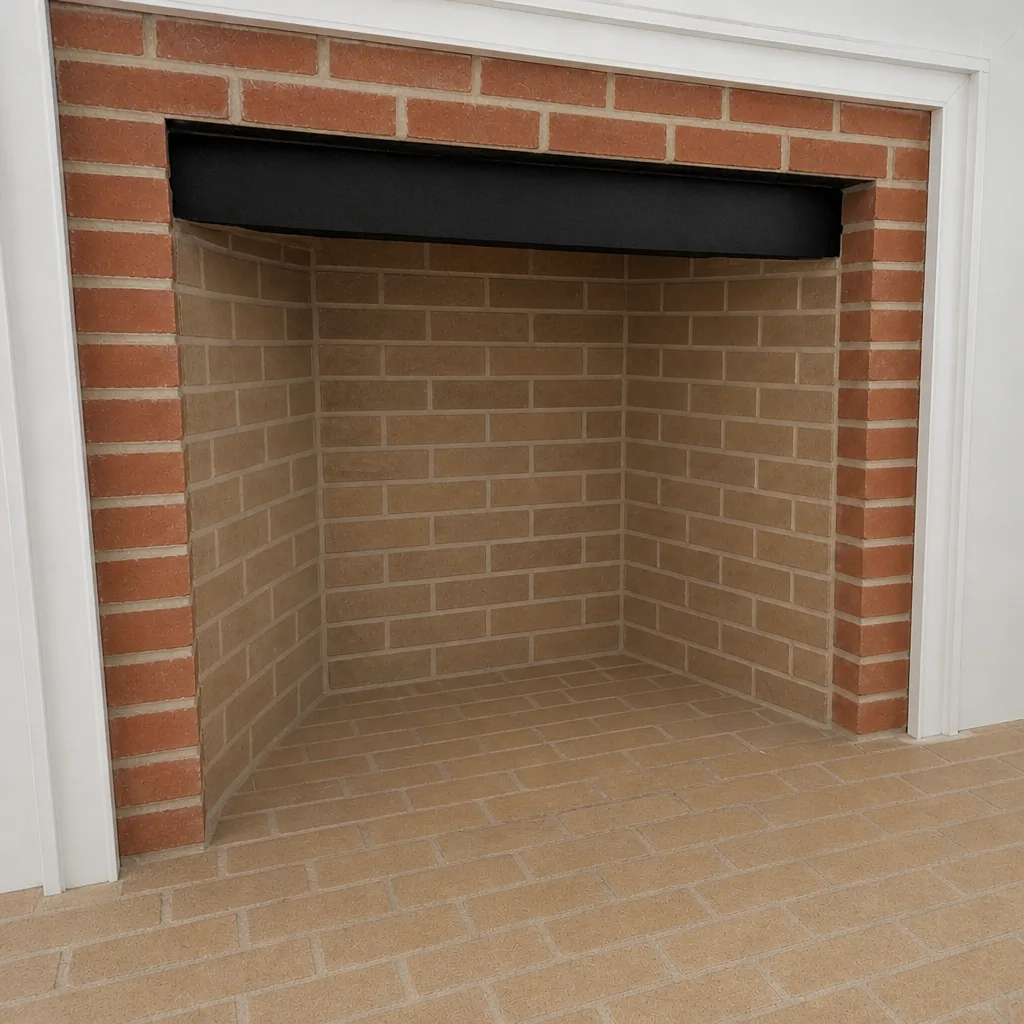 After
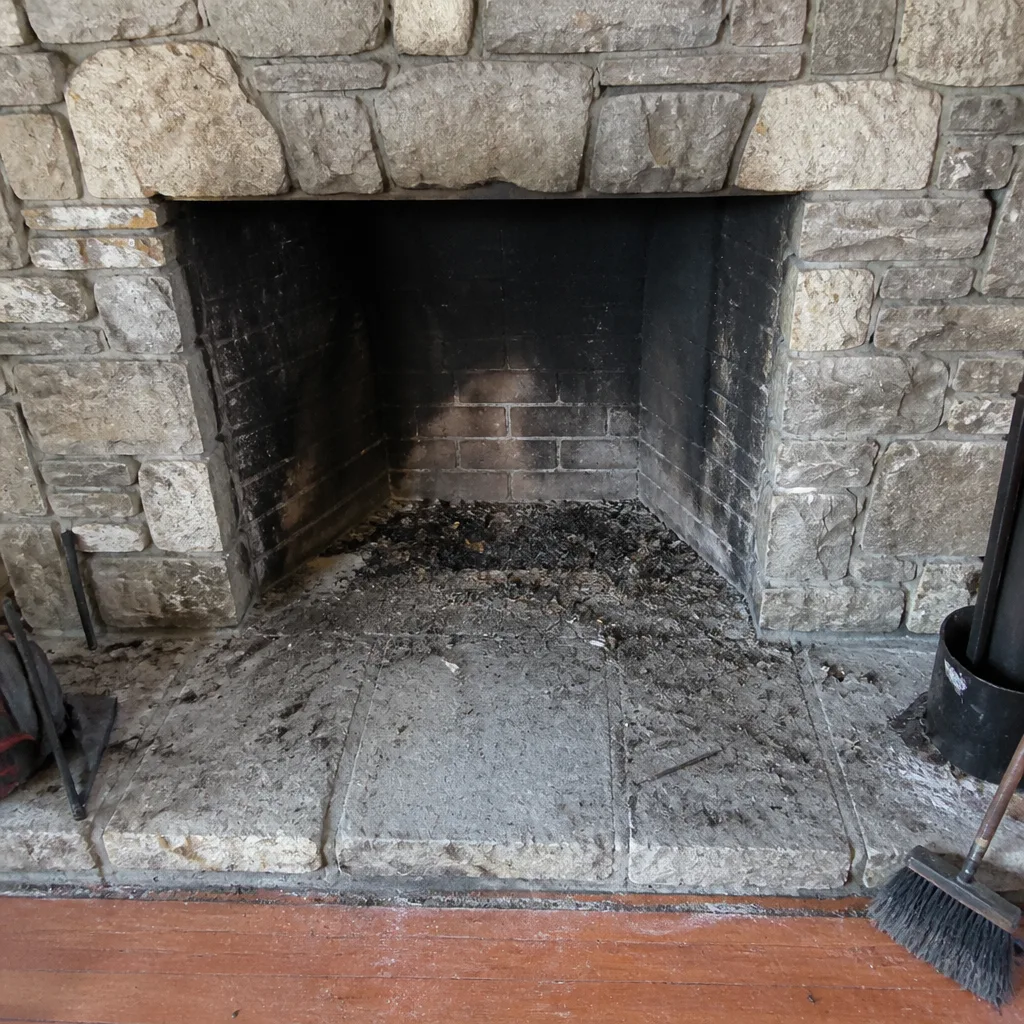 Before
 After
 Before
 After
Frequently Asked Questions
No. Routine chimney cleaning and sweeping in Providence do not require a building permit because they don’t alter the chimney’s structure. The permit requirement kicks in when the work changes the flue or the masonry, such as relining, crown reconstruction, or a firebox rebuild. If you’re unsure which category your job falls into, an inspection answers it before you book any work. Call (833) 315-2861 for an exact quote – estimates are free.
In most cases, yes. Relining changes the flue’s material and dimensions, which makes it structural work under Rhode Island’s building code, and the City of Providence generally requires a permit for it. The contractor doing the work typically files the application and schedules the inspection. Confirm the current requirements with the Providence building department before work begins. Call (833) 315-2861 for an exact quote – estimates are free.
A Level 1 inspection is a visual check of accessible parts of the chimney and appliance. A Level 2 inspection adds a video camera scan of the flue interior and access to areas a visual check can’t reach. Level 2 is required after a chimney fire, when the appliance changes, or when a property is sold. If you don’t have a recent inspection report, a Level 2 is usually the right starting point. Call (833) 315-2861 for an exact quote – estimates are free.
Your insurance claim can get complicated. Insurers investigate cause, and unpermitted work on the system that failed is a fact they’ll want to understand. It doesn’t automatically void a claim, but it can slow the process or lead to a dispute over coverage. A permit, an inspection sign-off, and liner documentation are what keep a claim moving smoothly. Call (833) 315-2861 for an exact quote – estimates are free.
Annually. The trade standard and NFPA 211 both call for an annual inspection, and Providence’s long heating season means a wood-burning chimney can accumulate creosote quickly. Annual inspections also catch crown and flashing failures before freeze-and-thaw cycles turn them into structural repairs. If it’s been more than a year since your last inspection, book one before the next heating season. Call (833) 315-2861 for an exact quote – estimates are free.
Yes, it can. A buyer’s inspector will note the chimney’s condition, and the buyer’s attorney pulls permit history from the city. When recent relining or masonry work shows up in the inspection report but not in the permit records, it becomes a negotiation point that can delay closing or reduce the sale price. Doing the work with a permit the first time avoids the problem entirely. Call (833) 315-2861 for an exact quote – estimates are free.
The Bottom Line
Chimney cleaning in Providence doesn’t need a permit. Chimney repair usually does, and the inspection is what tells you which one you’re facing. Get the inspection first, do the structural work with a permit, keep every document, and make sure the repair meets NFPA 211 and Rhode Island building code. That sequence protects your home, keeps an insurance claim clean if something goes wrong, and prevents a nasty surprise during a future sale. Two of the brands we work with, DuraFlex for relining and Olympia Chimney for venting components, are the kind of contractor-grade materials a building official expects to see installed to manufacturer spec. A clean chimney is a code-compliant chimney, and it’s one you can prove.
Contact
Whether you need a sweep, an inspection, or a repair that has to be permitted and inspected, Providence Chimney Cleaning handles all three with the same team from start to finish. We’ll show you the camera evidence and tell you plainly when work can safely wait. If you’re in Providence, call (833) 315-2861 for a free estimate. We answer 24/7. Fast dispatch from 7am to 7pm, Sunday through Friday.
Written by the team at Providence Chimney Cleaning.