
Last updated November 16, 2026
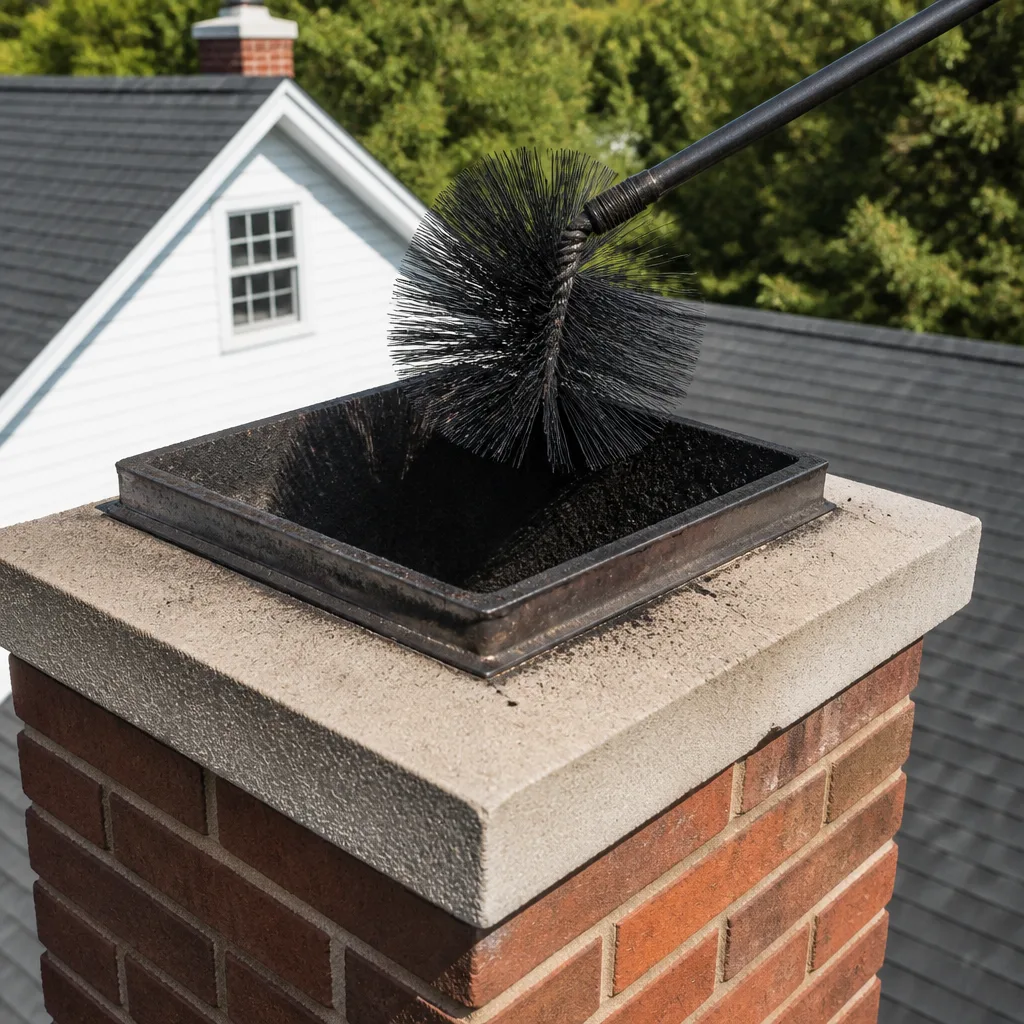 Sweep & inspection
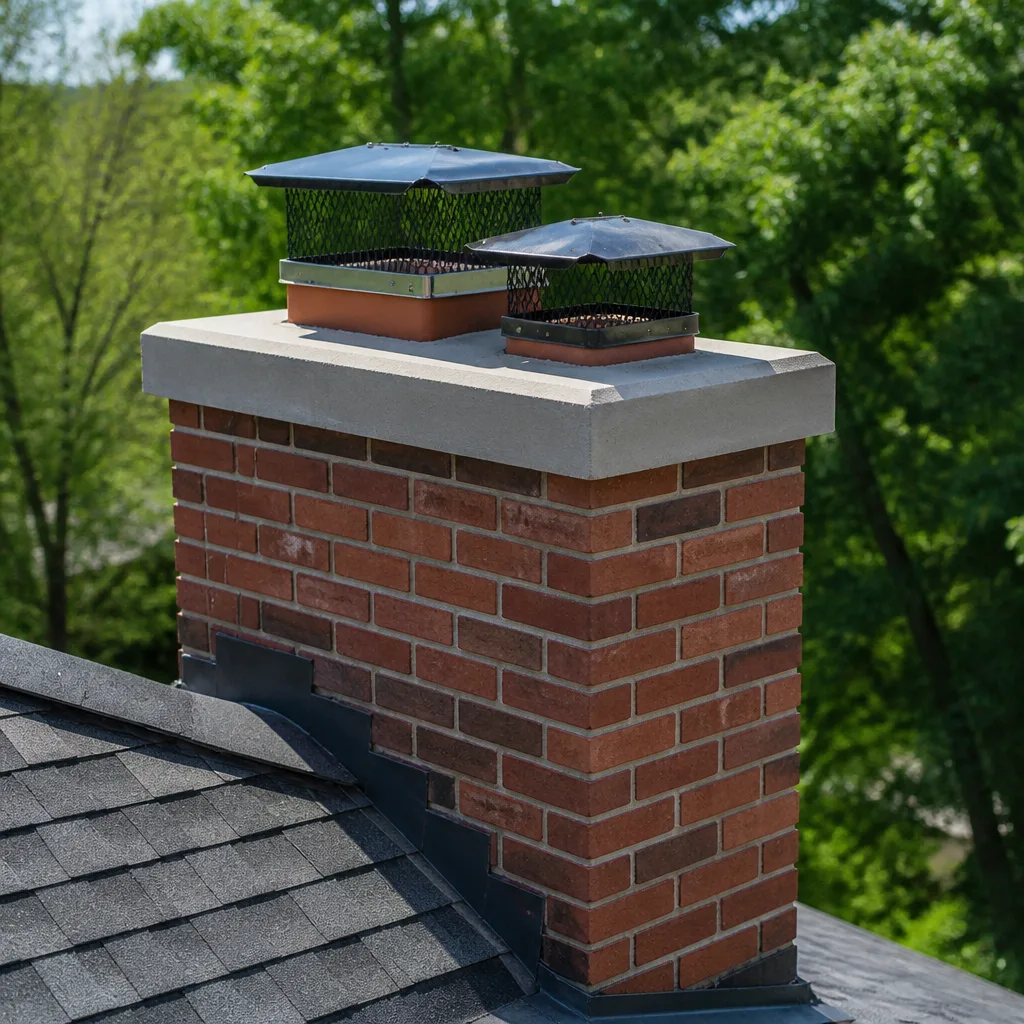 Caps & crowns
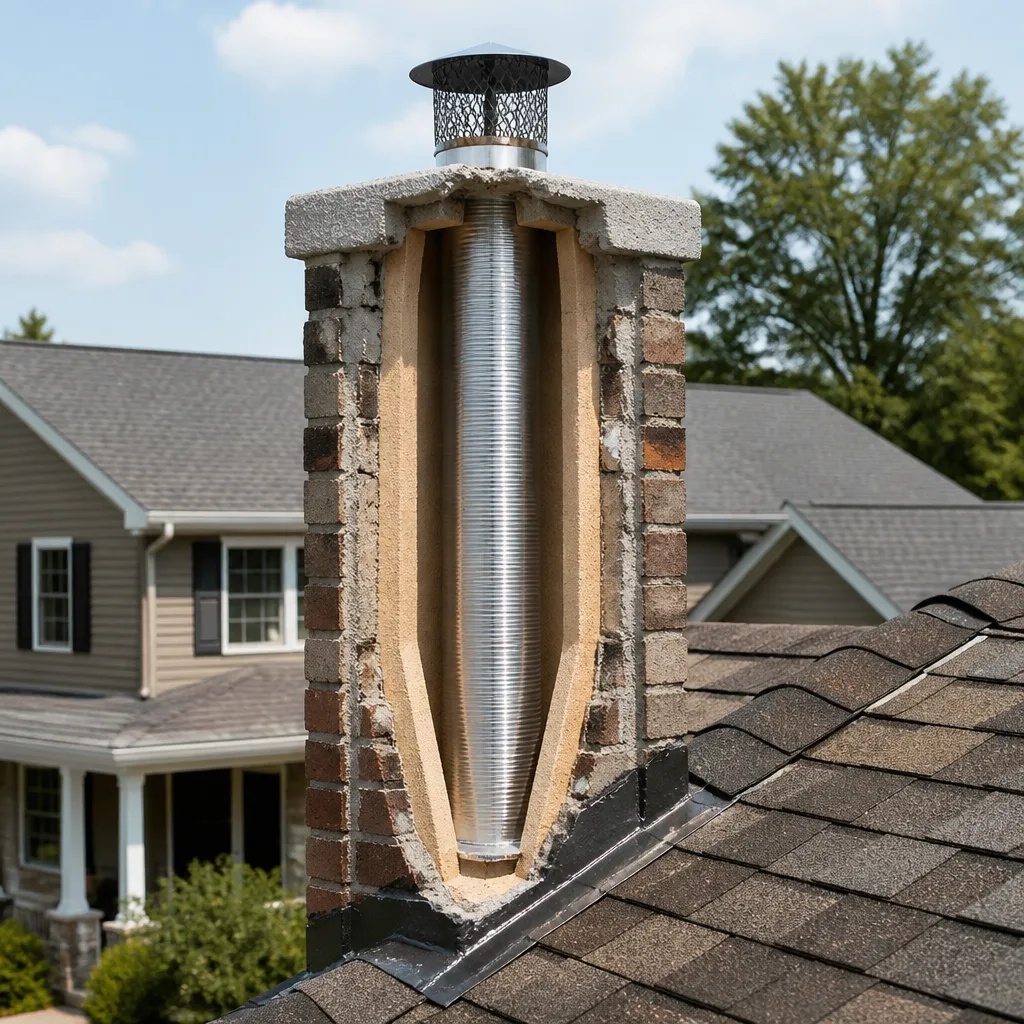 Flue relining
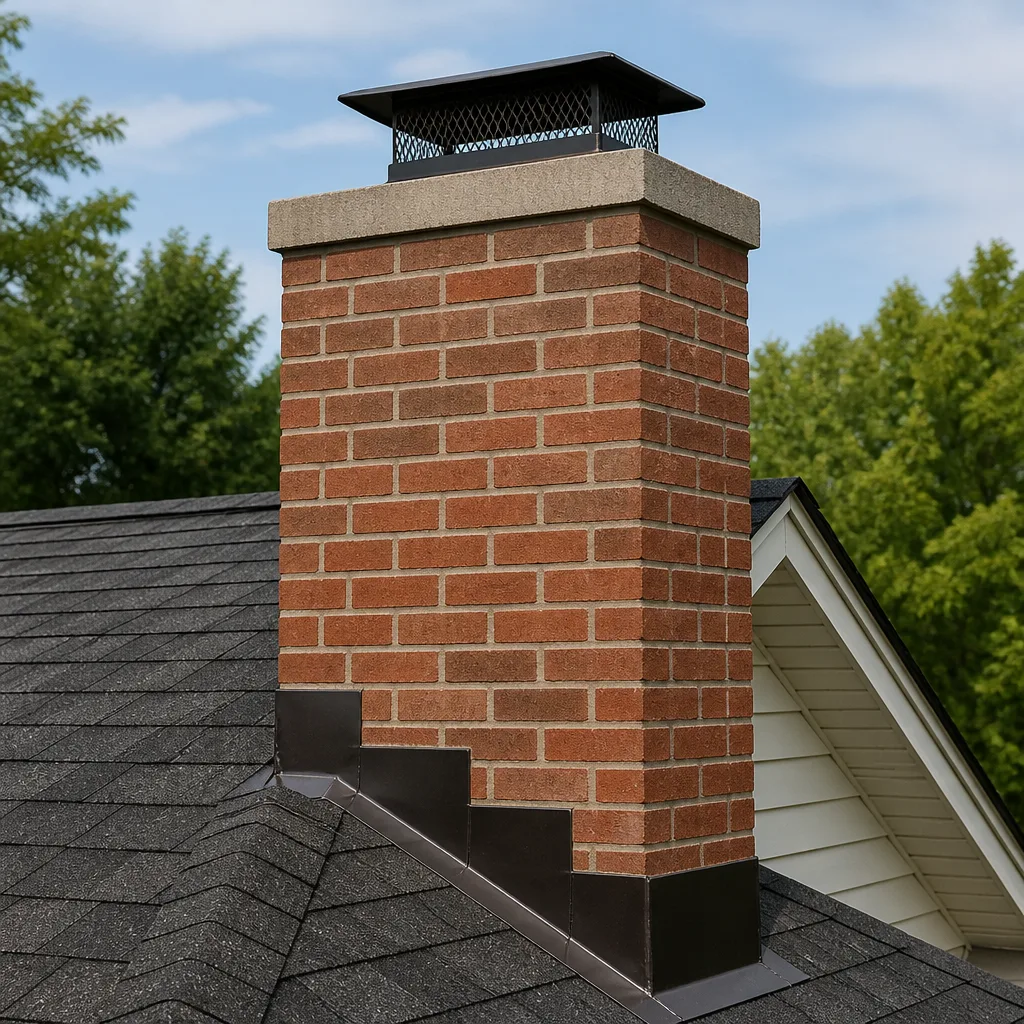 Masonry repair
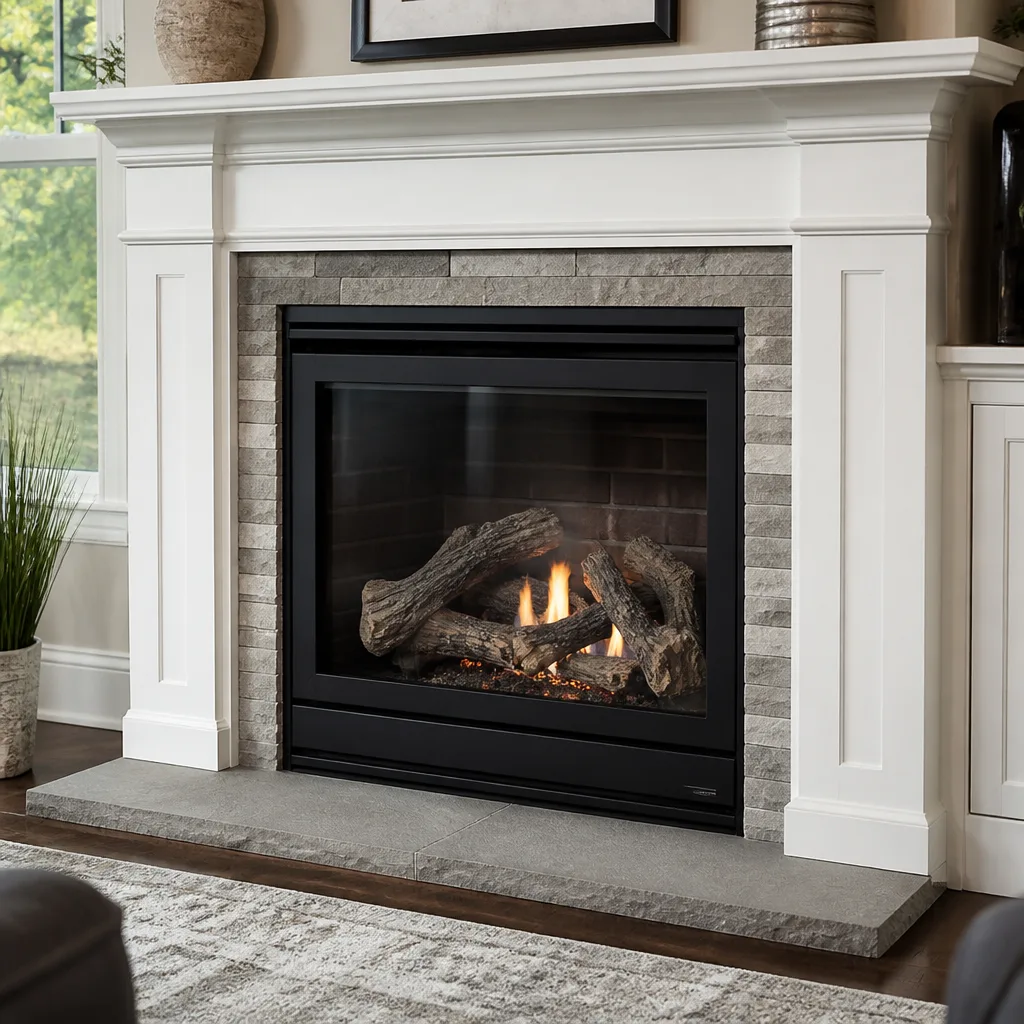 Gas fireplace service
Level 1 sweep and inspection to the NFPA 211 annual standard - flue, crown, cap, and flashing checked and photographed
Chimney sweep logs do not sweep chimneys. They loosen some creosote - which then falls where a brush and vacuum still have to collect it.
Chimney Sweep Troubleshooting in Providence: Common Problems and How to Fix Them
Most homeowners assume that a chimney which smokes, smells, or draws poorly is simply old, and old houses are supposed to behave that way. That assumption costs people time and money. A backdraft that shows up when the wind turns, a musty odor that appears in July, a hairline crack that opens every March: these are specific mechanical symptoms, and each one traces back to a known cause. Smoke entering a room has three completely different origins. Odors in humid weather have their own chemistry. Masonry cracks tell you which way a wall is moving. This guide teaches you to read those symptoms accurately, describe them precisely, and know which ones need a trained eye before you pick up the phone. It’s written from Providence.
Quick Answer
Chimney problems in Providence usually come down to one of a few mechanical causes: a flue that’s too small or too large for the appliance, a cap or stack height that can’t handle wind, an obstruction inside the flue, or masonry damage from the freeze-thaw cycle. Diagnosing the right cause starts with matching the symptom to the component. A professional inspection confirms it, and the fix varies completely depending on which cause you’re dealing with.
Styles & brands we work with
- Sweep & inspection
- Caps & crowns
- Flue relining
- Masonry repair
- Gas fireplace service
Table of Contents
- Three Causes of Smoke Entering the Room (and Why They’re Not the Same Fix)
- Wind-Driven Backdraft and What Your Cap and Stack Height Are Doing
- Why Chimney Odors Get Worse in Summer and Humid Weather
- Reading Masonry Cracks in Providence’s Freeze-Thaw Climate
- Why a Chimney That Passed Last Year Can Fail This Season
- Obstructions, Blockages, and Slow Draws
- Pre-Call Checklist: Describing Your Symptoms Precisely
- What a Sweep Actually Finds (and What It Doesn’t Fix)
Three Causes of Smoke Entering the Room (and Why They’re Not the Same Fix)
Smoke rolling out of a fireplace can come from three separate problems, and treating them as one has wasted more repair budgets than any other chimney mistake. If your fireplace smokes into the room every time the wind picks up from the northwest, that’s not a general draft problem. It’s almost always a stack height or cap geometry issue tied to how air moves over your particular roofline. The fix for a draft issue is different from the fix for a sizing issue, which is different again from the fix for an obstruction.
1. Negative Air Pressure
This is a house problem, not a chimney problem. Modern homes are tight, and bath fans, kitchen exhausts, and dryers all pull air out of the building. When the house is sealed tighter than the chimney can draw through, the fireplace becomes the path of least resistance and air comes down the flue instead of up. Signs include smoke that appears when the furnace or a bath fan runs, or that worsens on windy days when pressure outside pushes harder against a weak draw. A trained technician checks pressure relationships before recommending any repair, because no amount of sweeping fixes a pressure imbalance.
2. Inadequate Flue Sizing
A flue that’s too large for the appliance lets the exhaust cool before it exits, which stalls the draft. Too small, and it can’t move the volume the appliance produces. Either mismatch causes smoke. This is common after a fireplace insert is added to a chimney built for an open hearth, since the flue was never sized for the insert.
3. Obstruction
Nests, leaves, a fallen flue tile, or heavy creosote buildup all block the path. An obstruction is the most dangerous of the three because it doesn’t just cause smoke, it causes carbon monoxide to back up into living space. If you suspect a blockage, stop using the fireplace until it’s checked.
Each cause calls for a different diagnosis, which is why we start with an inspection and not a guess. The three pillars we work on hold the same way: chimney repair when the structure is at fault, and clearer diagnostics when the answer isn’t obvious.
Wind-Driven Backdraft and What Your Cap and Stack Height Are Doing
If your fireplace only smokes on certain wind directions, the cap and stack are the first place to look. A flue needs to terminate high enough and far enough from the roof plane and nearby structures that wind passing over them doesn’t create a pressure zone directly over the opening. When the stack is short, or the cap is the wrong geometry, wind spills down the flue instead of carrying smoke away. Providence’s position at the head of the bay funnels wind in specific directions along the East Side and through the neighborhoods near College Hill, and that directionality shows up in how these problems present.
What to Check First
- Termination height: The flue should clear the roof and any nearby ridge by a sufficient margin. Short stacks are the most common wind-related cause.
- Cap type and fit: A cap that’s too open, too closed, or poorly fitted changes airflow at the top of the flue. Rain caps and wind-directional caps behave differently.
- Nearby obstructions: Trees, neighboring rooflines, and additions all create turbulence that a properly sized cap has to work against.
- Roofline changes: A new dormer or a re-roof can change the wind pattern over your chimney without anyone touching the chimney itself.
We specify caps from product lines like Gelco and Famco because a proper fit matters more than a generic cap pulled off a hardware shelf. The wrong cap makes a wind problem worse, not better. If the wind issue is combined with structural deterioration, a chimney sweep plus inspection tells you whether the cap is the whole story or whether the flue behind it needs work too.
Why Chimney Odors Get Worse in Summer and Humid Weather
That musty, smoky smell that shows up in July isn’t “buildup” in some vague sense. It’s chemistry. Creosote and soot left on the flue walls absorb moisture from humid summer air. As the humidity rises, the deposits soften and release volatile compounds, which travel down the flue and into the house. The same strong pull of the house in the direction of the fireplace that helped in winter now works against you, because warm outdoor air and cool indoor air can create a reverse draft that pushes those odors inside. In Providence, humid stretches of summer make this happen in homes that never smelled a thing during the heating season.
Symptoms That Point to Creosote and Moisture
- A smoky or sour smell that’s strongest on hot, humid days
- Odor that appears after rain
- Smell that’s worse when the fireplace has been unused for weeks
- A faint creosote odor in upstairs rooms near the chimney chase
The fix is a thorough cleaning that removes the deposits, followed by checking whether the flue is capped properly to keep rain and humidity out. Gelco and Famco caps installed at the top of the flue help here, because a properly sealed top stops moisture from getting in at all. Cleaning alone doesn’t stop a summer odor if the flue is wide open to the weather. If you find the odor comes with drafts in the shoulder seasons too, that points to the venting system rather than the interior.
Reading Masonry Cracks in Providence’s Freeze-Thaw Climate
Providence’s winters run through repeated freeze-thaw cycles, and that pattern leaves a distinct signature on masonry. Water gets into a crack or a porous brick, freezes, expands, and widens the opening. Then it thaws, and the cycle begins again. Over several seasons, the damage compounds. Not every crack means the same thing, though, and reading the pattern tells you what’s actually happening structurally.
What Each Pattern Indicates
- Vertical cracks in the brick face: Often cosmetic to start, but if they run through the full depth of the brick, water gets behind the wall. This is the pattern most often tied to freeze-thaw.
- Stair-step cracks in mortar joints: Usually point to movement or settling in the chimney structure rather than moisture alone. Worth a close look.
- Cracks at the crown: The crown is the concrete cap at the very top. A cracked crown lets water straight into the flue and is one of the fastest paths to interior damage.
- Spalling brick faces: When the outer face of the brick pops off, the brick can no longer shed water. Common in Providence’s older stock after enough winters.
- Cracks in the flue tiles: These aren’t visible from the ground and require a camera inspection.
A crown crack and a vertical wall crack call for different repairs, and pricing depends on which one you have. HeatShield resurfacing can restore a compromised flue from the inside without a full rebuild, and it’s a contractor-grade solution, not a patch. Full relining with DuraFlex flexible liner systems is the option when the original flue is beyond resurfacing. A camera inspection is the only way to tell which you’re looking at, and we show you the footage before recommending anything.
Why a Chimney That Passed Last Year Can Fail This Season
A clean bill of health one year doesn’t guarantee the next, and not because the technician missed something. Chimney components degrade at different rates, and the fastest ones in this climate are the ones most exposed to moisture and freeze-thaw. Knowing which components are most vulnerable helps you understand why an annual check matters, especially in a humid climate that stresses the whole system.
Components That Degrade Fastest
- The crown and cap: Both live at the top, fully exposed. A small crack in the crown opens further with every freeze.
- The flue tiles: Hairline cracks can grow through a single hard winter, especially when moisture gets behind them.
- Mortar joints: The softest part of the masonry, and the first to erode under repeated wetting and drying.
- The damper: A rusty or seized damper changes how the fireplace draws and can let cold air in when it should seal.
- Creosote deposits: What was a light glaze last year can thicken over a season of burning, moving from a manageable layer to a hazard.
Rhode Island humidity accelerates each of these. That’s why a pass from last season is a snapshot, not a guarantee, and why a fresh inspection at the start of the heating season catches problems while they’re still small. If you want the annual schedule set up properly, our Providence Chimney Cleaning team can walk you through the timing.
Obstructions, Blockages, and Slow Draws
A slow draw doesn’t always mean a sizing problem. Sometimes there’s something physically in the flue. A fallen piece of flue tile, a bird’s nest, or a collapsed masonry fragment can narrow or close the path in a small area, and the fireplace still looks normal because the blockage isn’t visible from the hearth. These are the cases where the symptom is a weak, struggling fire, or smoke that appears only after the fire has been burning for a while. Animals nesting in an open flue is one of the most common causes of an annual surprise.
Signs of an Obstruction
- A fire that starts fine but smokes or goes out as it gets going
- Draft that gets worse with a stronger fire, not better
- Debris falling into the firebox
- A smell of soot or wood in rooms that shouldn’t have it
- Awkward noises from the flue when the wind is up
An obstruction is the case where you don’t wait and see. Carbon monoxide backing into the house is a real risk when the flue is blocked, and no fireplace is worth that. A sweep with a camera inspection clears the flue and shows you exactly what was in there. If we find a safety issue, we show you the footage and explain the options. If the flue just needs a cleaning, that’s what we’ll tell you.
Pre-Call Checklist: Describing Your Symptoms Precisely
The fastest way to cut diagnostic time is to arrive at the call already knowing your symptoms. A technician who knows what you’re seeing can bring the right tools and give you a better estimate. Use this checklist before you call anyone.
- When exactly does the problem appear? Only when the wind is from a certain direction, only when other exhaust fans run, only when the fire is first lit, or only after it’s been burning for a while.
- What does the smoke look like? A steady curl into the room, a surge when the fire catches, or a puff when you open the glass doors.
- What’s the odor? Sooty and smoky versus musty and sour. The two point in different directions.
- What’s on the outside of the chimney? Note any visible cracks, spalling brick, a loose cap, or a cracked crown.
- What did last season look like? Any change from last year, even small, tells the technician something.
- What appliance is on the flue? Wood-burning fireplace, wood insert, gas insert, or oil-fired heating. Yes, they behave differently.
- Has anything changed in the house? A new appliance, a remodel, a new roof, or new insulation can shift the pressure balance.
Bring this list and the inspection becomes faster. In our experience families in Providence who come prepared get a clearer answer and a more accurate estimate on the first visit.
What a Sweep Actually Finds (and What It Doesn’t Fix)
A sweep does one job well, and it’s important to know what that job is. Sweeping removes soot and creosote from the flue and firebox. That’s a specific, valuable service. It doesn’t fix a short stack, a cracked crown, a collapsed flue tile, or a sizing problem. A sweep that’s sold as a fix-all is a red flag. What a good sweep does is clear the flue so an inspection can see what’s underneath, and so any repairs can be made to a clean surface.
What to Expect
- A sweep is the cleaning step. A camera inspection is the diagnostic step. They’re related but not the same, and both have separate value.
- Sweeping a flue with damaged tiles is fine, but it doesn’t repair them. The inspection tells you if repair is needed.
- Creosote removal reduces fire risk. It doesn’t change flue sizing, wind behavior, or pressure issues.
- We install products from DuraFlex, HeatShield, and Famco as part of repair work, not as the outcome of a sweep.
A sweep isn’t a sales funnel. It’s a service, and the honest recommendation is sometimes that the flue is fine and needs nothing more than the cleaning it just received. Our technicians have up to 12 years of experience reading the difference. The point of an inspection is to tell you the truth about your chimney, not to sell you a liner you don’t need. When we do recommend work, we show you the evidence on camera first.
Common Mistakes to Avoid
- Assuming “smoky” is a draft problem and skipping the diagnosis. A fire that smokes into the room can be a pressure issue, a sizing issue, or a blockage. The wrong fix doesn’t just waste money; it leaves a hazard in place.
- Not capping the flue for the summer. Humidity gets in, creosote absorbs it, and the odor shows up in July. A properly fitted cap changes that.
- Treating a small masonry crack as cosmetic. In Providence’s freeze-thaw winters, a small crack widens. Catching it early is usually far less expensive than waiting a couple of seasons.
- Assuming a pass last season is a pass this season. A crown, a flue tile, and a damper can degrade in a single winter. The annual check should be fresh each season, not carried over from last year.
- Skipping the camera inspection when a repair is being proposed. If you’re being asked to spend money on a fix you can’t see, ask to see the footage. A proper inspection shows you the evidence.
- Using a generalist for a flue problem. The right product for a flue isn’t something picked off a shelf. Specialist suppliers, including those we specify from, stock the parts that fit properly.
- Waiting until the fire stops drawing to call. Slow draws and weak fires are early symptoms. A blockage or a failed component is far easier to fix before it stops working entirely.
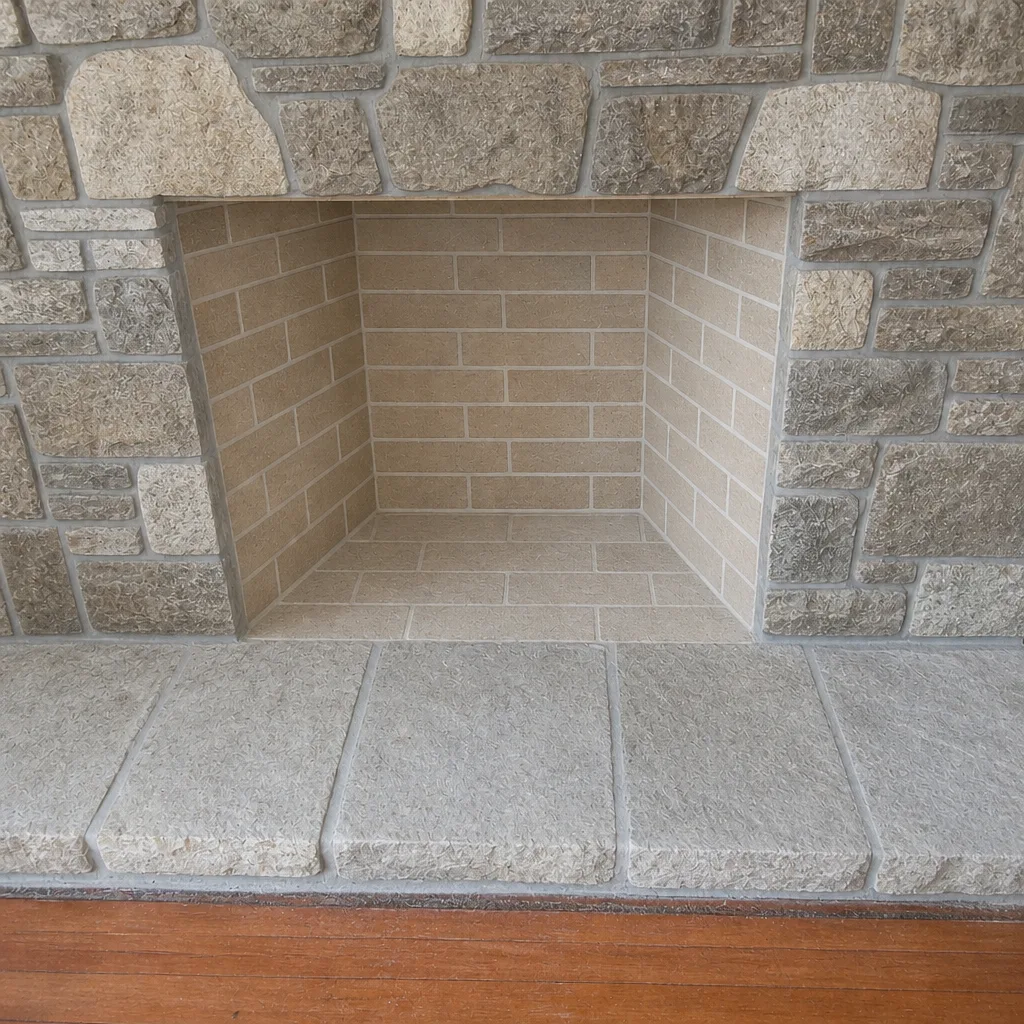
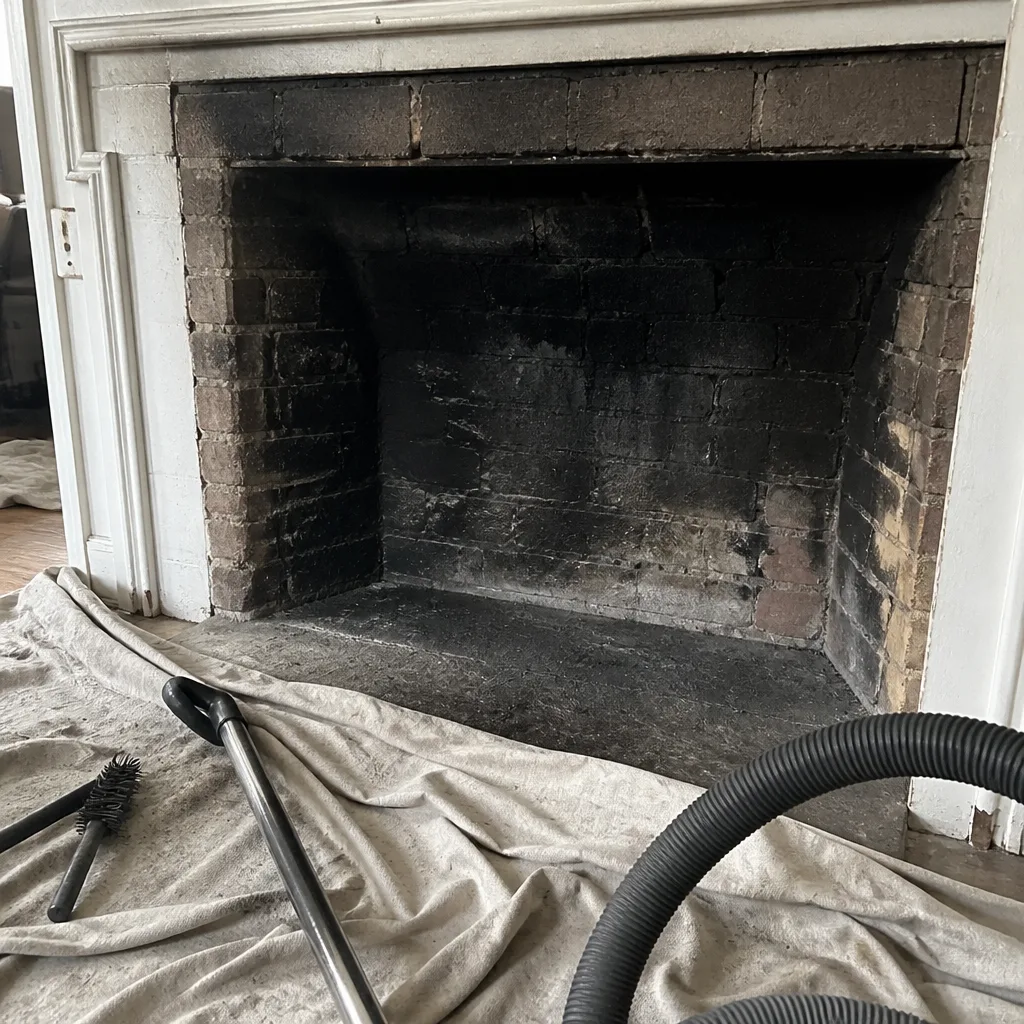
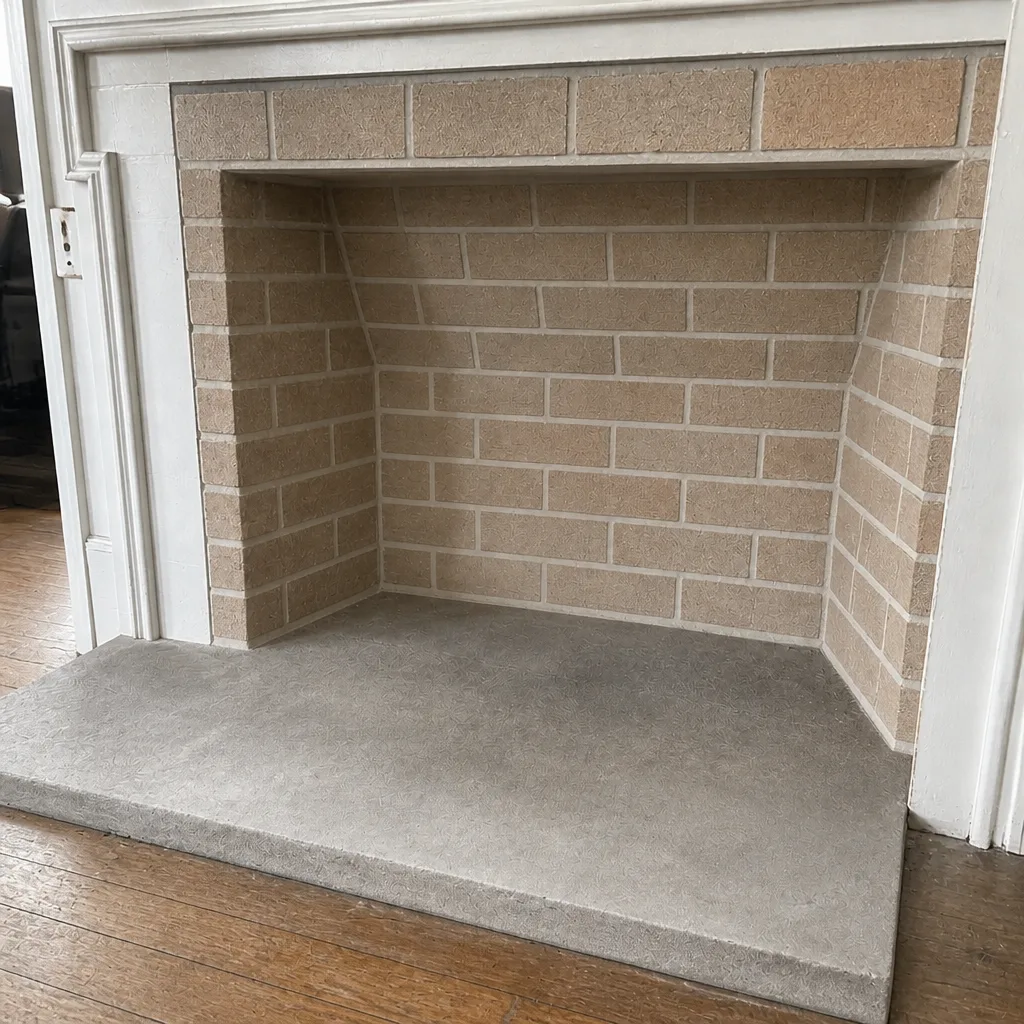
See the difference
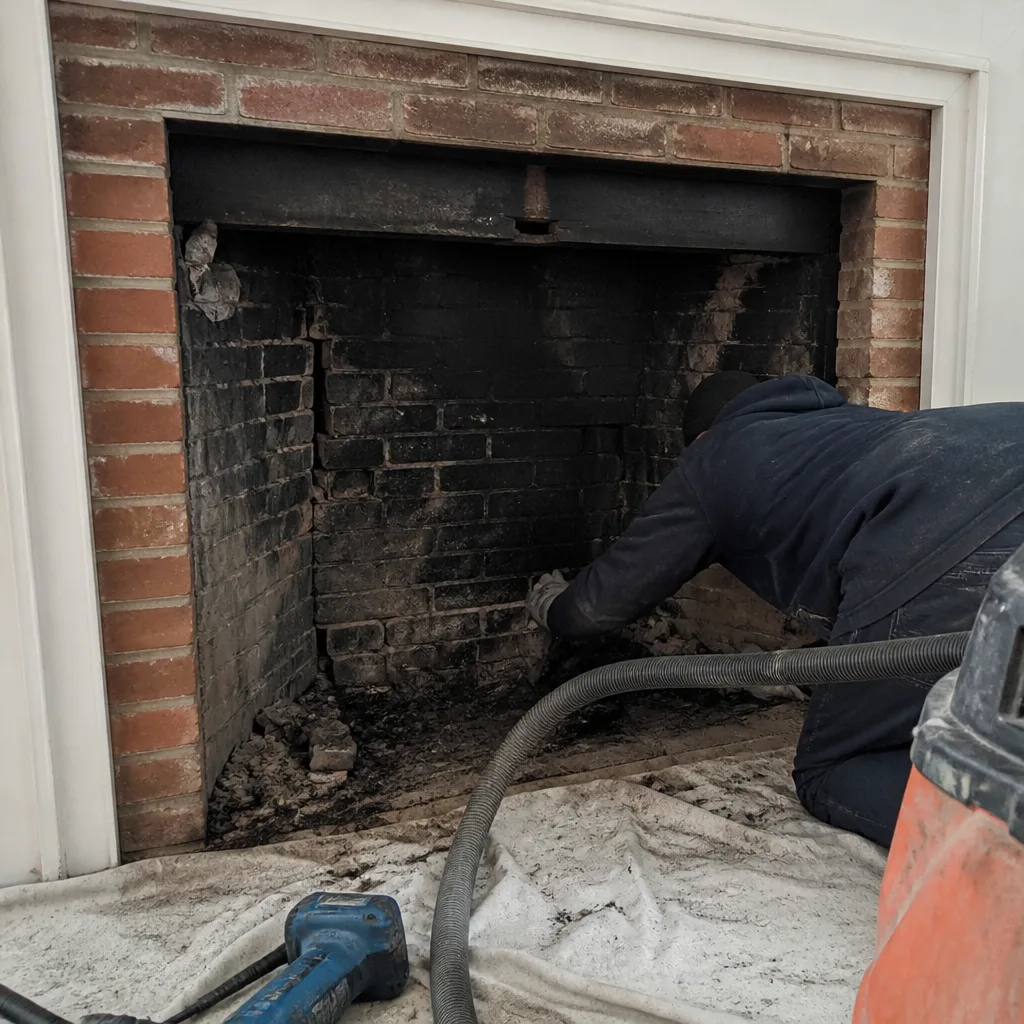 Before
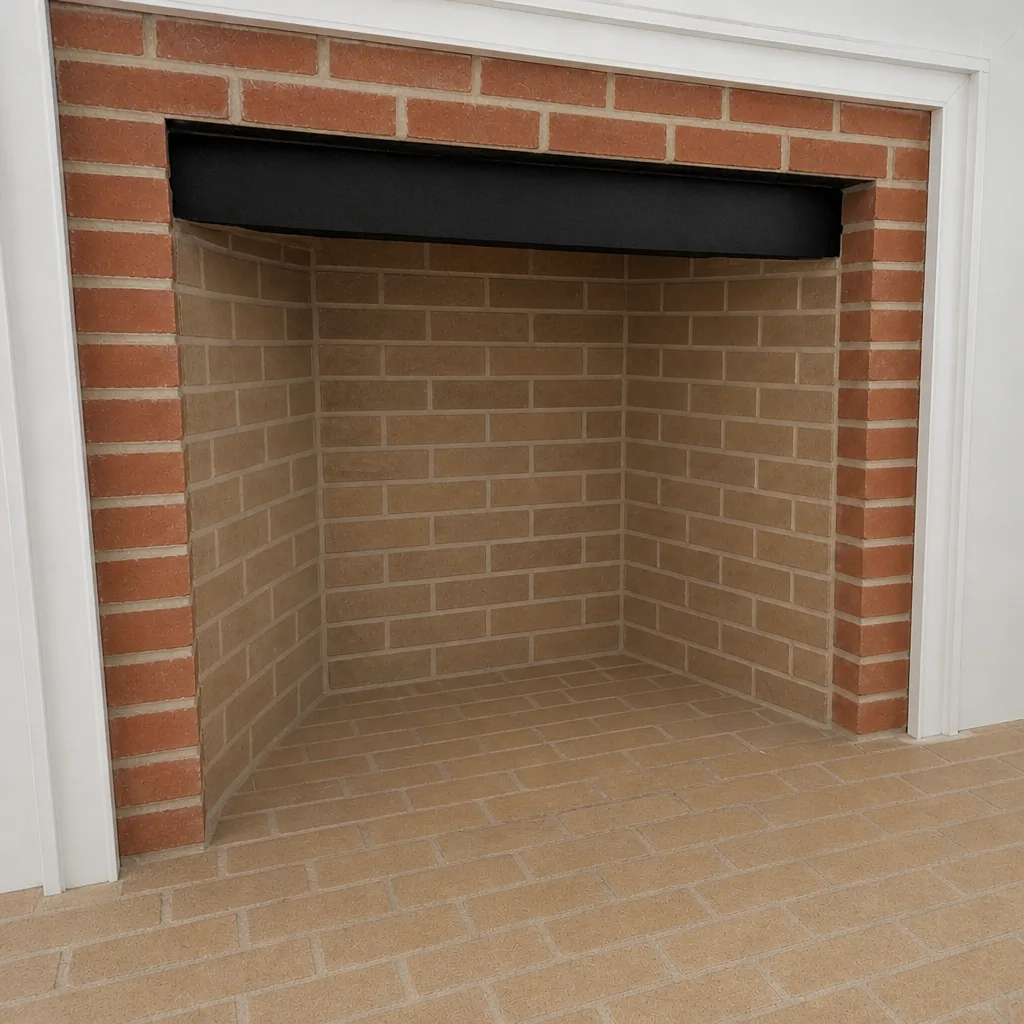 After
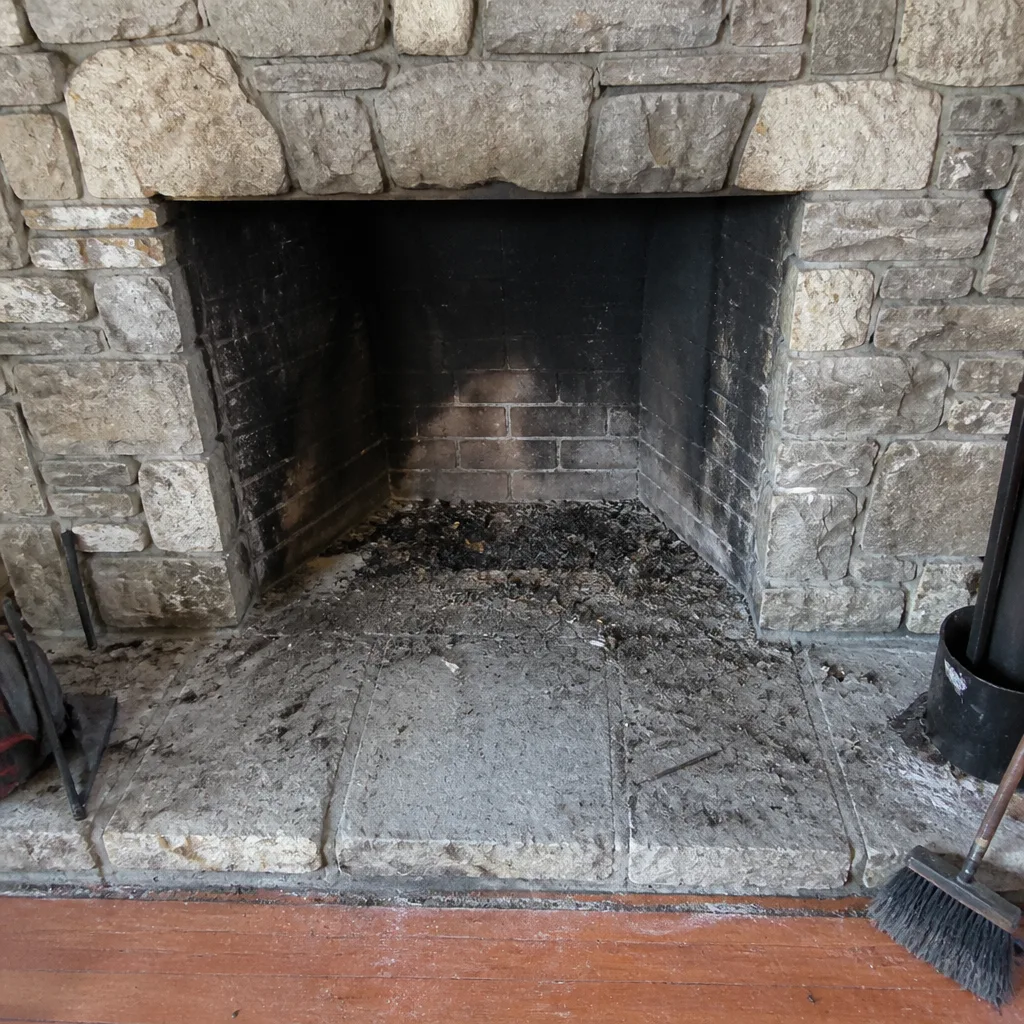 Before
 After
 Before
 After
When to Call a Professional
Call when you have smoke entering the room, when your fire draws poorly, when you notice a musty summer odor that wasn’t there last year, or when you spot cracks in the brick, crown, or cap. Call when a chimney hasn’t been swept in a season or more, and call before you light the first fire of a new season if you aren’t sure of its history. Call when you see or smell anything that suggests a blockage, and stop using the fireplace until someone’s looked at it. Whenever you’re weighing a repair you can’t verify, ask to see the camera footage first. Providence Chimney Cleaning offers free estimates in Providence. For the full range of work we handle on homes across the city, you can start with Providence and we’ll point you to the right next step. Call (833) 315-2861 to book a sweep, a repair, or an inspection. We answer 24/7. Fast dispatch from 7am to 7pm, Sunday through Friday.
Frequently Asked Questions
Most sweeps in the Providence market fall in a typical range of roughly $180 to $340 depending on the flue’s condition, the appliance type, and whether an inspection is included. Repair work is quoted separately once we’ve seen the evidence. A written estimate sets the final price, and our estimates are free. Call (833) 315-2861 for an exact quote.
Only if the camera inspection shows the existing flue can’t be restored. Many compromised flues can be resurfaced with HeatShield rather than fully relined, and some just need a cleaning. A flue that’s cracked through or missing tiles is a genuine reline candidate. We don’t recommend a liner until we can point to the footage that shows why. Call (833) 315-2861 to see the evidence before you decide.
Wood-burning fireplaces are typically swept once a year, more often if you burn heavily. Gas and oil appliances have their own schedules set by the manufacturer and local code. The annual sweep plus an inspection catches the freeze-thaw damage that Providence winters cause. Call (833) 315-2861 to set the schedule.
Creosote builds up and can ignite, causing a chimney fire, and obstructions can cause carbon monoxide to back up into the house. Both are the reasons chimney care is treated as a safety issue rather than optional maintenance. Skipping also lets small masonry cracks widen through winter freeze-thaw. If it’s been more than a season, call (833) 315-2861 to get it checked.
Because the components that matter most degrade fastest. The crown, cap, flue tiles, and mortar joints all wear under repeated wetting and freezing, and a single hard winter can open a hairline crack into a real one. A pass last season is a snapshot, not a permanent status. A fresh inspection each year is the reliable read. Call (833) 315-2861 to book it.
Creosote and soot in the flue absorb humidity from warm summer air and release odor compounds that drift down into the house. It’s a moisture-and-creosote chemistry issue, not simply “buildup.” Cleaning helps, and a properly fitted cap keeps the moisture out at the source. Call (833) 315-2861 for an assessment and a cap check.
The Bottom Line
The problems that show up in a Providence chimney smoke test are almost always traceable to one component: a short stack, a cap of the wrong geometry, a flue sized for a different appliance, an obstruction, or masonry moving under the freeze-thaw cycle. Reading the symptom correctly saves you money, because each cause has its own repair. A camera inspection shows you what’s really happening instead of asking you to take a recommendation on faith. Our technicians have up to 12 years of experience reading these symptoms, and our estimates are free. For sweep, repair, and inspection handled by one team, contact Providence Chimney Cleaning. Call (833) 315-2861. We answer 24/7. Fast dispatch from 7am to 7pm, Sunday through Friday, and same-day booking is often available.
Written by the team at Providence Chimney Cleaning.