
Last updated November 16, 2026
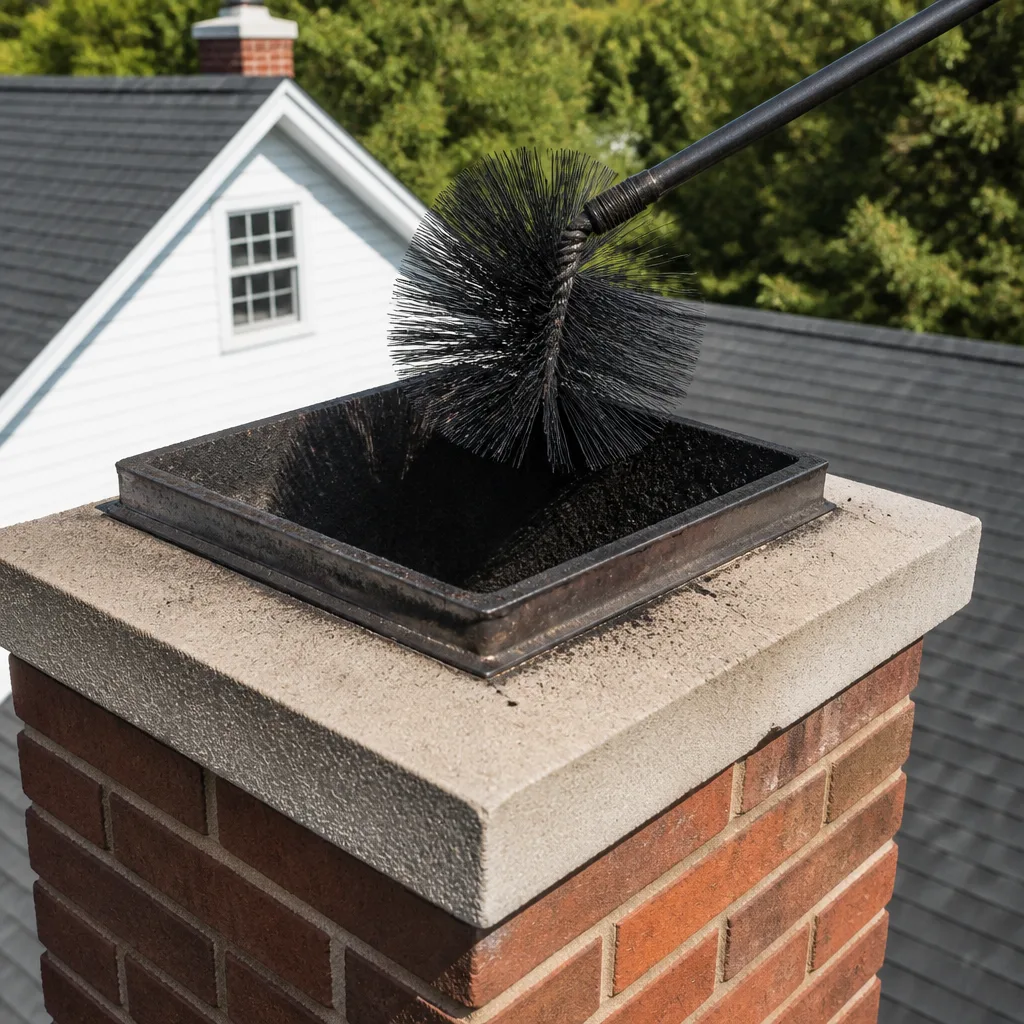 Sweep & inspection
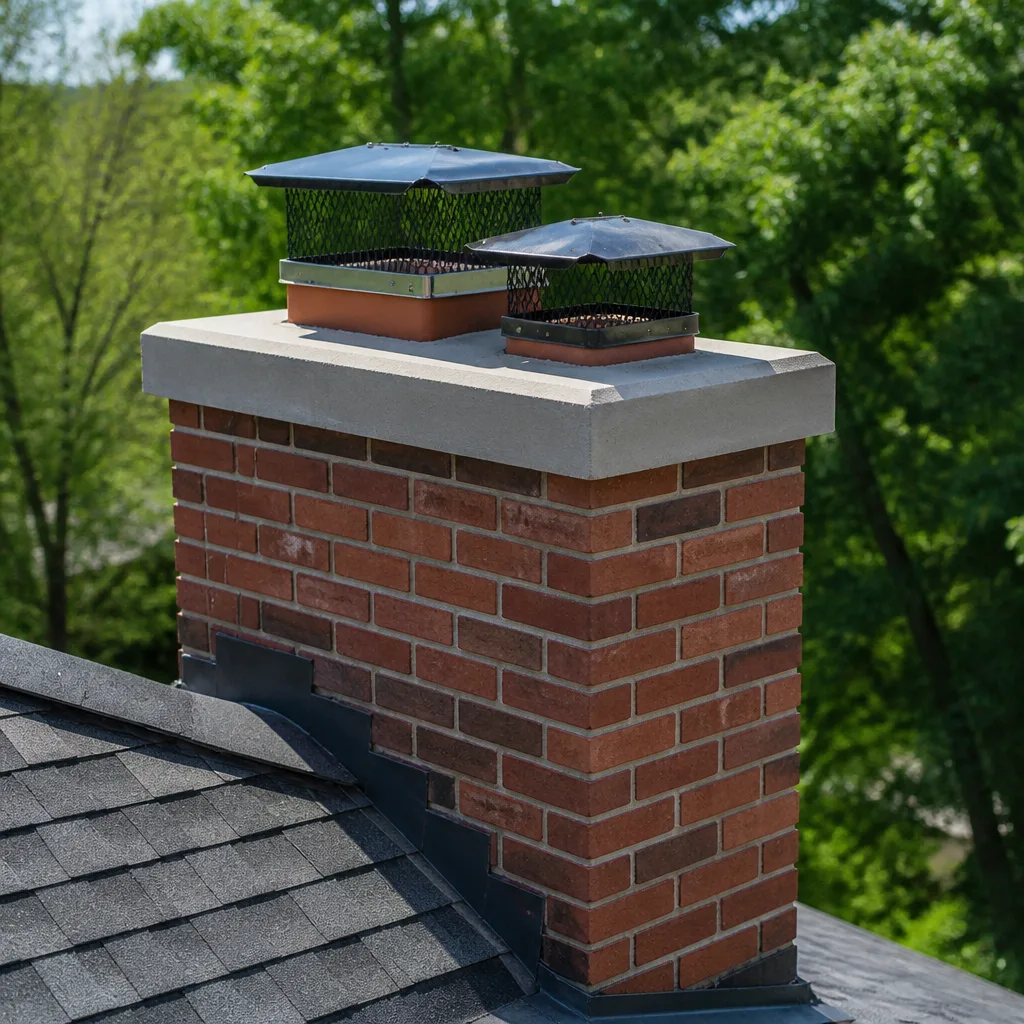 Caps & crowns
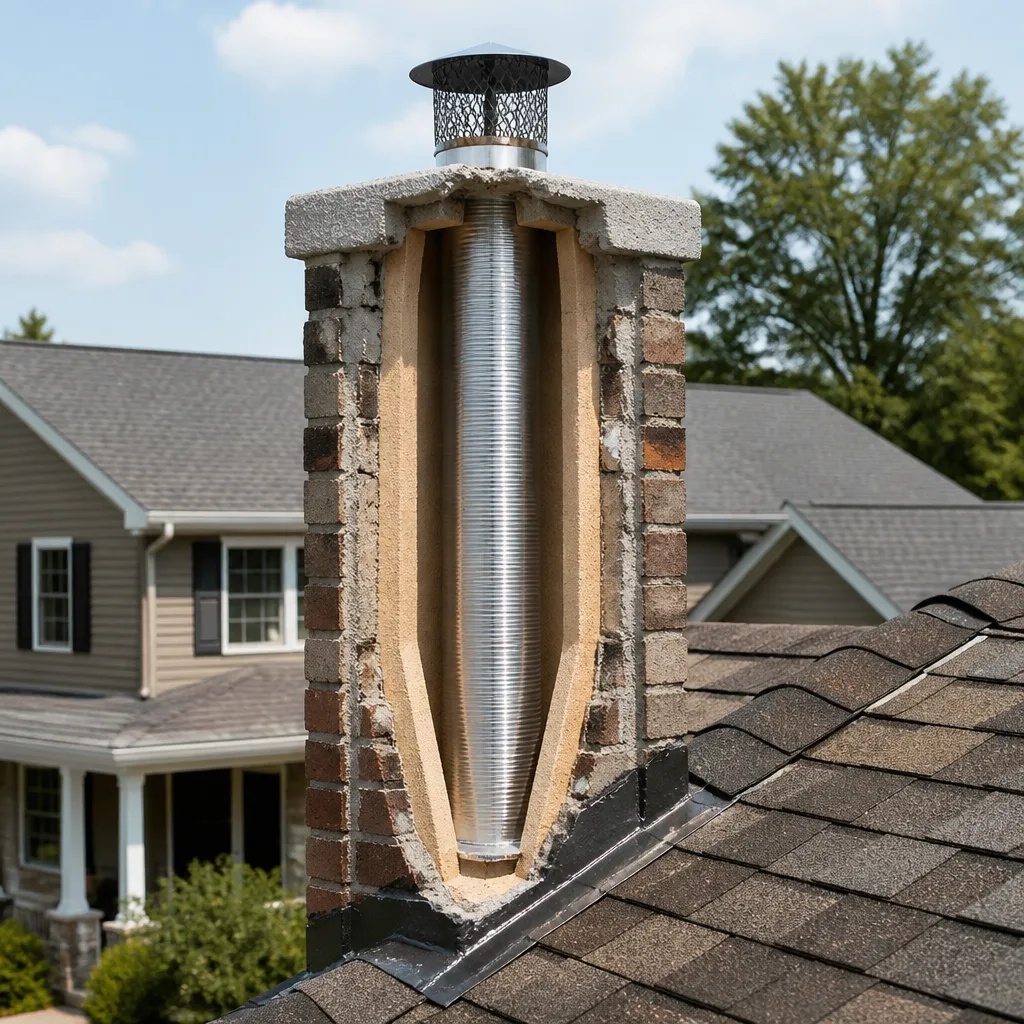 Flue relining
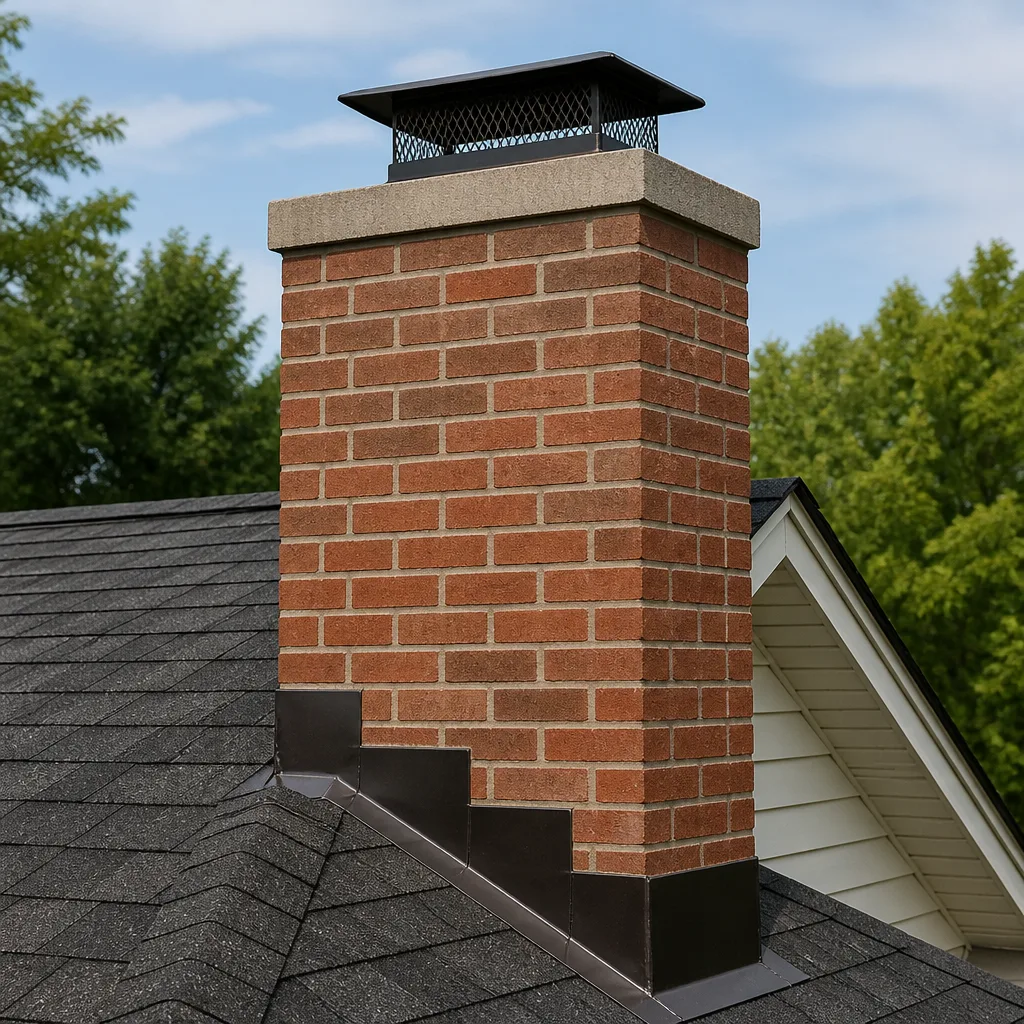 Masonry repair
 Gas fireplace service
Level 1 sweep and inspection to the NFPA 211 annual standard - flue, crown, cap, and flashing checked and photographed
Chimney sweep logs do not sweep chimneys. They loosen some creosote - which then falls where a brush and vacuum still have to collect it.
The Complete Guide to Chimney Cleaning in Providence
Most homeowners in Providence think of chimney cleaning as a brush, a vacuum, and a half hour of somebody’s time. That assumption is the problem. Providence has one of the highest concentrations of pre-1950 wood-frame homes in New England, and a large share of them are still running original flues, parged liners, or patchwork repairs done decades ago with whatever was available. A brush-and-go visit cannot evaluate that kind of system, and it was never designed to. What follows is a guide to chimney cleaning in Providence as a diagnostic process rather than a commodity: what our technicians look for, how inspections differ, why the city’s housing stock and bay humidity change the math, and how to read a sweep report so you can decide what’s real.
Quick Answer
Chimney cleaning in Providence is the mechanical removal of creosote, soot, and blockages from the flue, paired with an inspection that evaluates the liner, mortar joints, cap, and draft. Most wood-burning chimneys need cleaning annually or roughly every cord of wood burned, and any chimney that has never been inspected should get a Level 2 inspection before the next fire. A proper sweep is measured in evidence, not guesses: what comes off the flue walls, what the camera shows, and what the report recommends.
Styles & brands we work with
- Sweep & inspection
- Caps & crowns
- Flue relining
- Masonry repair
- Gas fireplace service
Table of Contents
- Why Providence Chimneys Are Different
- Level 1, Level 2, and Level 3 Inspections Explained
- What a Full-Service Chimney Sweep Actually Does
- Bay Humidity, Mortar Spalling, and Cleaning Frequency
- Creosote: The Three Stages and What They Mean
- How to Read a Chimney Sweep Report
- Repair Paths: HeatShield Resurfacing and DuraFlex Relining
- What Chimney Work Costs in Providence
Why Providence Chimneys Are Different
The housing stock in Providence shapes almost every cleaning decision. Triple-deckers built between roughly 1890 and 1930, the Victorians on the East Side and in Elmwood, and the smaller mill-era homes in Olneyville and Federal Hill share a few structural traits that matter for chimney care. Many were built with multiple flues in a single stack, each serving a different heating appliance. When an oil furnace or gas boiler replaces a coal stove, the flue it vents into may not be sized correctly for the new appliance. That mismatch is invisible from the hearth and shows up only on inspection.
Older Providence homes also tend to have soft, lime-rich mortar in the flue and at the crown. It holds up for decades in dry conditions and degrades faster when it cycles through wet and dry seasons. Original clay tile liners crack when a chimney settles or when a fire burns too hot. The result is a class of problem you’ll see over and over in this city: a chimney that drafts poorly, stains the brick at the top, or smells like smoke on damp days, all of which point back to the liner or the crown rather than the firebox.
Finally, heating habits vary block to block. Some homes burn hardwood steadily through the winter. Others use a gas insert for convenience and light the fireplace a few times a year. Those two houses need different service intervals and different inspection scopes. That’s why a single flat “annual sweep” rule doesn’t really apply here. What applies is the principle that your chimney is a venting system first, a fireplace second, and every decision should be made on that basis.
Level 1, Level 2, and Level 3 Inspections Explained
The CSIA inspection levels describe how far an inspector goes, not how much the visit costs. Most people hear “inspection” and picture one service, but the scope changes substantially depending on the level. Understanding the difference is the single best defense against being talked into work you don’t need, or missing work you do.
Level 1 Inspection
A Level 1 inspection covers the readily accessible portions of the chimney: the firebox, damper, smoke chamber, flue as visible from the top and bottom, and the exterior at ground level. It’s the standard inspection during a routine annual sweep when the appliance hasn’t changed and the chimney is in known condition. It’s fast, non-invasive, and appropriate when nothing in the system has been altered.
Level 2 Inspection
A Level 2 inspection adds a video camera scan of the entire flue interior and covers accessible attics, crawl spaces, and basements where the chimney passes through. It’s required in specific circumstances: after a chimney fire, when the property changes hands, when a new appliance is installed, or when the fuel type changes. For most Providence homes with original liners, a Level 2 is the inspection that actually tells you what’s happening inside the flue.
Level 3 Inspection
A Level 3 inspection is diagnostic and may require removing parts of the chimney or surrounding structure to access concealed areas. It’s reserved for suspected hidden damage, such as after a significant chimney fire or when the camera scan reveals a defect that can’t be evaluated any other way. Level 3 is rare, and any recommendation for one should come with a clear explanation of what specifically is being investigated and why.
What a Full-Service Chimney Sweep Actually Does
A generalist handyman with a brush typically cleans what’s visible from the hearth and leaves. A full-service sweep in Providence walks a defined sequence so that cleaning and inspection feed each other. The order matters because dirt hides defects, and defects change how cleaning should proceed. Here’s the sequence our technicians follow, start to finish.
- Pre-inspection walkthrough. Check the appliance, look for obvious blockages or animal nests, confirm the damper operation, and ask what fuel has been burned and how often.
- Protect the interior. Lay drop cloths, seal the fireplace opening, and set up a HEPA vacuum so no soot ends up on your furniture or in the room.
- Clean the firebox and smoke chamber. Remove ash and soot, then work the smoke chamber above the damper, which is the area most often skipped by quick sweeps and the coil of a chimney fire once creosote builds there.
- Sweep the flue. Run the appropriate brush through the full flue from top to bottom, matching the brush type to the liner material so a wire brush never scores clay tile or a soft HeatShield surface.
- Clean the damper and firebox throat. Verify the damper opens fully and closes cleanly.
- Inspect the crown, cap, and flashing. Confirm the cap is intact and properly sized, the crown sheds water, and the flashing isn’t letting rain track down the flue.
- Camera scan. Run a video inspection of the liner to photograph joints, cracks, offsets, and any creosote residue left behind.
- Produce the report. Document findings with images and a written recommendation, separating what needs attention now from what can wait.
That’s the difference between a cleaning and a proper service. When we specify the product for a job, whether an Olympia Chimney cap or a Famco flue component, it’s because the correct fit matters as much as the cleaning itself.
Bay Humidity, Mortar Spalling, and Cleaning Frequency
Humidity from Narragansett Bay affects the exterior of a chimney as much as anything happening inside it. Brick is porous, and the mortar between bricks absorbs moisture during humid stretches. When temperatures drop below freezing, that moisture expands and begins to break down the mortar. Over repeated seasons, the mortar face flakes away, a process called spalling. Once the mortar matrix weakens, water reaches the bricks themselves, and the damage accelerates.
What does this have to do with cleaning frequency? Two things. First, a spalling crown or deteriorated mortar joint lets water into the flue, which causes creosote to combine with moisture and become harder to remove. That often shows up as a glossy, tar-like glaze rather than a loose, flaky deposit. Second, water-damaged flues need more frequent evaluation because small cracks can widen quickly. In Providence and the surrounding neighborhoods, we routinely see chimneys that need an inspection in spring and a sweep before the heating season, rather than a single annual visit.
The practical recommendation: use the condition of the crown and cap as your frequency cue. If the crown sheds water cleanly and the cap is intact, annual cleaning is generally enough for a wood-burning fireplace. If the crown is cracked, the cap is loose, or you’re seeing dark staining or white efflorescence on the brick, the chimney should be evaluated more often until the water intrusion is fixed. Water is the quiet problem in this city, and it never stays contained to the brick.
Creosote: The Three Stages and What They Mean
Creosote is the reason chimney cleaning isn’t optional. It’s a byproduct of incomplete combustion, and it accumulates on the inner walls of the flue. It’s also flammable. The three recognized stages describe both how it forms and how hard it is to remove. Knowing which stage you’re looking at tells you how urgently the chimney needs sweeping and what method will actually get it clean.
- Stage 1: Sooty and flaky. Soft, dust-like creosote that brushes off easily. It’s normal for a well-run wood fireplace and the reason annual cleaning keeps things in check.
- Stage 2: Crumbly and crusty. Harder deposit that builds when the fire burns cooler or the wood is damp. A standard brush will still remove it, but skipping a cleaning lets it thicken into the dangerous category.
- Stage 3: Glazed and hard. A tar-like, glassy coating bonded to the flue wall. Standard brushes won’t remove it. Stage 3 creosote is the most common fuel for a chimney fire and requires specialized removal methods, sometimes chemical treatment followed by mechanical scrubbing.
Once Stage 3 creosote is present, cleaning and inspection become urgent. Burn seasoned wood, keep the fire hot enough to draft properly, and have the chimney swept at the right interval. Those habits are what keep creosote at Stage 1 and Stage 2. If you’ve moved into a Providence home where the previous owner burned green wood or infrequently, assume the flue needs a camera inspection before the first fire, regardless of when it was last swept.
How to Read a Chimney Sweep Report
A sweep report should give you enough information to make your own decision. If it doesn’t, ask for more before you sign anything. Here’s how to read one the way a technician does.
- Look for the inspection level. The report should state whether a Level 1, Level 2, or Level 3 inspection was performed. A pricing sheet with no level indicated is a red flag.
- Find the images. A camera scan of the flue should produce photos or video stills. If the report recommends liner work, the justification should be visible in those images, not just described in text.
- Read the findings in plain language. Look for specific defects: cracked tile at a specific joint, missing mortar, an offset at a stated depth. Vague language like “deteriorated liner” needs a photo and a location.
- Separate “now” from “later.” A trustworthy report distinguishes safety-critical repairs from maintenance items that can wait. Anything urgent should come with a reason.
- Check the cap and crown section. These are exterior components often skipped in reports. Missing or undersized caps are a frequent and inexpensive fix in Providence.
- Ask about the parts. If the report recommends a new cap or flue component, ask what brand and model. Proper chimney hardware is specific to the flue size and appliance, not interchangeable with a hardware-store substitute.
When the report is clear, the repair decision becomes straightforward. When it isn’t, ask questions until it is. A specialist should be able to explain why a repair is needed and what evidence supports it, and should be comfortable telling you when work can safely wait.
Repair Paths: HeatShield Resurfacing and DuraFlex Relining
When a Providence flue needs work beyond cleaning, the repair path depends on what’s actually damaged. Two professional approaches cover most cases, and both are contractor-grade rather than patch solutions.
HeatShield resurfacing restores a compromised clay tile flue without full replacement. The system applies a specialized repair compound to the interior, sealing cracks and restoring a smooth, continuous surface. It’s the right choice when the flue tile is cracked or jointed but the overall structure is sound. A properly resurfaced flue drafts better and resists further degradation from moisture.
DuraFlex relining installs a flexible stainless steel liner inside the existing chimney. It’s used when the original flue is too damaged to resurface, when the appliance requires a correctly sized flue, or when an old masonry flue needs a modern, code-compliant venting path. A DuraFlex liner is a durable, professional-grade solution used by chimney contractors nationwide, not a temporary fix.
Both approaches come with supporting hardware from suppliers like Olympia Chimney and Famco, including caps and termination components that keep weather out. For homeowners, the practical point is that the repair should match the diagnosis. If the camera shows sound tile with a single cracked joint, resurfacing may be all you need. If the flue is undersized for the appliance or structurally failing, relining is the appropriate path. The right choice comes from the inspection, not from a sales script.
What Chimney Work Costs in Providence
Costs for chimney work in Providence vary with the home’s age, the flue configuration, and the level of inspection performed. Prices are set per job by a written estimate, and the ranges below are typical for the market rather than exact quotes.
- Standard chimney sweep (Level 1 included): typical range for a single-flue wood fireplace.
- Level 2 inspection with camera scan: priced higher than a sweep, often bundled with cleaning when appropriate.
- HeatShield resurfacing: varies by flue length and number of flues.
- DuraFlex relining: depends on liner length, diameter, and termination hardware.
- Cap, crown, and flashing repairs: typically the smallest line item and the most cost-effective to handle early.
For an exact figure, the written estimate sets the final price. Two things keep that estimate honest: a clear inspection level stated in the report, and a repair recommendation backed by camera images you can see yourself. If a quote proposes major liner or masonry work without visual evidence, ask for it before agreeing. That single habit prevents most of the overspending in this trade.
Common Mistakes to Avoid
- Treating a sweep as a commodity. The cheapest brush-and-go in Providence often skips the smoke chamber and the camera scan, so the two areas most likely to hold hidden damage never get looked at. The money you save on the sweep gets spent on a missed defect later.
- Skipping the inspection after a chimney fire. Even a small fire can crack tile or warp a liner. A sweep won’t discover the damage; a Level 2 inspection will.
- Burning unseasoned wood. Damp wood burns cool and leaves Stage 2 and Stage 3 creosote faster than dry hardwood. Seasoned wood costs a bit more and saves the flue.
- Ignoring the crown and cap. Water intrusion is the slowest and most expensive chimney problem in a humid city. A cracked crown or missing cap is cheap to fix now and costly to repair later.
- Assuming a gas insert doesn’t need service. Gas appliances vent too, and a blocked or improperly sized flue is a carbon monoxide risk, not just a draft issue. Annual inspection still applies.
- Letting a generalist handle liner work. Resurfacing and relining require specific materials and flue sizing. A handyman with a brush can’t do a proper HeatShield application or a DuraFlex install, and shouldn’t try.
- Accepting a repair quote without images. If the recommendation doesn’t come with photos you can see, ask for them. That’s the simplest check against being oversold.
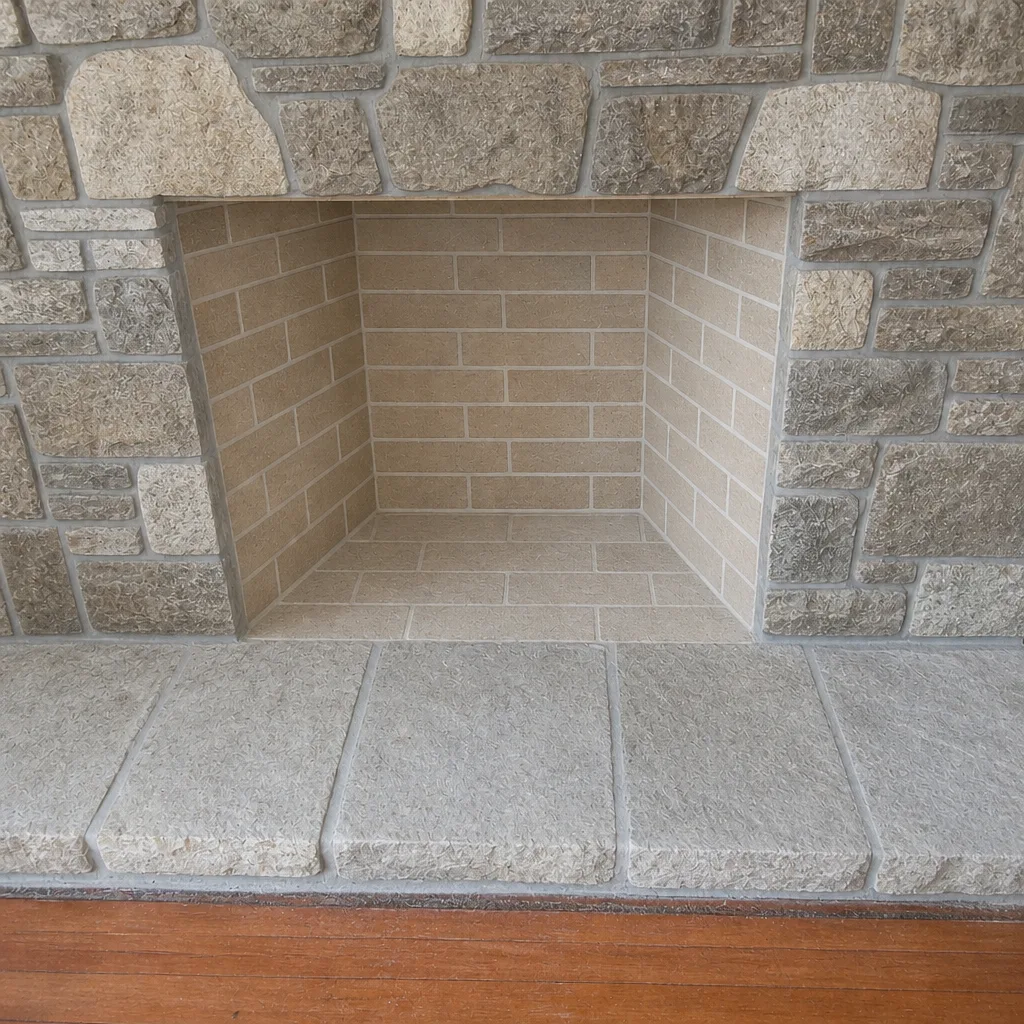
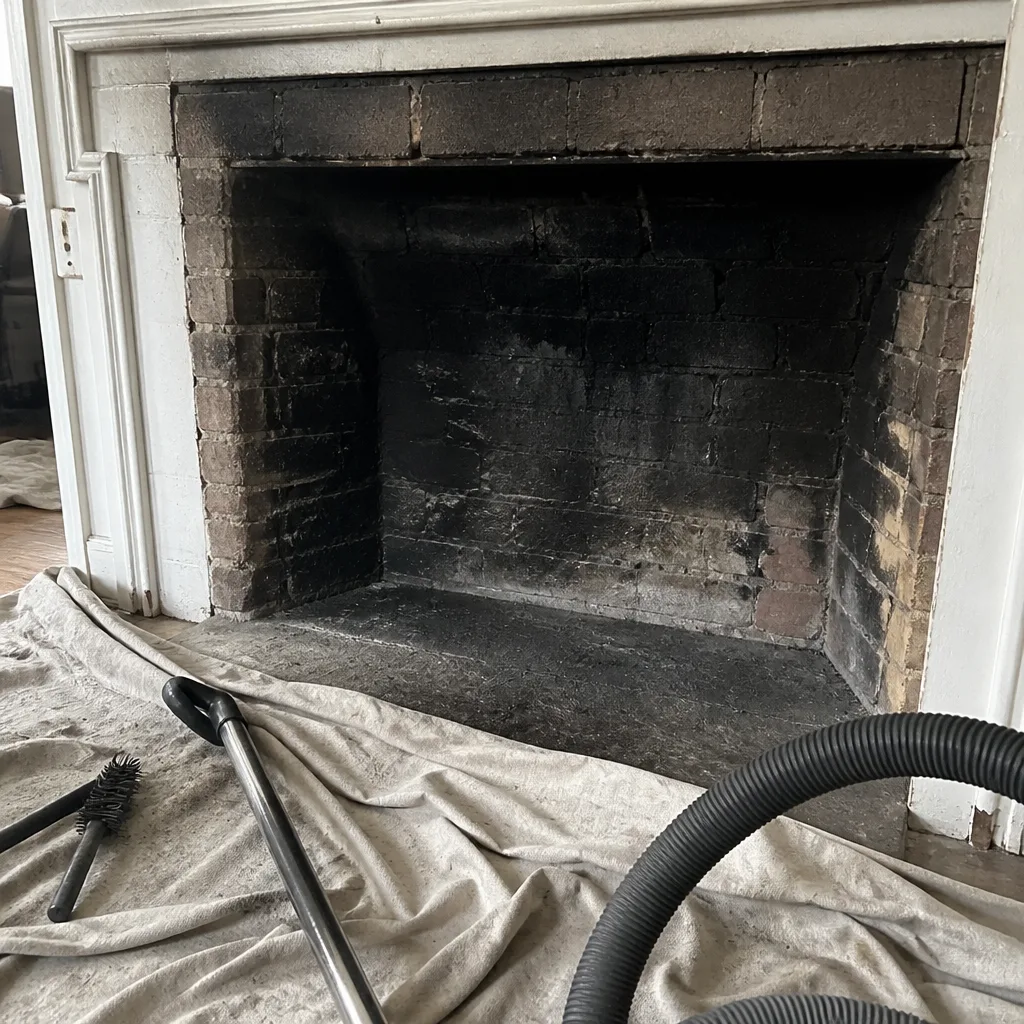
See the difference
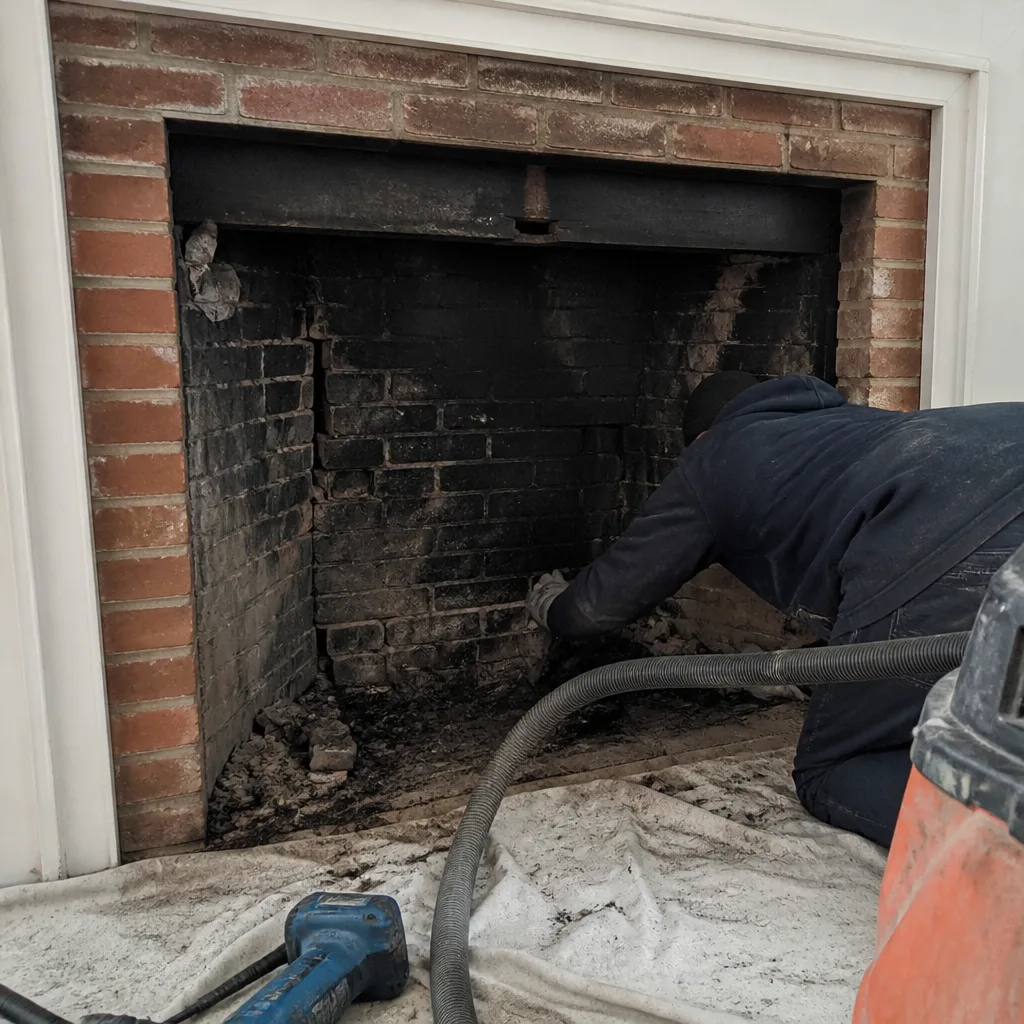 Before
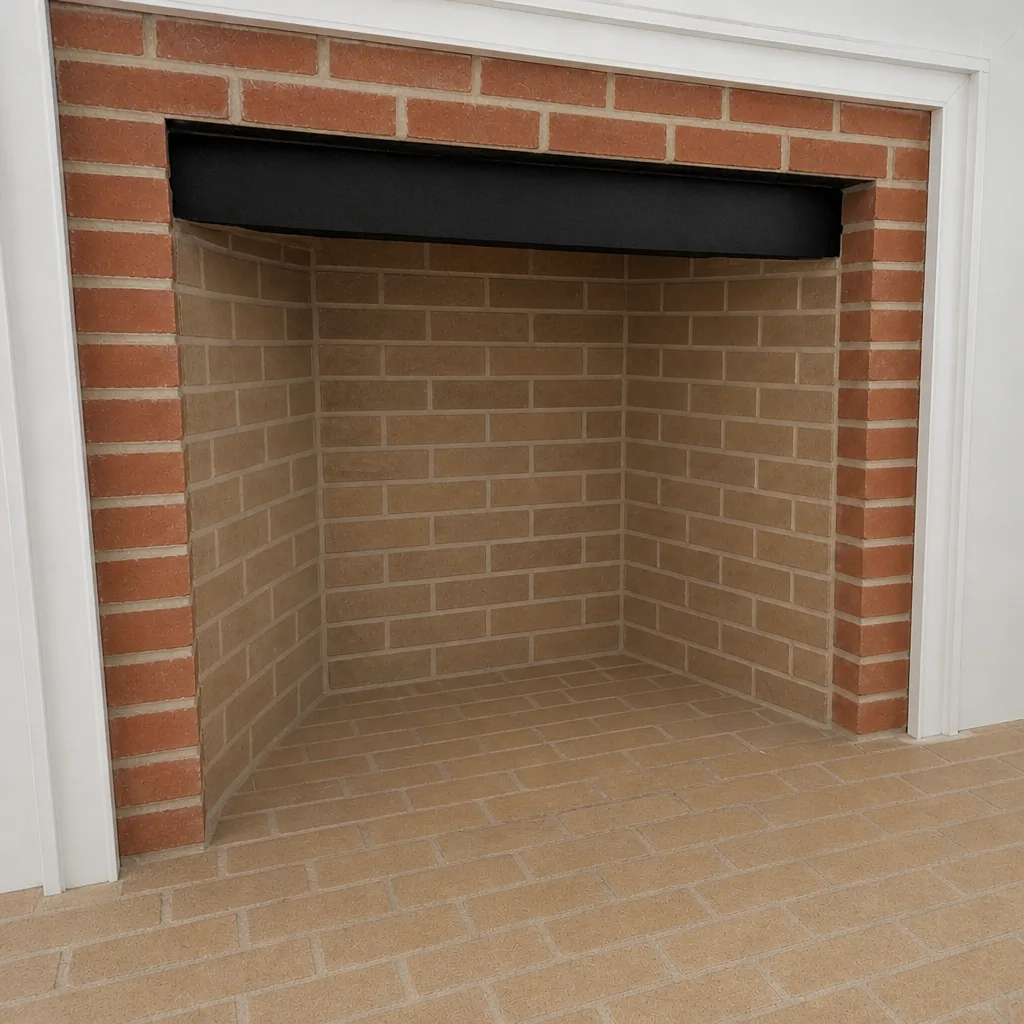 After
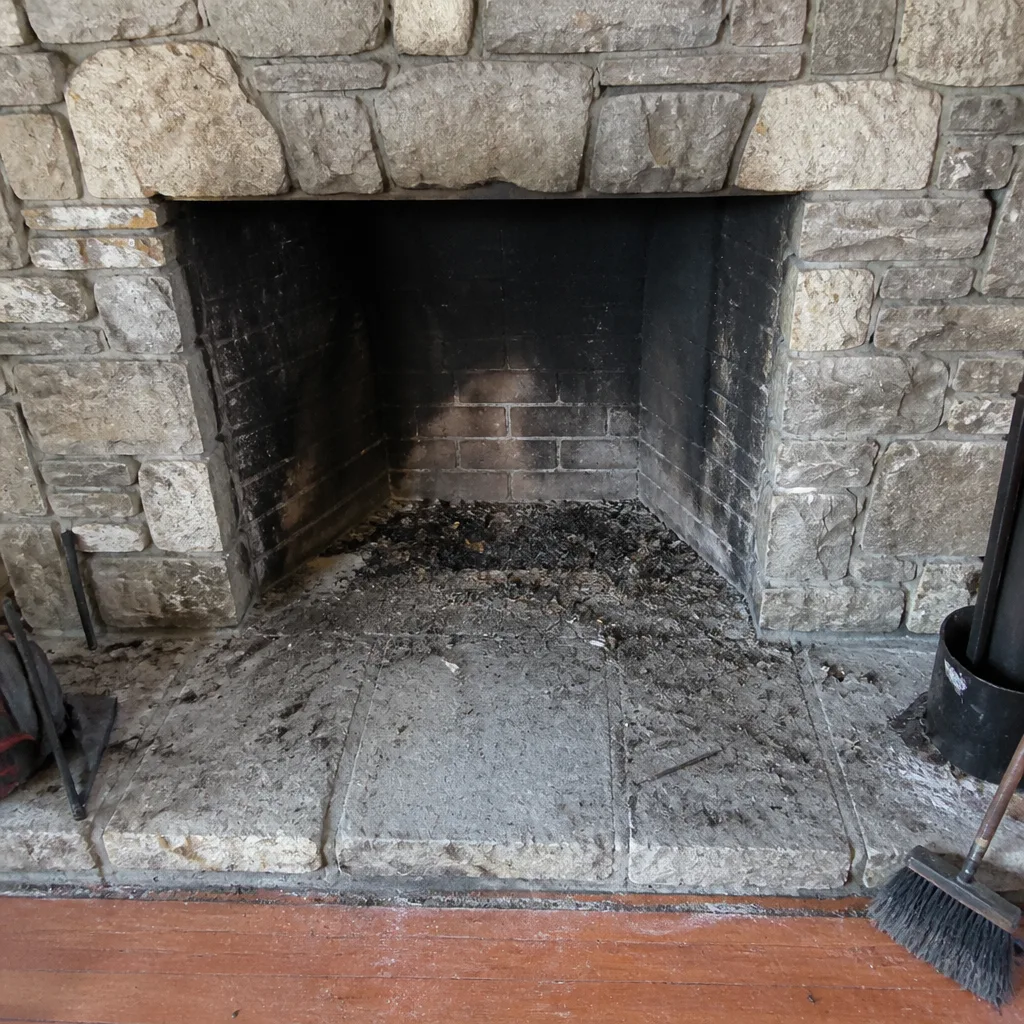 Before
 After
 Before
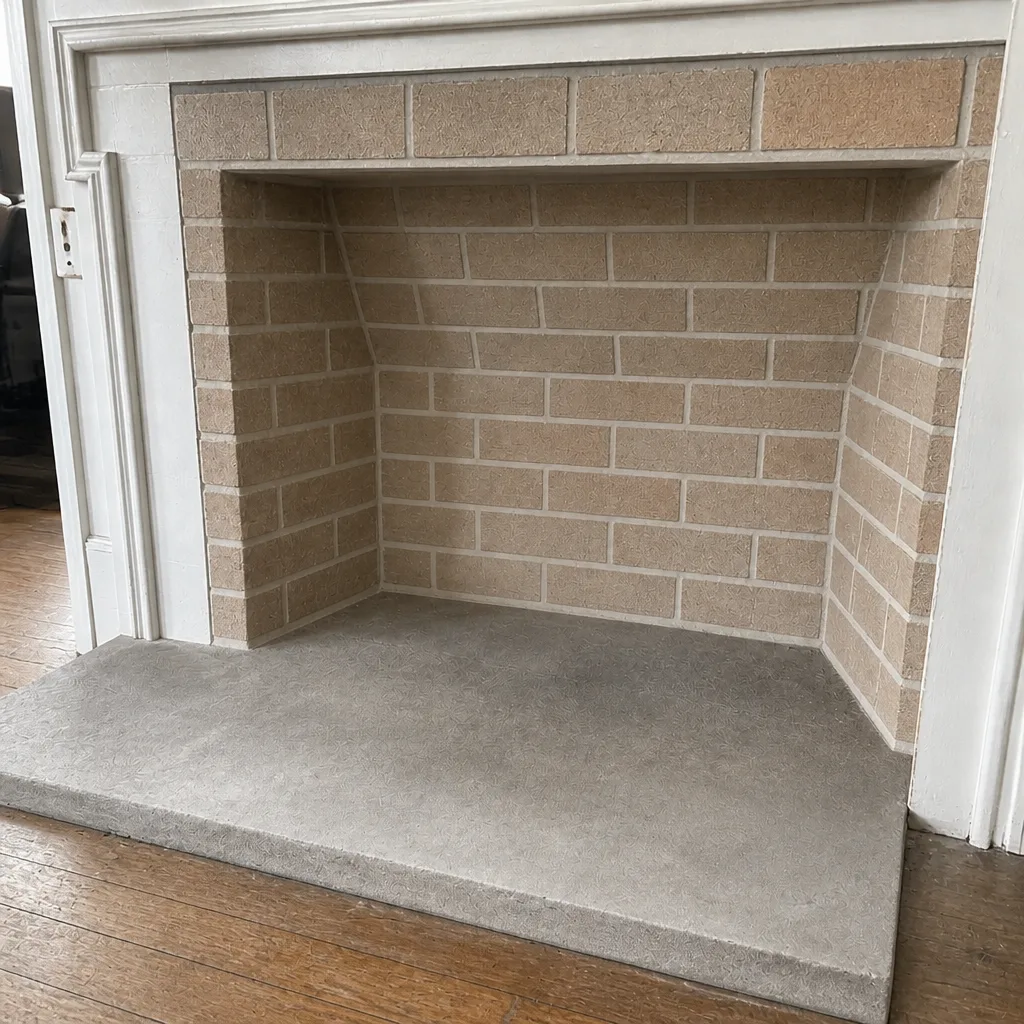 After
When to Call a Professional
Some situations clearly require a trained technician. Call us if you’ve had a chimney fire, if you smell smoke in the room when the fireplace is lit, if the fire drafts poorly or smokes out, if you see staining or white powder on the exterior brick, if the damper sticks, or if there’s an animal nest or blockage in the flue. Schedule a visit if you’ve just bought a Providence home and don’t have a documented inspection, or if you’re switching fuel types. A gas appliance that vents into the chimney should still get an annual inspection, not because it’s burning wood but because carbon monoxide doesn’t announce itself. If you’re unsure whether the issue is urgent, call anyway.
To book a sweep or a standalone inspection, reach out to Providence Chimney Cleaning and we’ll walk you through what your chimney needs. Providence Chimney Cleaning offers free estimates in Providence, and our technicians have up to 12 years of experience. Call (833) 315-2861. We answer 24/7. Fast dispatch from 7am to 7pm, Sunday through Friday.
Frequently Asked Questions
Most wood-burning chimneys in Providence should be swept annually, or roughly every cord of wood burned, whichever comes first. Gas and oil appliances should be inspected annually even when no wood is burned. Homes with a cracked crown or cap in this humid climate may need more frequent evaluation until the water intrusion is addressed. Call (833) 315-2861 for an exact quote – estimates are free.
A standard sweep in Providence is a small line item compared with repair work, and a Level 2 inspection with a camera scan costs more because it does more. The written estimate sets the final price, so ask for a clear scope before agreeing. Call (833) 315-2861 for an exact quote – estimates are free.
Only if the camera scan shows that resurfacing won’t fix the problem. A cracked tile in an otherwise sound flue can often be restored with HeatShield resurfacing, which is cheaper than full relining. A new DuraFlex liner is appropriate when the flue is undersized, structurally failing, or unable to vent the appliance safely. Ask to see the images before you decide, and if none are offered, request them. Call (833) 315-2861 for an exact quote – estimates are free.
A legitimate sweep states the inspection level in the report, uses a camera to scan the flue, provides photographs of any defect, and separates urgent repairs from work that can wait. Expect a sweep to remove creosote and an inspection to evaluate the flue, not to sell you work on the spot. Call (833) 315-2861 for an exact quote – estimates are free.
Creosote builds past Stage 1 into crusty and then glazed deposits, and the glazed stage is the fuel for a chimney fire. A blocked or damaged flue also lets carbon monoxide back into the home instead of venting it outside. Those are the two real risks, and they grow every season a chimney goes unchecked. Call (833) 315-2861 for an exact quote – estimates are free.
Yes. Gas appliances still vent through the chimney, and a blocked, cracked, or incorrectly sized flue is a carbon monoxide hazard even without burning wood. An annual inspection catches venting problems that don’t produce visible smoke. Call (833) 315-2861 for an exact quote – estimates are free.
The Bottom Line
Chimney cleaning in Providence is a diagnostic process, not a brush-and-go chore. The city’s pre-1950 homes, multiple-flue stacks, and bay humidity make the typical annual sweep necessary but not sufficient. Understand the three inspection levels, insist on a camera scan with photographs, and read the report so the difference between urgent and optional work is clear. Creosote at Stage 3 is the fuel for a chimney fire, and water intrusion is the slow destroyer. For a sweep, a standalone inspection, or chimney repair, call (833) 315-2861 for a free estimate. To learn how a chimney sweep visit works in practice, or what a full-service specialist looks like in Providence, we’re glad to walk you through it.
Written by the team at Providence Chimney Cleaning.