
Last updated November 16, 2026
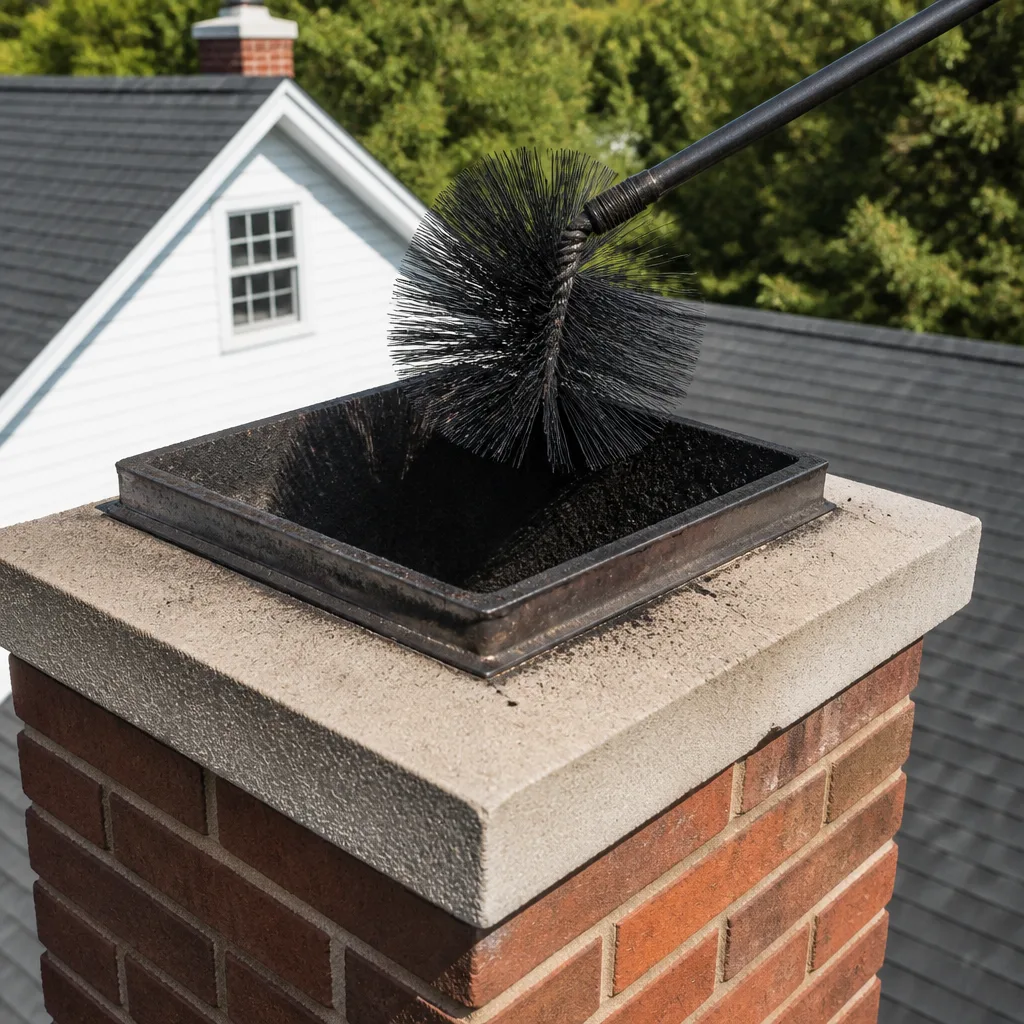 Sweep & inspection
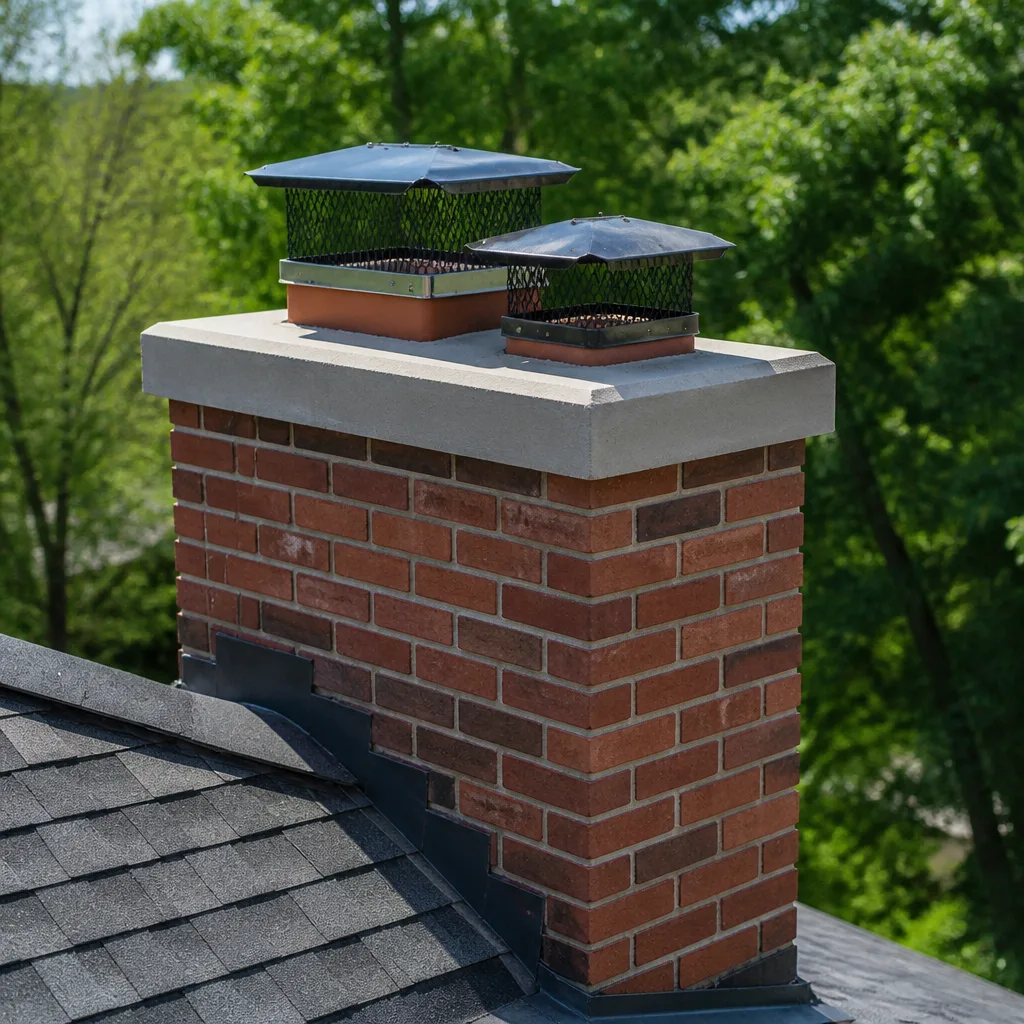 Caps & crowns
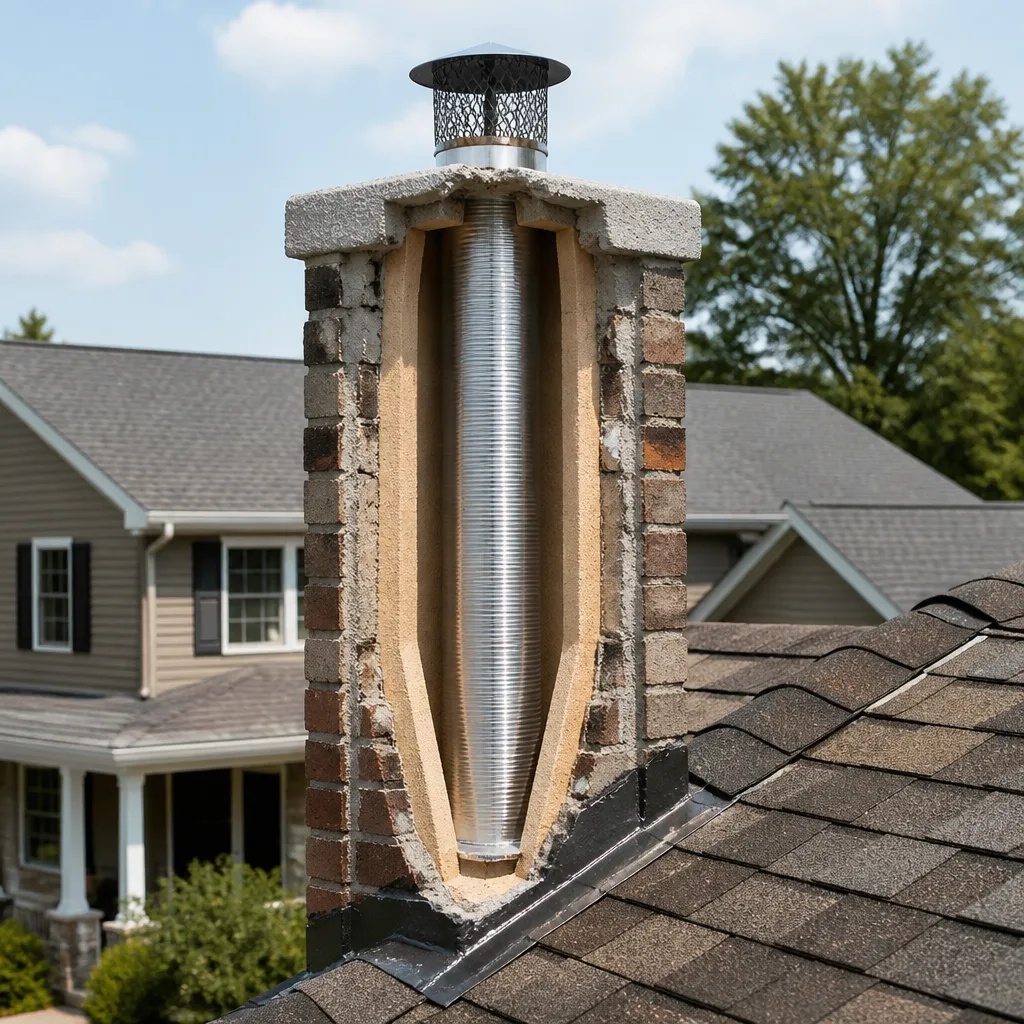 Flue relining
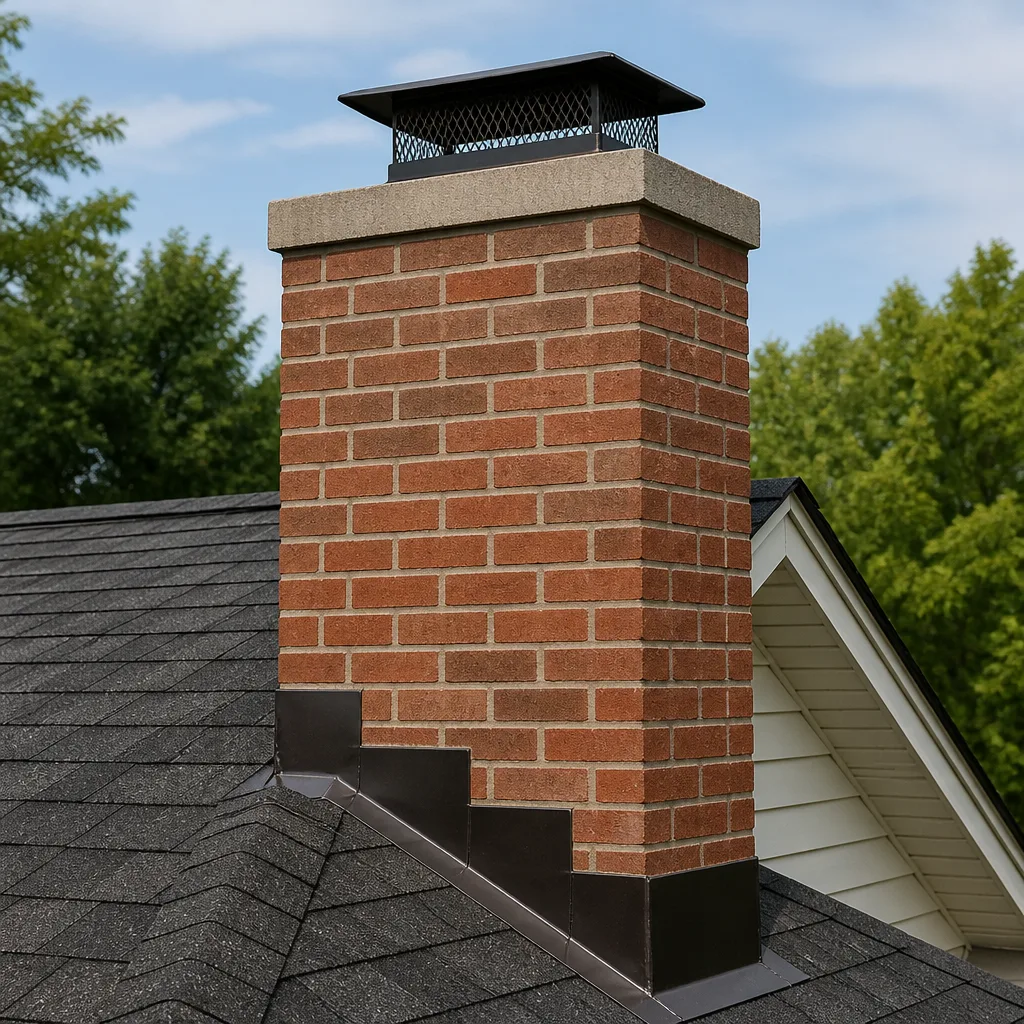 Masonry repair
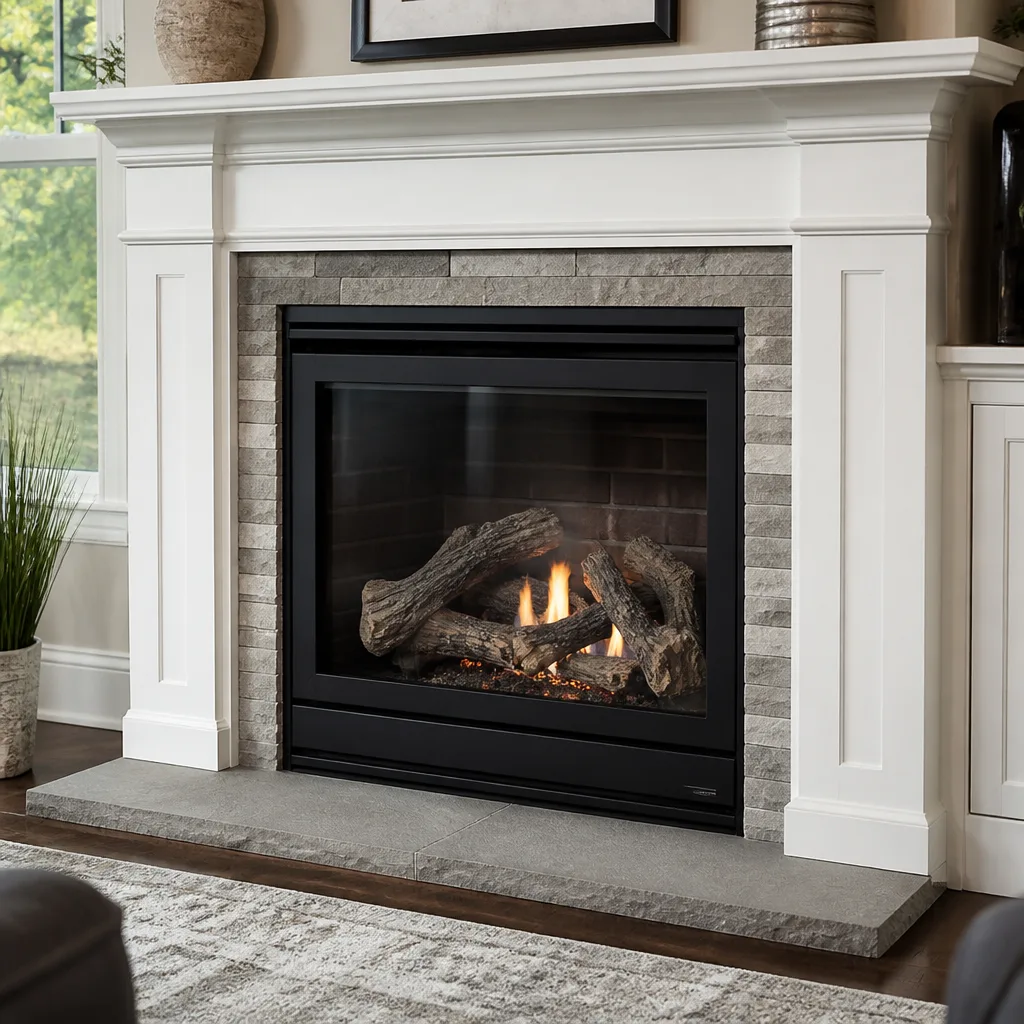 Gas fireplace service
Level 1 sweep and inspection to the NFPA 211 annual standard - flue, crown, cap, and flashing checked and photographed
Chimney sweep logs do not sweep chimneys. They loosen some creosote - which then falls where a brush and vacuum still have to collect it.
Seasonal Chimney Cleaning Care for Providence: Year-Round Homeowner’s Guide
Most homeowners in Providence call for a chimney sweep in October, right after the first cold snap, when every heating contractor in the city is booked solid and the wait stretches into weeks. That timing is backwards. Your chimney takes a different beating in each of Providence’s four seasons, and the smartest maintenance schedule follows those conditions rather than a single arbitrary cleaning date on the calendar. A masonry stack that survived a Rhode Island winter deserves a spring look. A flue that sat idle all summer needs a fall check before the first fire. This guide walks through what actually happens to your chimney month by month in Providence, and when to act so you’re never the homeowner scrambling for an appointment in the cold.
Quick Answer
The best time to schedule a chimney sweep in Providence is late July through August, when demand is lowest and the masonry is dry, giving any needed chimney repair time to finish before heating season. Beyond the annual sweep, plan a spring inspection for winter freeze-thaw damage and a fall check for caps, dampers, and animal exclusion. Year-round care means matching the task to the season, not waiting for the first frost.
Styles & brands we work with
- Sweep & inspection
- Caps & crowns
- Flue relining
- Masonry repair
- Gas fireplace service
Table of Contents
- Why Seasonal Chimney Care Matters More in Providence
- What a Providence Winter Does to Your Chimney
- Spring: The Post-Heating-Season Inspection
- Summer: The Best Window for a Sweep and Cap Repair
- Fall: Prep Beyond the Sweep
- Gas and Oil Venting: What Changes the Schedule
- A Year-Round Chimney Care Calendar for Providence
- Common Mistakes to Avoid
Why Seasonal Chimney Care Matters More in Providence
A chimney is a venting system first and a fireplace second. That framing matters in Providence because the venting system faces four very different sets of conditions across the year, and each one stresses a different part of the structure. Summer heat and humidity work on the cap and flashing. Autumn wind and falling leaves test the crown and the flue. Winter freeze-thaw cycles attack mortar joints and the liner. Spring rain finds every crack winter opened.
Homeowners who treat chimney care as a single annual sweep miss this. The sweep is the core task, and it’s the one that keeps creosote from building up to a dangerous level. But a chimney sweep in July doesn’t automatically include a look at the crown that a January ice cycle may have cracked. That’s why we think of seasonal care as a set of checks spread across the year, each timed to the conditions causing the most stress at that moment.
Providence’s mix of older housing stock adds another layer. Many homes here have masonry chimneys that have seen a great many winters, and older mortar is more vulnerable to freeze-thaw damage than fresh mortar. That doesn’t mean every older chimney needs rebuilding. It means the spring inspection earns its keep, because it’s when water damage from the winter first becomes visible.
Key takeaways:
- Each Providence season stresses a different part of the chimney: winter hits mortar and liner, spring reveals the damage, summer is the repair window, fall is the prep window.
- The annual sweep is essential but not the whole picture; add a spring inspection and a fall check.
- Older masonry chimneys in Providence benefit most from a spring damage review.
What a Providence Winter Does to Your Chimney
Freeze-thaw is the quiet force that ages a Providence chimney. Water gets into a mortar joint, a hairline crack in the crown, or the porous surface of the brick. When temperatures drop, that water freezes and expands, prying the joint or crack wider. When it thaws, more water enters. Repeat that cycle across a Rhode Island winter, and small flaws become real ones.
That’s why we tell homeowners to look for specific signs, not just “damage in general,” when spring arrives:
- Crumbling or sandy mortar between the bricks on the exterior stack, especially on the side that faces the prevailing weather.
- Spalling brick faces, where the front of a brick has flaked or popped off.
- A cracked or separated crown, the concrete cap at the very top that sheds water away from the masonry.
- White staining on the brick, which can point to moisture moving through the masonry.
- Rust stains or corrosion on a metal liner or damper assembly, which can mean water is getting in.
Inside the flue, a heavy winter of use builds creosote, and a cold, poorly drafting chimney is exactly where that creosote is most likely to accumulate in a form that’s hard to brush and more flammable. A chimney fire risk doesn’t announce itself; it builds silently through the heating season. That’s a big part of why the spring inspection and the annual sweep aren’t the same thing, and why we treat inspection as a standalone professional service rather than a sales pitch attached to a cleaning.
If the spring look turns up a compromised liner, the fix isn’t always a full rebuild. HeatShield resurfacing is an industry-recognized approach for restoring a damaged flue without full replacement, and DuraFlex flexible liner systems are used for relining when the flue needs a new liner. Contractor-grade materials matter here; this is not a job for a hardware-store patch.
Spring: The Post-Heating-Season Inspection
Spring is when the winter’s damage shows itself, and it’s the right time to look before the humid summer hides problems under new growth and warm air. A spring chimney repair plan starts with an inspection, and the inspection should look at the whole venting system, not just what’s visible from the hearth.
Here’s how a sensible spring review proceeds:
- Exterior stack review. Look at the mortar joints, the brick faces, the crown, and the flashing where the chimney meets the roof. Flashing that has pulled loose lets water straight into the attic and the masonry.
- Flue and liner check. A camera inspection shows the condition of the liner from top to bottom, including the parts you can’t see from the firebox. Ask for the photos.
- Firebox and damper. Confirm the damper opens and closes cleanly and seals when closed, since a damper that won’t shut sends heated air up the flue all summer.
- Cap and crown. Check that the cap is intact and the crown still sheds water away from the stack rather than into it.
- Venting for gas and oil systems. If your home has an oil-fired furnace or a gas appliance venting through the chimney, spring is the time to confirm that flue is clear and sound, separate from the fireplace flue.
Anything the inspection finds that can safely wait gets flagged as such. We say plainly when a repair can be deferred to the summer or the following spring, because a spring inspection that turns into a pressure sale isn’t an inspection. If a liner is compromised, though, it doesn’t wait; a damaged liner is a carbon monoxide and chimney fire concern, and it needs a professional assessment before the next heating season.
Summer: The Best Window for a Sweep and Cap Repair
Late July and August are the ideal weeks to book a Providence chimney sweep. Three reasons line up at once: demand is at its lowest because nobody’s thinking about their fireplace, the masonry is dry so inspection and repair conditions are good, and there’s still time to complete any repair before the first fire of fall. Book in the dead of summer and you’re not competing with everyone who waited for the first cold snap.
Summer is also when two other tasks belong on the list:
- Cap and flashing integrity before hurricane season. Late summer and early fall are when storm systems track up the coast and across New England, and wind-driven rain is hard on a chimney cap and the flashing around it. A cap that’s loose or a flashing that’s pulled away is a leak waiting for the first big storm. Gelco and Famco cap and venting products are what we install for weatherproofing, not generic hardware-store substitutes, because the cap is the part standing between your flue and the weather.
- The sweep itself. A summer sweep clears the creosote from the previous heating season and gives the flue a clean start for the next one.
One more summer job: check the damper seal. A damper that doesn’t close tightly lets cooled air escape up the chimney all summer and hot, humid air in. Sealing it properly is a small task that pays back over a Providence summer. And if migratory birds are a concern, late summer is the window to confirm the cap and any exclusion screens are intact before nesting season, so you’re not dealing with a blocked flue in the fall. Copperfield and Olympia Chimney components come up here too when a cap or a screen needs replacing with a part built for the job.
Fall: Prep Beyond the Sweep
Fall is when most people think about their chimney, which is exactly why it’s the most crowded time to get one serviced. If you’ve done the summer sweep, fall prep is lighter: a set of checks rather than a cleaning. If you haven’t, fall is a fine time for a sweep too, just expect to book earlier.
The fall checklist covers the tasks that keep the system safe through the heating season:
- Confirm the flue is clear. A summer’s worth of debris, a bird’s nest, or a fallen cap piece can block a flue. A camera check confirms it’s open before the first fire.
- Check the damper operation. It should open fully for a fire and close tightly when the fireplace is idle.
- Inspect the cap and screens. Confirm no animal has moved in and the cap is still secure.
- Look at the firebox and hearth. Cracks in the firebox brick or gaps in the mortar can let heat reach framing; these need a professional look.
- Stock and stage the firewood properly. Seasoned wood stored away from the house and covered reduces moisture and pest problems.
- Test smoke and carbon monoxide alarms. A working CO alarm belongs in any home with a fuel-burning appliance or fireplace.
Fall is also when we get the most calls from homeowners who skipped the summer window and now want a sweep in a hurry. Those calls get booked as fast as we can, but the honest advice is that late summer would have been easier. If fall is your window, call early. Call (833) 315-2861 and we’ll find you a slot.
Gas and Oil Venting: What Changes the Schedule
Not every Providence chimney serves a wood fire. Plenty of homes here vent a gas insert or an oil-fired heating system through the chimney, and those systems need seasonal attention of their own. A gas or oil flue produces different byproducts than a wood fire, and the maintenance calendar shifts to match.
For gas and oil venting, the spring check is especially important because it’s the time to confirm the flue is clear and sound after a winter of steady use, and to look for any corrosion or blockage that could affect venting. A blocked or damaged flue on a gas or oil appliance is a real carbon monoxide concern, not a theoretical one. That’s why we treat a formal inspection as a standalone service: the flue for a furnace deserves the same careful look as the fireplace flue, and often more often.
Two practical points for gas and oil homeowners in Providence:
- Keep the flues separate in your mind. If your home has both a fireplace flue and an appliance flue in the same stack, each needs its own inspection and its own sweep schedule.
- Watch for signs of trouble between inspections. Rust, corrosion, a change in how the appliance drafts, or soot around the vent connection all warrant a call before the next scheduled check.
We install DuraFlex liner systems and use HeatShield resurfacing where a flue needs restoring, and both are built for the demands of an actively vented chimney. The right product depends on the flue, which is why we specify the right one rather than reaching for whatever’s on the shelf.
A Year-Round Chimney Care Calendar for Providence
Here’s the schedule we’d hand a Providence homeowner who wants to stay ahead of the seasons rather than chase them. It’s a guide, not a rigid rule; a heavy user or an older masonry chimney may need more frequent checks.
- Spring (March-May). Post-heating-season inspection. Look for freeze-thaw damage: mortar, spalling brick, crown cracks, flashing. Check the liner with a camera. Confirm gas and oil venting is clear.
- Early summer (June). Review the inspection report, decide what can wait and what can’t, and get any repair on the books so it’s finished before fall.
- Late summer (July-August). The annual sweep. Cap and flashing check before storm season. Damper seal check. Animal exclusion check.
- Fall (September-October). Flue-clear confirmation, damper operation, cap and screen check, firebox review, alarm test. Book early if you didn’t sweep in summer.
- Winter (November-February). Use the fireplace and the heating system as intended. Watch for signs of trouble: poor draft, smoke backing into the room, a strange smell, soot around the vent. Those are calls, not wait-and-see items.
That calendar is the spine of year-round care. The single most important thing is that the annual sweep happens at all, and it happens at a time that leaves room for any repair the inspection turns up. If your liner is compromised, the repair can’t wait; but the sweep and most repairs can fit comfortably into the summer window if you plan for it.
Common Mistakes to Avoid
- Waiting for the first cold snap. That’s when everyone in Providence calls at once, and you end up booked out for weeks. Book the sweep in late summer.
- Treating the sweep as the whole job. A sweep clears creosote; it doesn’t check the crown, the flashing, or the liner. You need an inspection too, and often a spring one.
- Skipping the spring look because the fire burned fine. A chimney can draft well and still have a cracked crown or a compromised liner. The fire’s performance isn’t a damage report.
- Letting a generalist with a brush handle a structural problem. A sweep, a repair, and a formal inspection are three different jobs. A handyman with a brush can sweep, but a compromised liner or a failing crown needs a specialist who can specify DuraFlex or HeatShield systems, not a patch.
- Ignoring the cap and flashing until it leaks. In Providence, storm-season wind and rain find a loose cap or a pulled flashing fast. Check them in summer, before the storms.
- Assuming the appliance flue is fine because the fireplace is. Gas and oil venting needs its own inspection. A blocked appliance flue is a carbon monoxide concern.
- Choosing the cheapest bid without asking what’s included. A low price that skips the camera inspection and the photo report isn’t a bargain; it’s a question you can’t answer about your own chimney.
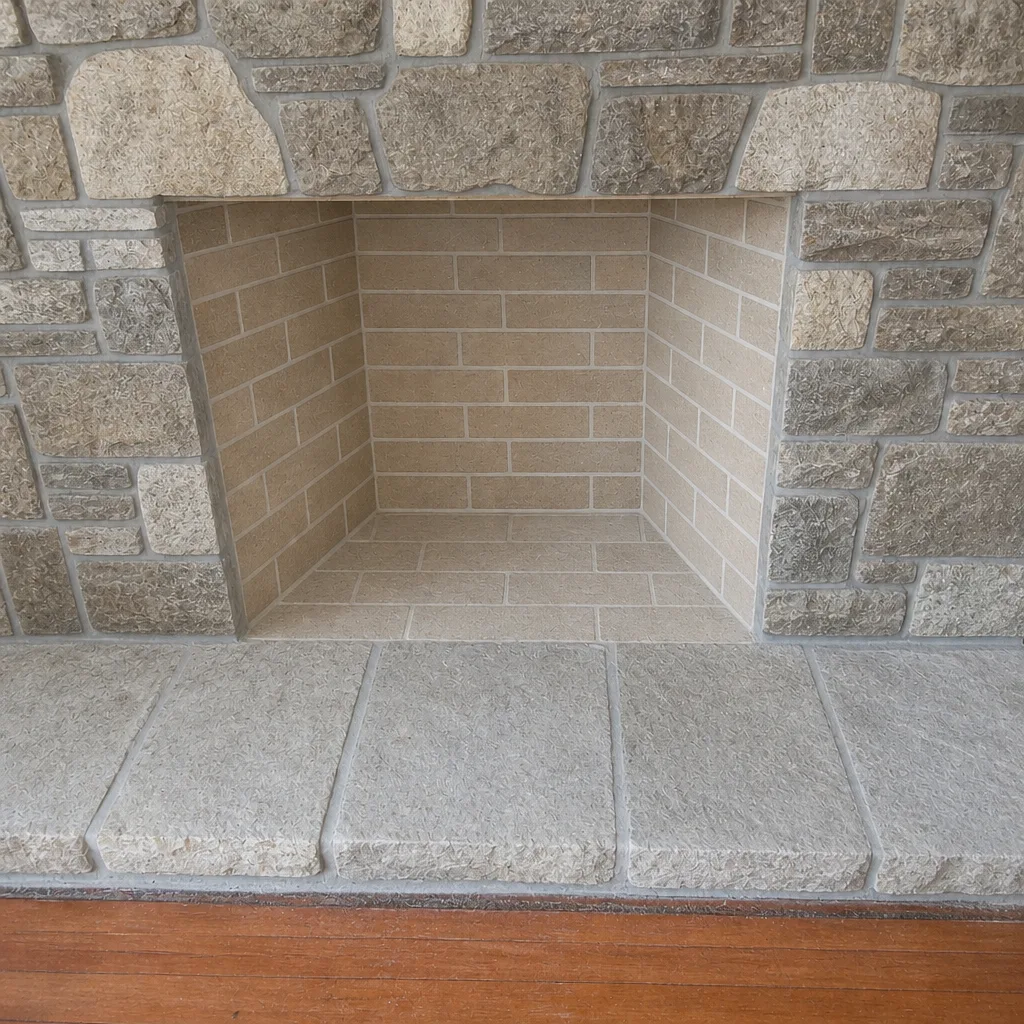
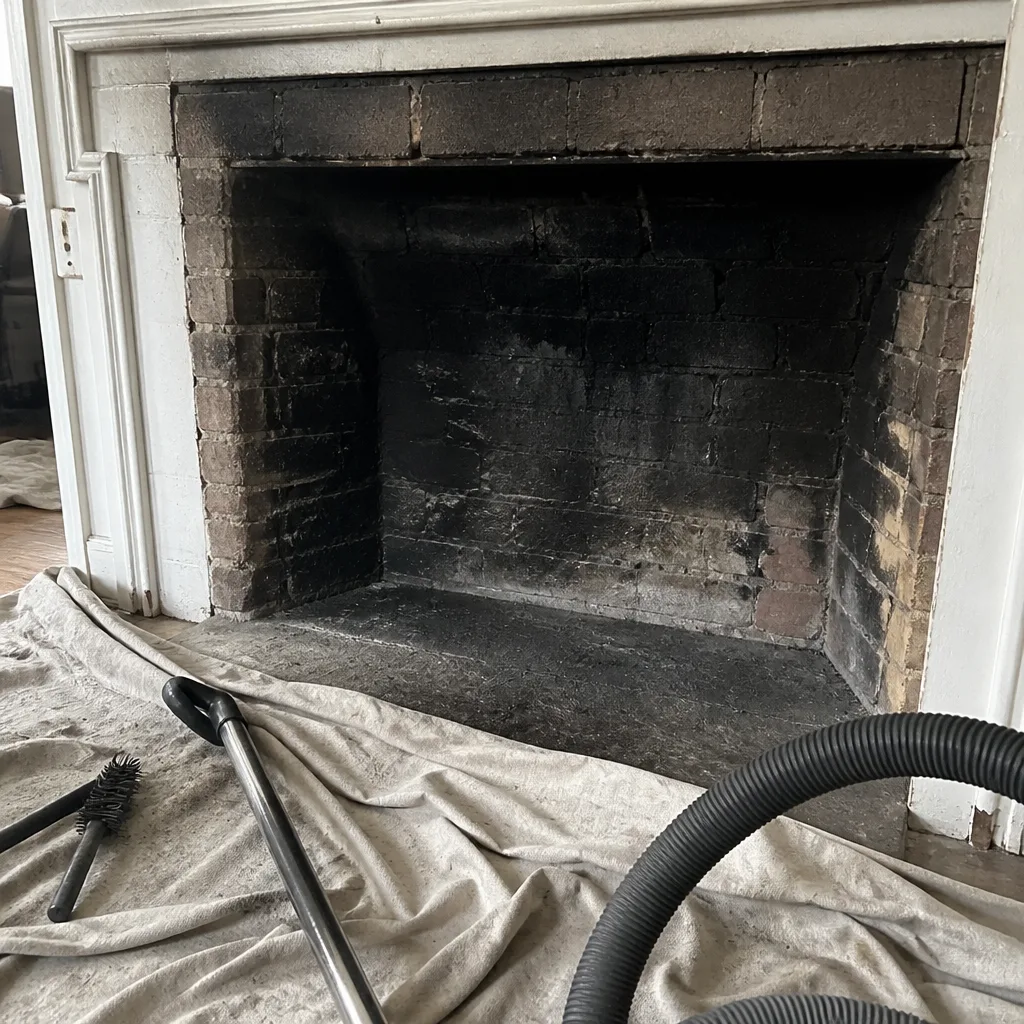
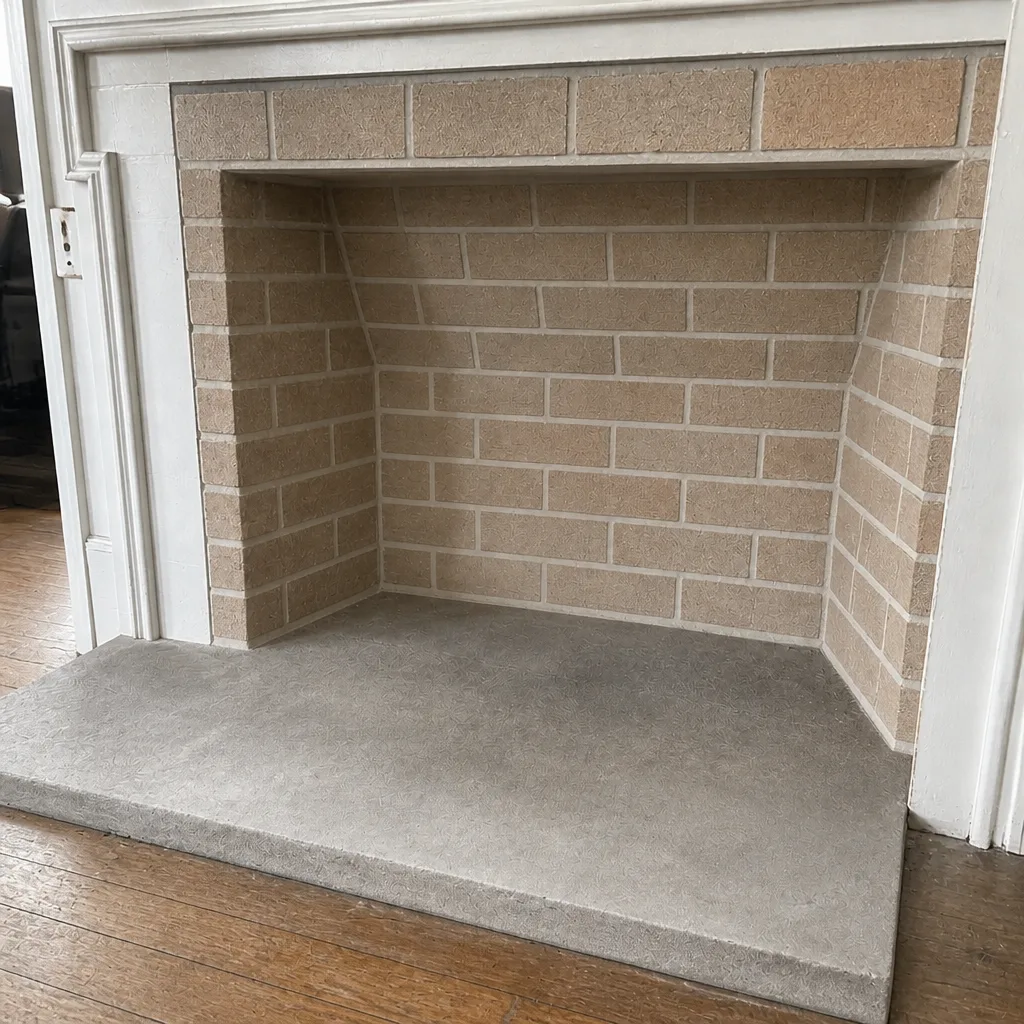
See the difference
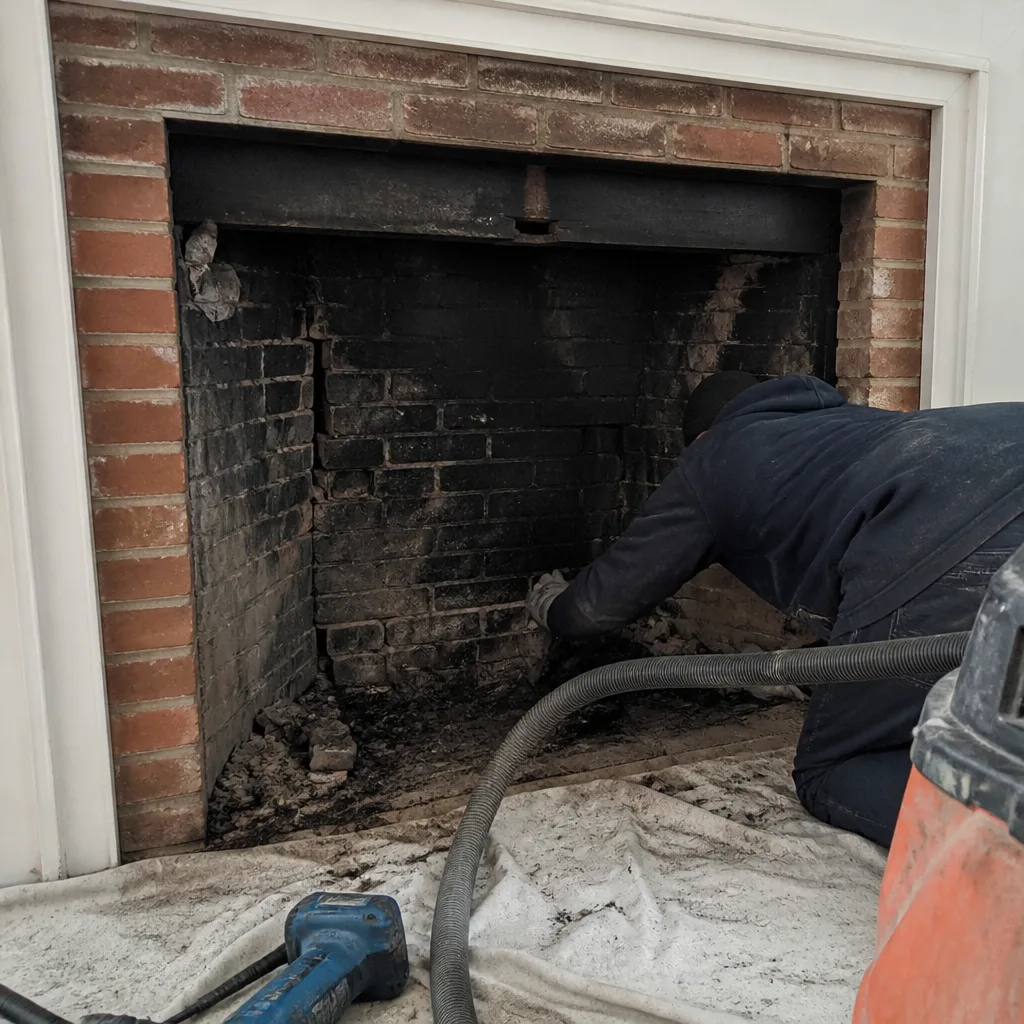 Before
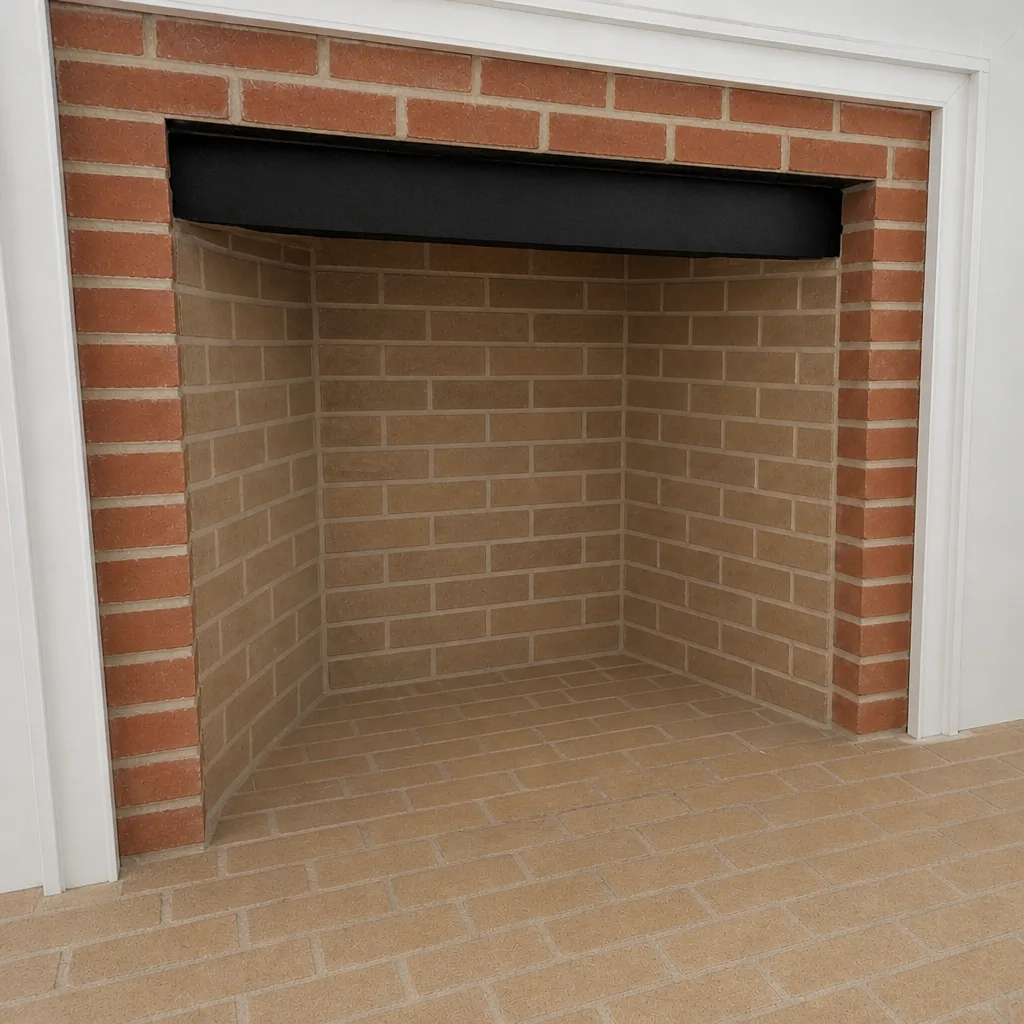 After
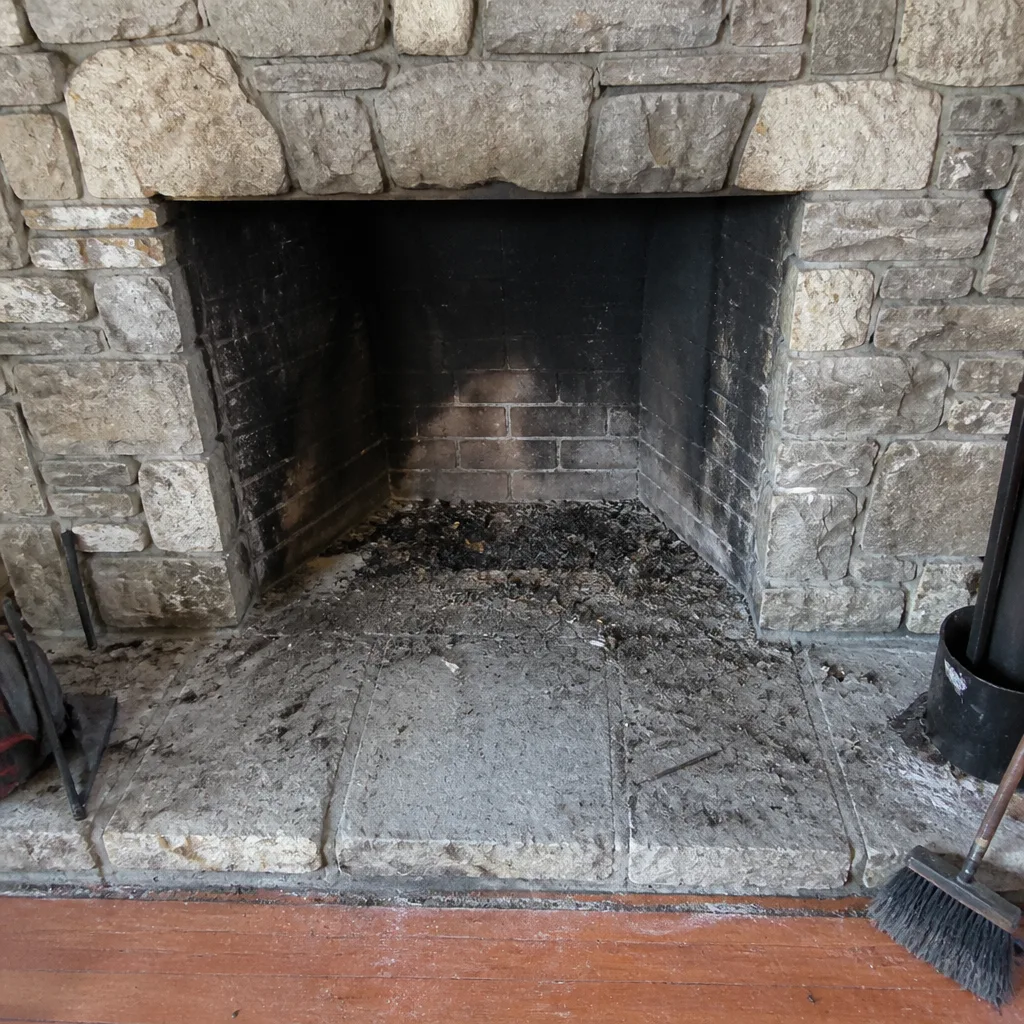 Before
 After
 Before
 After
When to Call a Professional
Call a professional when the chimney shows signs you can’t safely evaluate yourself: crumbling mortar, a cracked crown, a damaged liner, soot around a vent connection, smoke backing into the room, or a sudden change in how the fireplace or appliance drafts. Also call after any chimney fire, even a small one, before using the fireplace again. And call before you use the fireplace for the season if it hasn’t had a sweep and an inspection in the past year. Because your chimney is a venting system first, anything that touches the flue, the liner, the cap, or the masonry is a job for someone trained to assess it. Gas and oil venting issues, and any suspected carbon monoxide exposure, are urgent. Providence Chimney Cleaning offers free estimates in Providence, so call (833) 315-2861 to get a look at the system before the next season turns.
Frequently Asked Questions
Late July through August is the best window in Providence, when demand is lowest, the masonry is dry, and there’s time for any repair before heating season. Booking in late summer means you’re not competing with everyone who calls after the first cold snap, and the sweep and any follow-up work fit comfortably before fall. Call (833) 315-2861 for an exact quote; estimates are free.
Once a year is the standard for a wood-burning fireplace that sees regular use, and more often for heavy use or for an appliance flue. The annual sweep clears creosote before it builds to a dangerous level, and pairing it with an inspection catches structural problems the sweep alone won’t reveal. Your inspector can tell you if your particular chimney needs a more frequent schedule.
Only if the inspection shows the liner is compromised, and we never recommend one without camera evidence you can see for yourself. A damaged liner is a chimney fire and carbon monoxide concern, so it can’t be deferred; but a liner that’s sound doesn’t need replacing. HeatShield resurfacing can restore a damaged flue without full replacement in some cases, and DuraFlex liner systems are used for relining when a new liner is the right call. Call (833) 315-2861 and we’ll show you what the camera finds.
Creosote builds up in the flue and, in its harder forms, becomes a chimney fire risk, while undetected damage to the crown, mortar, or liner can let water in and vent gases into the wrong place. None of it announces itself. Skipping a season or two doesn’t guarantee a problem, but it removes the inspection that would catch one. A clean chimney is a code-compliant chimney, and the inspection is how you know.
Yes. Freeze-thaw cycles are the main culprit: water enters a mortar joint or a hairline crack, freezes and expands, then thaws and lets more water in. Across a winter that cycle widens joints, spalls brick faces, and cracks crowns. It’s why a spring inspection is worth doing in Providence specifically, because that’s when the damage first shows.
Yes. A gas insert or an oil-fired heating system venting through the chimney needs its own inspection, separate from the fireplace flue. A blocked or damaged appliance flue is a carbon monoxide concern, so spring is the time to confirm it’s clear and sound. If you’re not sure whether your appliance flue has been checked, call (833) 315-2861 and ask.
The Bottom Line
Providence’s four seasons each stress a different part of your chimney system, so the smartest care schedule tracks those conditions instead of picking one arbitrary cleaning date. Sweep and inspect in late summer when demand is lowest and repairs have time to finish. Do a spring inspection to catch winter freeze-thaw damage while it’s fresh. Check the cap and flashing before storm season, test the dampers and alarms in the fall, and give gas and oil venting the same careful look as the fireplace flue. A sweep, a repair, and an inspection are three different jobs, and one company handling all three from start to finish is how you stay ahead of the calendar rather than behind it. Call (833) 315-2861 for a free estimate, and we’ll build the schedule that fits your chimney and your heating habits. We answer 24/7, with fast dispatch from 7am to 7pm, Sunday through Friday.
Find out more about how we work in Providence, or start with the Providence Chimney Cleaning team for a full seasonal plan.
Written by the team at Providence Chimney Cleaning.