
Last updated November 16, 2026
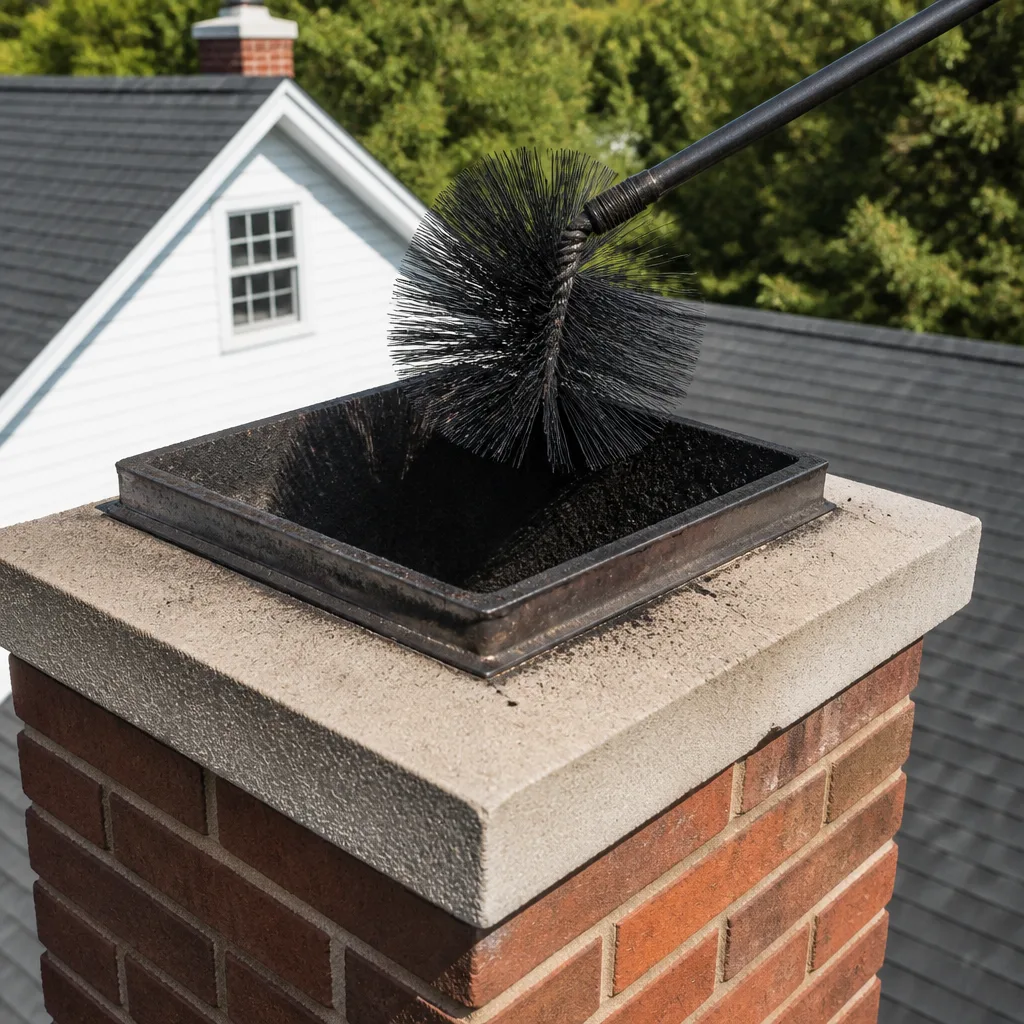 Sweep & inspection
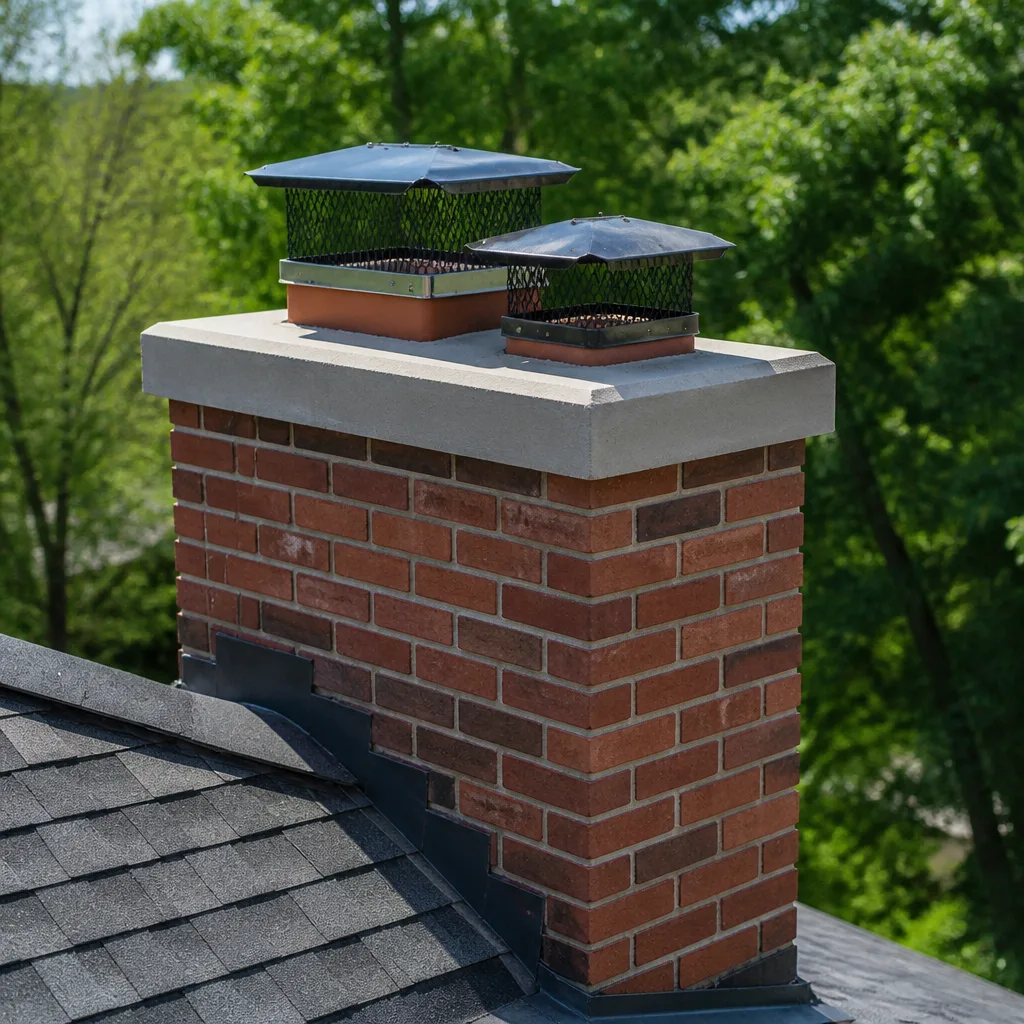 Caps & crowns
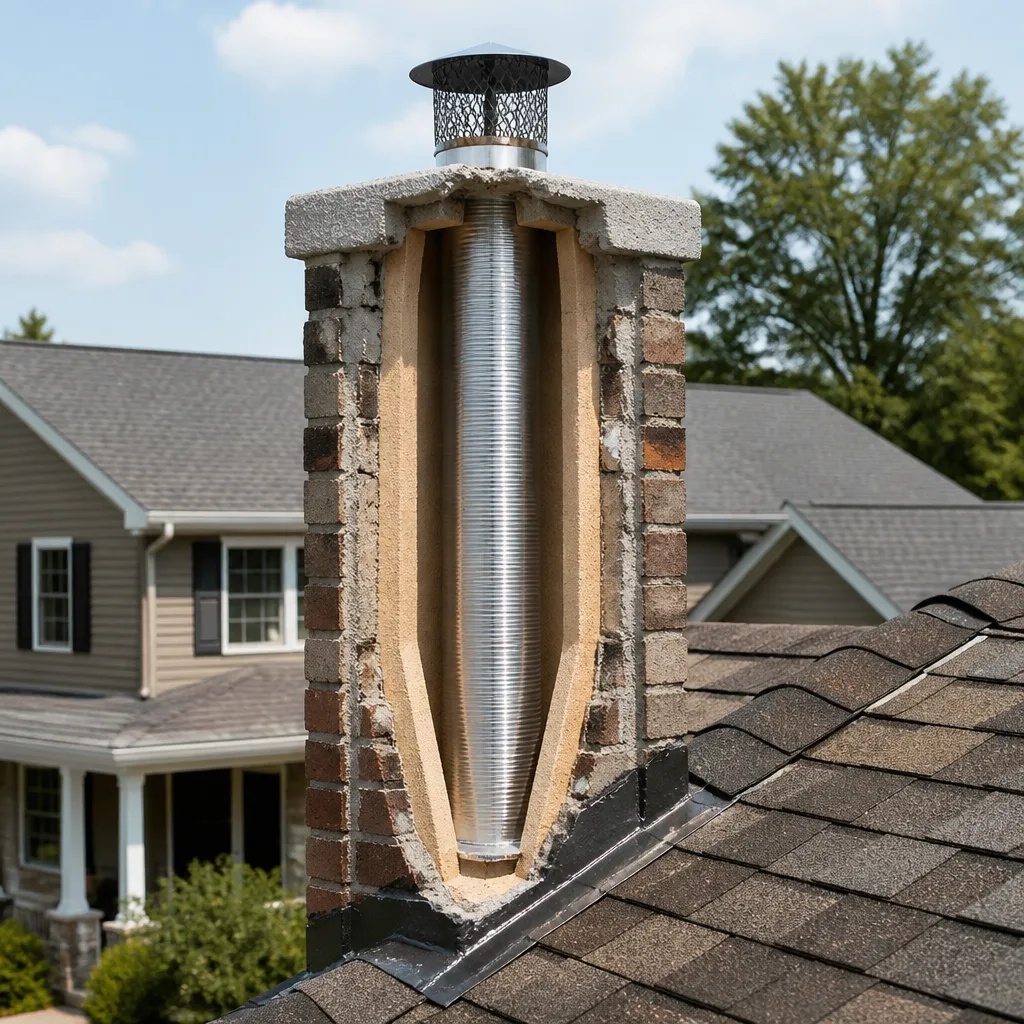 Flue relining
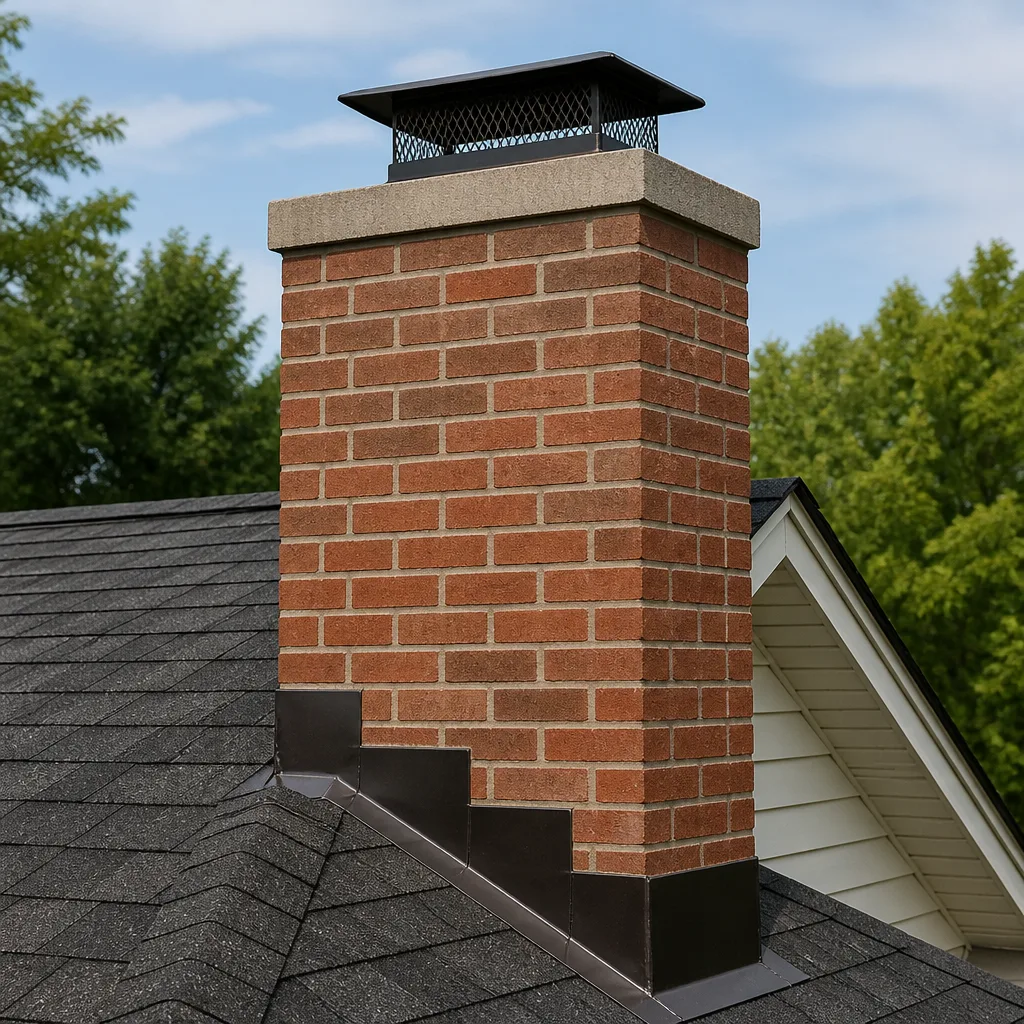 Masonry repair
 Gas fireplace service
Level 1 sweep and inspection to the NFPA 211 annual standard - flue, crown, cap, and flashing checked and photographed
Chimney sweep logs do not sweep chimneys. They loosen some creosote - which then falls where a brush and vacuum still have to collect it.
DIY vs Professional Chimney Cleaning: The Providence Homeowner’s Decision Guide
You can buy the same chimney brush a professional uses for about $40. That’s the number that fuels most do-it-yourself arguments, and on its own it’s true. What you can’t buy at that price is the ability to recognize a compromised liner or a deteriorating smoke chamber from inside a firebox, because that skill comes from seeing thousands of flues and knowing what a bad one looks like before it becomes a chimney fire. Here we’ll walk through where DIY chimney care makes sense, where it quietly stops protecting your home, and how a Providence homeowner can tell the difference.
Quick Answer
DIY chimney cleaning is reasonable for light surface maintenance: clearing a cap, checking a damper, removing firebox debris, and brushing a lightly used flue between professional visits. Professional cleaning is the responsible choice for anything involving a rotary system, Stage 2 or Stage 3 creosote, an unfamiliar flue, or an inspection you intend to rely on. In short: the physical brushing is often reproducible at home, but the diagnostic value of a certified sweep and inspection is not, and that’s where chimney safety actually lives.
Styles & brands we work with
- Sweep & inspection
- Caps & crowns
- Flue relining
- Masonry repair
- Gas fireplace service
Table of Contents
- The Real Question Isn’t Cost – It’s Capability
- Rod-and-Brush Versus Rotary Systems: What the Tool Gap Actually Means
- The Inspection Steps That Have No DIY Equivalent
- What Rhode Island Homeowner’s Insurance Expects
- The Legitimate DIY Tasks Worth Doing Between Sweeps
- A Decision Framework for Providence Homes
- Understanding Creosote Stages and Why They Matter Here
- Common Mistakes to Avoid
- When to Call a Professional
The Real Question Isn’t Cost – It’s Capability
Most DIY chimney cleaning discussions are framed around money. A professional sweep has a cost, a brush is cheap, so why not skip the middleman? That framing misses the point. The cost of a sweep is not really for the scrubbing. It’s for the pair of trained eyes inside your chimney and the judgment to know what they’re looking at.
Consider what a chimney sweep actually produces on a visit. There’s the physical cleaning, yes. But alongside it sits a whole diagnostic layer: a camera run of the flue, a draft reading, a look at the smoke chamber, a check of the damper, a scan of the firebox for cracks or spalling, and an inspection of the cap and crown from the roof. None of that is brushing. All of it is what makes the cleaning worth doing.
That distinction is more important in Providence than in most places, for one structural reason: the city’s housing stock runs heavily toward older homes, many of them 19th- and early 20th-century, with original brick chimneys that have been through more than a century of heating cycles. Older brick lining doesn’t fail in a way you can see from the firebox floor. It fails as spalling inside the flue, as gaps in mortar joints that let creosote and heat reach combustible framing, as a parged flue that’s chipped away over decades. A homeowner brushing their own chimney can’t see any of that. A trained sweep with a camera can.
In our experience, the homes where DIY cleaning is most tempting are the same homes where a professional inspection matters most: small wood fireplaces in older houses, used heavily through the heating season, with a flue nobody has looked inside recently. The brush reaches what the eye can’t check. That gap is what this guide is about.
Rod-and-Brush Versus Rotary Systems: What the Tool Gap Actually Means
The tool gap between DIY and professional cleaning gets understated in most comparisons. A homeowner typically buys a rod-and-brush set: flexible rods screwed together, a brush sized to the flue, worked up from the firebox or down from the roof by hand. It’s a real tool, and it removes light soot and Stage 1 creosote (the powdery kind) reasonably well.
What a professional rotary system does differently matters when the creosote isn’t light. A rotary cleaning system uses a spinning whip or chain head driven by a power unit. It works by centrifugal force against the flue walls, not by pushing a brush up and down. The difference isn’t cosmetic. It’s the difference between what can be knocked off and what actually gets removed.
Here’s why that matters in this climate specifically:
- Shoulder-season burning. Providence falls within a climate where homeowners build fires intermittently in fall and spring, often running a wood fireplace hot for a night then letting it cool for days. That cooling pattern is a creosote factory, because incomplete combustion and cool flue temperatures let creosote condense on the lining.
- Wood quality. A lot of firewood bought in southern New England is not fully seasoned. Green or damp wood produces more creosote and more smoke, and it deposits more on the lining per burn.
- Glaze formation. When Stage 2 creosote (the crusty, hardened kind) or Stage 3 (the glazed, tar-like kind) forms, no rod-and-brush system removes it. A rotary head with the right attachment can address Stage 2 in many cases. Stage 3 usually requires chemical treatment and sometimes further professional attention.
The practical upshot: a homeowner with a lightly used, recently swept flue who brushes it between professional visits is doing something reasonable. A homeowner with heavy use, unknown history, or hard, glassy creosote who reaches for the same brush is attempting a job the tool can’t perform. The brush tells you the flue is “clean” because it stops pulling soot. It doesn’t tell you the glaze underneath is still there.
One more note on this: professional sweeps also use drop cloths, HEPA vacuums, and containment that keep soot out of your living room. That’s a workmanship detail, but it’s part of why the professional job feels different. Pulling a brush through a flue by hand without containment means some of what comes off the lining ends up in the room.
The Inspection Steps That Have No DIY Equivalent
This is the core of the argument. Even if you could perfectly clean your own flue, you still couldn’t inspect it, because inspection isn’t cleaning. A certified sweep performs a formal inspection alongside the cleaning, and several steps in that process have no reasonable DIY equivalent. Here’s how a proper professional visit usually breaks down.
- Visual inspection of accessible components. Firebox, damper, smoke chamber, flue, cap, and crown are checked for cracks, gaps, spalling, rust, and improper installations. This is the base layer.
- Camera scan of the flue. A chimney camera run down the flue shows the condition of the lining on a screen you can see with the technician. Cracks, gaps in mortar joints, missing parging, and deteriorating liners show up here in ways no visual peek from the firebox can.
- Draft testing. The sweep evaluates whether the chimney is actually pulling correctly, which catches problems like a flue sized wrong for the appliance, a partially blocked flue, or a competing vent stack pulling air from the same zone.
- Smoke chamber evaluation. The smoke chamber is the sloped area above the damper. It’s notoriously hard to see into, commonly poorly built, and can collect creosote in ways that make it a fire risk. Evaluating it properly requires a look most homeowners can’t get.
- Exterior check from the roof. Cap, crown, and flashing are checked from the roof. A missing or damaged cap is a common cause of water infiltration that quietly destroys the chimney from the inside.
- Formal report. A good inspection produces a written finding: what’s fine, what needs watching, what needs repair. That document is what matters for insurance and for planning.
The report piece is worth emphasizing. A chimney repair recommendation is only as good as the inspection behind it, and in our experience the reason homeowners hesitate on big repair quotes is that nobody has shown them the evidence. The camera image, the crack in the liner, the spalled parging: that’s the evidence. It’s also why we treat inspection as a standalone service rather than as a sales funnel for repair work. If the flue is fine, the report says so. If the flue needs work, the report shows you why. When a repair does become necessary, we specify contractor-grade materials from brands like DuraFlex and Olympia Chimney rather than generic parts, because a liner isn’t a place to save forty dollars.
The honest takeaway: DIY cleaning leaves you without a report. Without a report, you don’t have an inspection record. Without an inspection record, you don’t actually know the state of your chimney. You know it’s been brushed. That’s a different thing entirely.
What Rhode Island Homeowner’s Insurance Expects
This is one of the most overlooked parts of the DIY-versus-professional question, and it’s where a lot of homeowners get caught flat-footed after a loss.
Rhode Island homeowner’s insurance policies, like those in most states, generally cover fire losses including chimney fires, but they typically require the homeowner to exercise reasonable care in maintaining the property. A chimney that has never been professionally inspected, or a fireplace that’s been run for years with no documented sweep, is a maintenance record problem at claim time. The insurer’s adjuster will ask for evidence of maintenance. If the answer is “I brushed it myself,” the claim may proceed, but the record is thinner than a formal sweep and inspection report on file.
What most homeowners don’t realize is how simple the documentation situation usually is:
- A professional sweep visit typically generates a written report that can go straight into a home file and be produced on request.
- That report establishes due diligence in a way that a self-brushed chimney does not, because the record documents what a trained person found and when.
- Insurers, when reviewing a claim, are looking for a pattern of care, and annual or regular professional inspection is the industry-standard baseline.
We’re not insurance professionals, and we’d never make a coverage promise on an insurer’s behalf. What we can tell you is what we see on the job: homes where a chimney fire has occurred and the homeowner has no sweep record have a harder time with the claim than homes with one. The rule of thumb is simple. If you want your insurer to see that you maintained the chimney, there needs to be a record of maintenance. DIY brushing doesn’t produce one.
One practical middle path: get your chimney professionally swept and inspected on a regular schedule, and do the legitimate light maintenance yourself in between. That gives you the record and the DIY savings where they actually apply.
The Legitimate DIY Tasks Worth Doing Between Sweeps
There’s a real list of maintenance tasks a homeowner can and should do, and skipping them is just as bad as trying to replace a professional sweep. These are the safe ones:
- Cap clearing. If you can safely see the cap from the ground and notice a twig, leaf buildup, or a dislodged bird guard, clear it with a long pole from the ground if the cap is reachable safely. Don’t climb onto the roof to do this. Roof work is the leading cause of DIY chimney-related injuries.
- Damper checks. Before each burn season, open and close the damper a few times to confirm it moves freely and closes fully. A damper stuck open loses heat up the flue and wastes wood; a damper stuck closed means smoke in the room.
- Firebox debris removal. Ash and debris in the firebox should be cleared regularly. Leave a small bed of ash for combustion, but don’t let it build into a deep pile that interferes with airflow.
- Ash pit and cleanout check. If your chimney has an exterior cleanout door, make sure it’s sealed and not accumulating debris. Cleanout doors that don’t seal are a carbon monoxide risk.
- Cap and crown visual check. From the ground, look at the cap and crown. If you can see visible damage, missing cap, or crumbling mortar, note it for your next professional visit.
- Wood storage. Store firewood well away from the house and only burn seasoned wood. This is chimney maintenance you do with your woodpile, not your brush.
What’s not on this list: climbing the roof to brush the flue, removing or replacing a cap by hand, working on the liner, or attempting to address glazed creosote with household tools. When a flue is relined or a cap is replaced, the right products matter, and we install Gelco and Famco cap and venting products for exactly that reason: they’re the kind of parts that actually weatherproof a chimney, not the generic substitutes from a hardware store shelf.
A Decision Framework for Providence Homes
Whether DIY cleaning is responsible or reckless depends on four factors. Run through them honestly. If you land on “professional” for any of them, book a sweep.
- Flue type. Clay tile liners in older Providence homes are the most common setup, and they’re also the most likely to fail invisibly. A stainless liner (which some homes have after relining) is more predictable. A metal flue from a newer install is different again. Clay tile flues with any visible damage: professional.
- Last professional inspection date. If you don’t know the date of the last inspection, or it’s been more than a couple of years, professional sweep and inspection. There’s no DIY version of establishing a baseline.
- Heating frequency. A fireplace used a few times a month on weekend evenings is a different beast from one burning most winter days. Heavy use, especially in a small older flue, means more creosote, faster. Heavy use without a recent inspection: professional.
- Creosote risk tier. Powdery soot and light Stage 1 creosote: potentially DIY-cleanable in between professional visits. Crusty Stage 2 or glazed Stage 3: professional only. If you don’t know which you have, you can’t answer this question without an inspection.
That fourth factor is the one that trips people up. You can’t assess your own creosote risk tier without knowing how to look, and most of the flue is out of sight. So in practice, the decision framework often resolves to: get one professional sweep and inspection, learn what tier you’re in, and decide from there. If the flue is lightly used and clean, DIY maintenance between annual sweeps may be reasonable. If it’s a heavily used flue with a tired clay liner, the annual sweep is non-negotiable.
One Providence-specific wrinkle: the city’s older housing stock often includes a gas insert or an oil-fired heating system sharing or near the masonry chimney. Those configurations bring their own inspection considerations, including venting and carbon monoxide risk, that no DIY cleaning routine addresses. If your chimney serves anything other than a wood fire, the professional baseline matters even more.
Understanding Creosote Stages and Why They Matter Here
Creosote is the byproduct of incomplete wood combustion, and it’s the reason chimney cleaning exists as a trade. It forms on the inside of the flue, it’s flammable, and it burns hot enough to ignite the structure around the chimney. It develops in three recognizable stages, and the stage determines who should be cleaning it.
- Stage 1: soot and light flake. Powdery, easy to brush off. This is the kind a homeowner’s brush can remove, and the kind a professional sweep clears quickly.
- Stage 2: crust. Harder, brittle, and stuck to the lining. A hand brush will skip it. A rotary system with the right attachment has a real shot at it.
- Stage 3: glazed. Tar-like, shiny, and difficult to remove by any mechanical means. It usually needs chemical treatment and significant professional attention, and it signals that the chimney has been running cool or burning wet wood for a while.
Cold-climate burning patterns push creosote toward the higher stages. A fire that runs hot and clean produces less creosote than one that smolders. Fireplaces that are choked down to burn slowly overnight, or that burn wood that hasn’t dried enough, produce more. That’s a chimney-fire risk pattern, and it’s a pattern the homeowner can’t see from the firebox unless somebody looks with a camera.
We treat creosote stage as the practical dividing line. Stage 1, light use, recently inspected: DIY maintenance between professional visits is reasonable. Stage 2 or unknown: professional sweep. Stage 3: no DIY attempt is appropriate; that flue needs a professional evaluation. When the liner has been damaged by heat exposure from high-stage creosote, repair becomes a real question, and that’s when HeatShield liner repair or a DuraFlex reline gets discussed. For a family that thought they were saving a couple hundred dollars on a sweep, that’s a much bigger conversation than the original decision implied.
Common Mistakes to Avoid
- Climbing the roof to brush the flue. Falls from residential roofs are the leading cause of injury in DIY chimney work. If the brush needs a ladder, it needs a professional. Stick to work reachable from the ground or from the firebox.
- Assuming a hand brush removes glaze. A brush that stops pulling soot has not removed Stage 2 or 3 creosote. It has removed what it can reach. This is the single most common DIY misjudgment.
- Skipping containment. Brushing a flue without drop cloths and a HEPA vacuum drags soot into the living space, especially in older Providence homes where the firebox is close to living areas. It’s not just messy; it’s a health nuisance.
- Burning unseasoned wood to “get through” a cold snap. Damp wood produces more smoke, more creosote, and more deposits on the lining. Seasoned wood is chimney maintenance you do in September, not January.
- Treating a sweep as a repair. A sweep cleans the flue; it doesn’t fix a cracked liner, a failed crown, or a spalling smoke chamber. If the inspection turns up damage, the response is repair (with proper materials), not a second sweep.
- Ignoring a damaged cap. A missing or broken cap lets rain and animals in. That moisture damages the flue from the inside. Replace caps with the right part, not a generic substitute.
- No maintenance record. A yearly sweep report in a home file is a document that matters at claim time. DIY brushing produces no such document, and in an insurance conversation, that gap shows up.
If you’ve already made one of these mistakes, the fix is straightforward: book a professional sweep and inspection, and start a proper maintenance record from that point forward. The chimney doesn’t care when you started; it cares what condition it’s in now.
When to Call a Professional
Call a professional for any of the following: a flue that hasn’t been inspected in over a year, any chimney serving a wood stove, gas insert, or oil-fired system, any visible damage to the cap or crown, a smoke-back into the room when the fireplace is lit, a creosote smell in the house even when the fireplace is cold, or any flue that has never had a professional look. Book a professional for the annual sweep and inspection even if you’re doing DIY maintenance in between. When in doubt about the creosote stage or the liner, book the inspection, because the inspection is the answer.
Providence Chimney Cleaning offers free estimates in Providence. Call (833) 315-2861. We answer 24/7. Fast dispatch from 7am to 7pm, Sunday through Friday. One company handles the sweep, the inspection, and the repair, so you’re not coordinating multiple contractors for a single chimney issue. Our technicians have up to 12 years of experience, and we work with professional-grade lines including DuraFlex and Olympia Chimney.
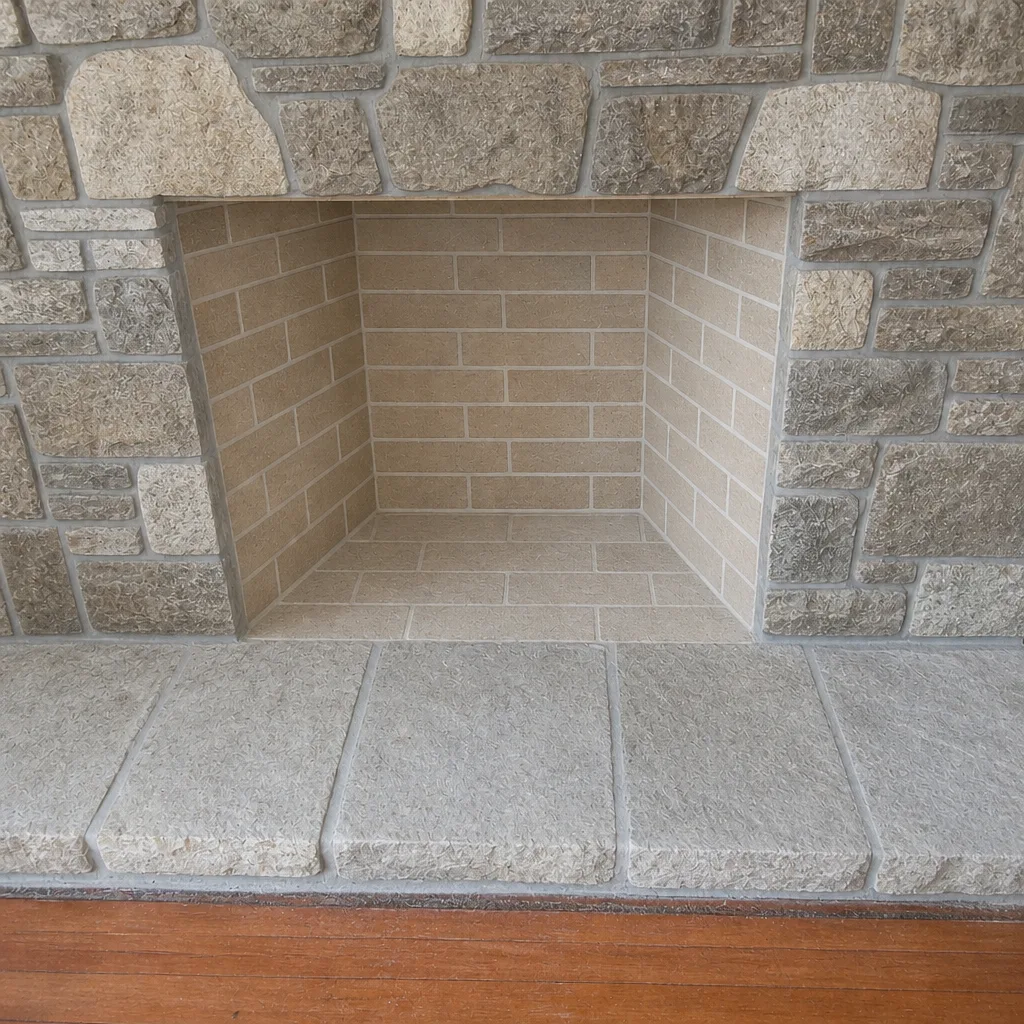
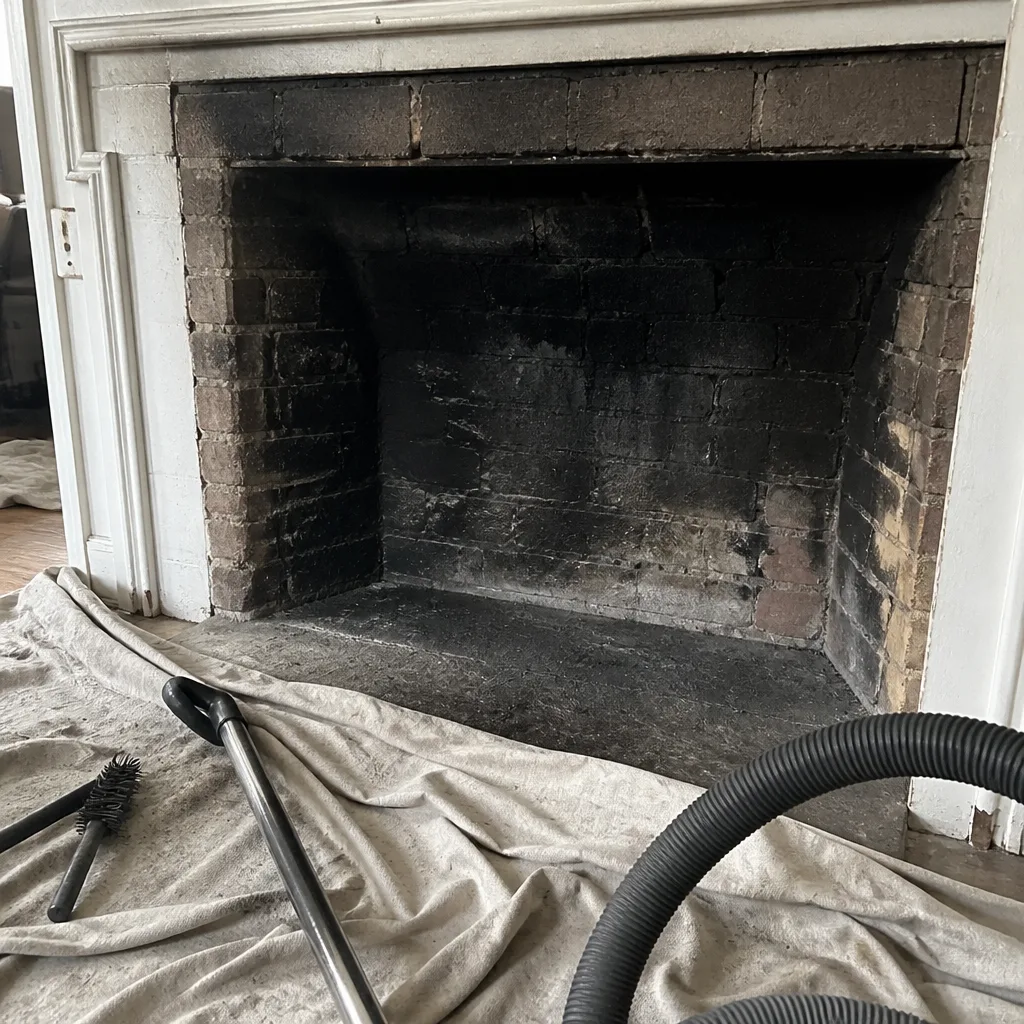
See the difference
 Before
 After
 Before
 After
 Before
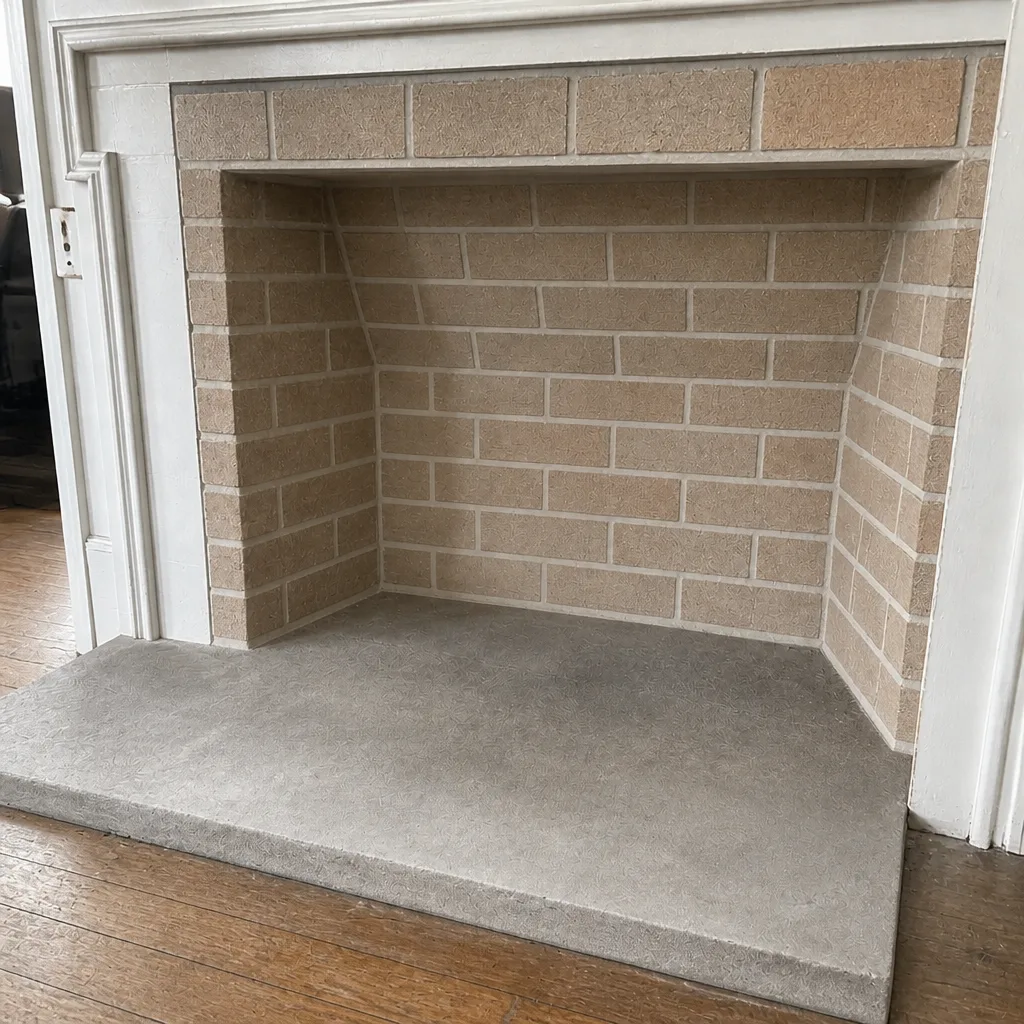 After
Frequently Asked Questions
A standard chimney sweep in the Providence area typically runs in the range of roughly $150 to $350, depending on the flue type, the creosote stage, and whether the sweep is being bundled with a formal inspection. Additional charges apply when the flue is heavily fouled or requires a rotary system to clear Stage 2 creosote. Call (833) 315-2861 for an exact quote; estimates are free.
Not unless the inspection actually shows your liner is compromised. A camera scan is the deciding evidence: cracks, gaps in mortar joints, or spalling inside the flue justify repair or relining, and a clean, sound clay liner does not. In our experience the value of an honest inspection is that it can say “your liner is fine” as easily as it can say “it isn’t.” Ask to see the camera image yourself. Call (833) 315-2861 to book a sweep and inspection; estimates are free.
Most homes with a wood-burning fireplace benefit from a professional sweep and inspection once a year, timed before the heating season. Homes that burn heavily, burn unseasoned wood, or have a small flue may need more frequent attention. Homes that burn only occasionally can often follow the same annual schedule, because the annual visit is as much inspection as cleaning. Call (833) 315-2861 to schedule your sweep; estimates are free.
Skipping the sweep allows creosote to build up inside the flue, and at some point it can ignite and cause a chimney fire. It also lets small problems, like a cracked liner or a failed cap, go unnoticed for years. A neglected chimney is one that fails quietly. The safety case is the reason chimney maintenance is treated as non-negotiable in the trade. Call (833) 315-2861 to book a sweep and inspection; estimates are free.
Yes, for light maintenance only: clearing a reachable cap, checking the damper, removing firebox debris, and storing firewood properly. You should not attempt the flue brush-up from the roof or work on the liner yourself, and you can’t evaluate creosote stage or liner condition without an inspection. The annual professional visit establishes the baseline; DIY maintenance covers the gaps in between. Call (833) 315-2861 to schedule the annual sweep.
Not the way a professional sweep report does. Insurance policies generally expect reasonable care, and a written sweep and inspection report documents that care in a way a self-brushed chimney cannot. If you ever need to file a claim tied to a chimney fire, the maintenance record on file matters. The cleanest approach is to have a professional sweep each year and do the light maintenance between visits yourself. Call (833) 315-2861 for a free estimate.
The Bottom Line
The DIY chimney cleaning debate isn’t really about the $40 brush. It’s about whether a homeowner can supply the diagnostic value of a professional inspection: the camera scan, the draft test, the smoke chamber evaluation, and the written report. For light surface maintenance between professional visits, DIY is reasonable and worth doing. For the flue itself, especially in Providence’s older housing stock with clay tile liners and intermittent shoulder-season burning, the annual professional sweep and inspection is what actually protects the home. Our technicians have up to 12 years of experience, and we work with the materials the trade trusts. If you’ve been doing your own brushing and haven’t had a proper look inside your flue, this is the year to change that.
Ready to book a sweep or a standalone inspection? Call Providence Chimney Cleaning at (833) 315-2861. We answer 24/7. Fast dispatch from 7am to 7pm, Sunday through Friday. Free estimates, flat pricing set by the written estimate, and a camera image you can see for yourself.
Written by the team at Providence Chimney Cleaning.