
Last updated November 16, 2026
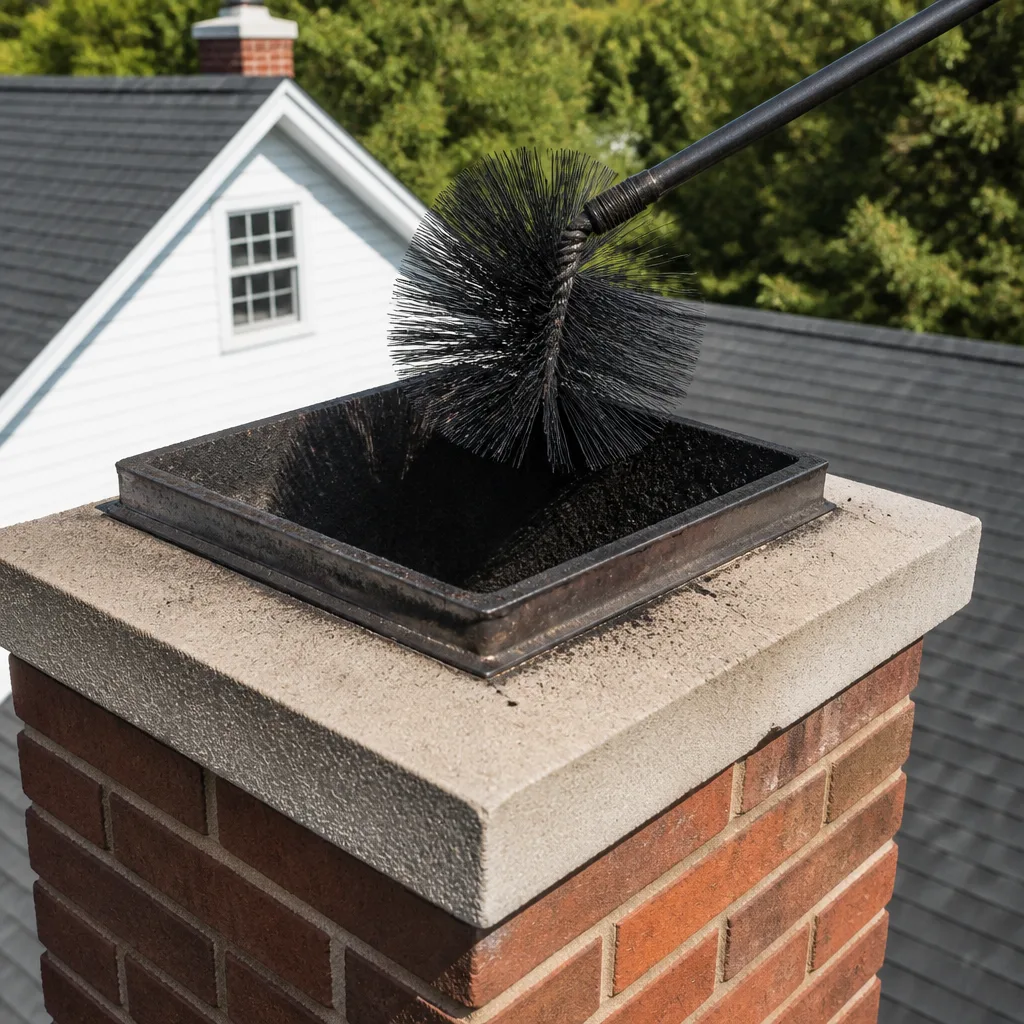 Sweep & inspection
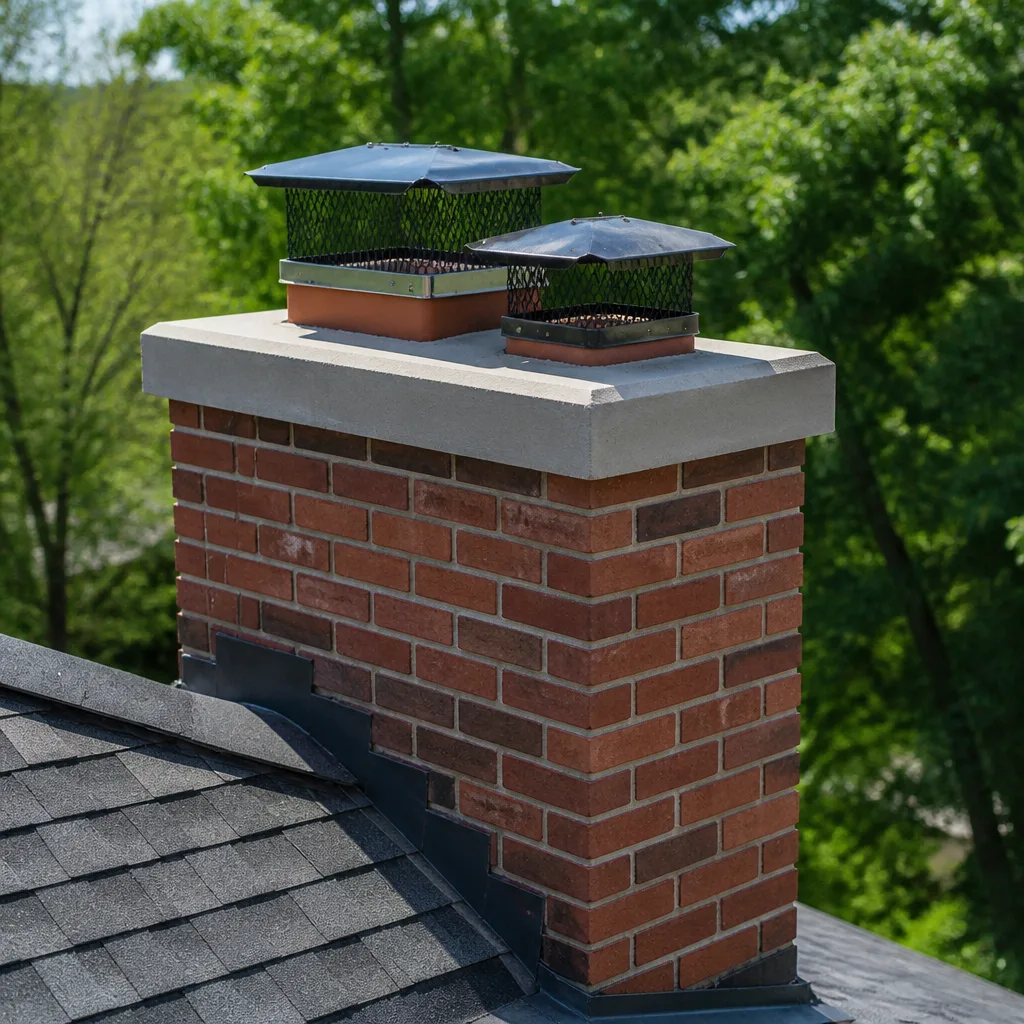 Caps & crowns
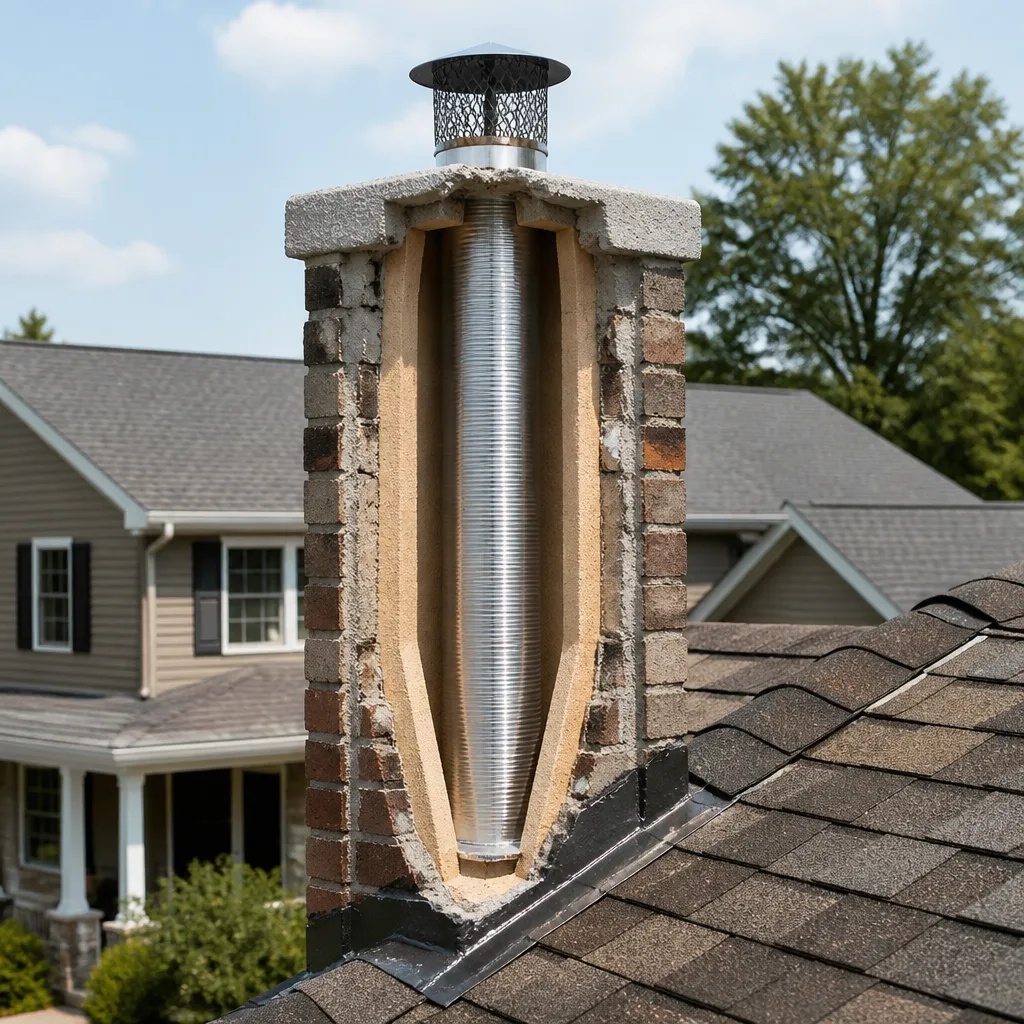 Flue relining
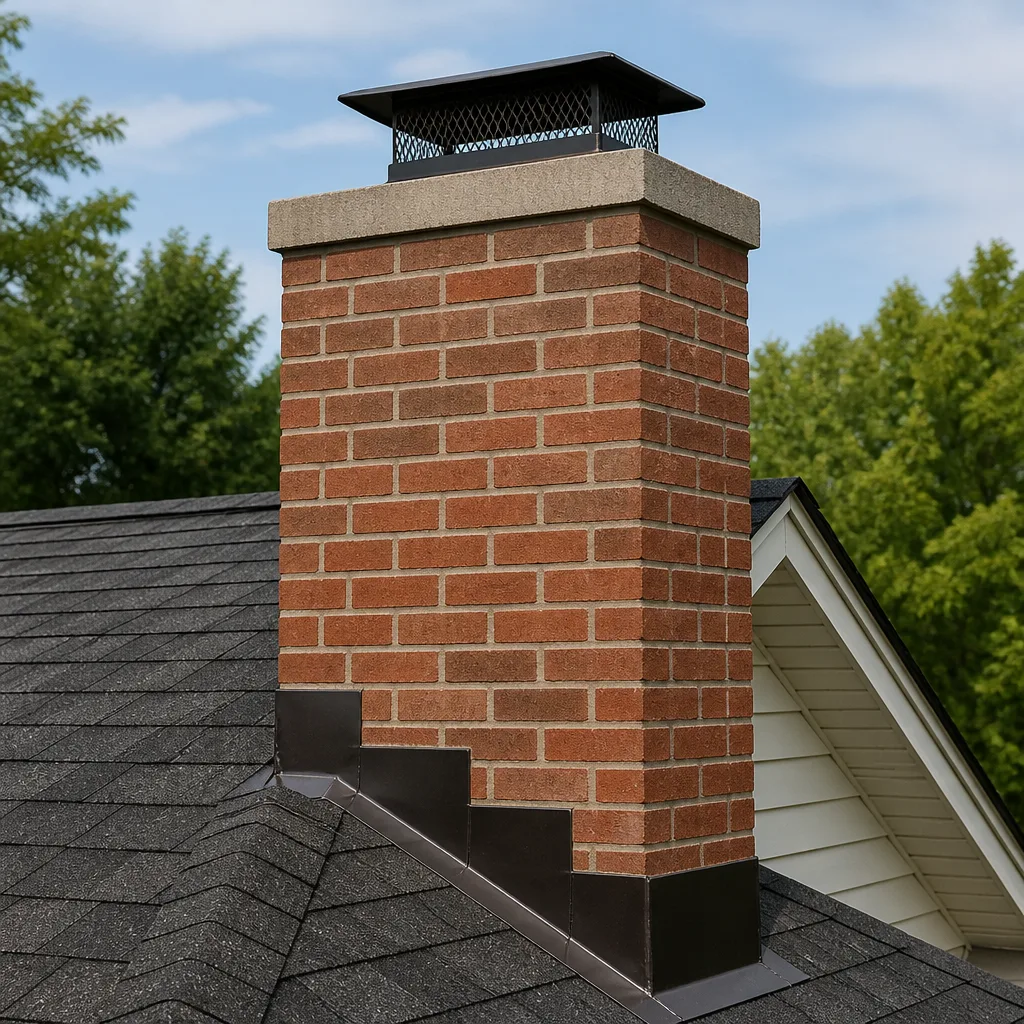 Masonry repair
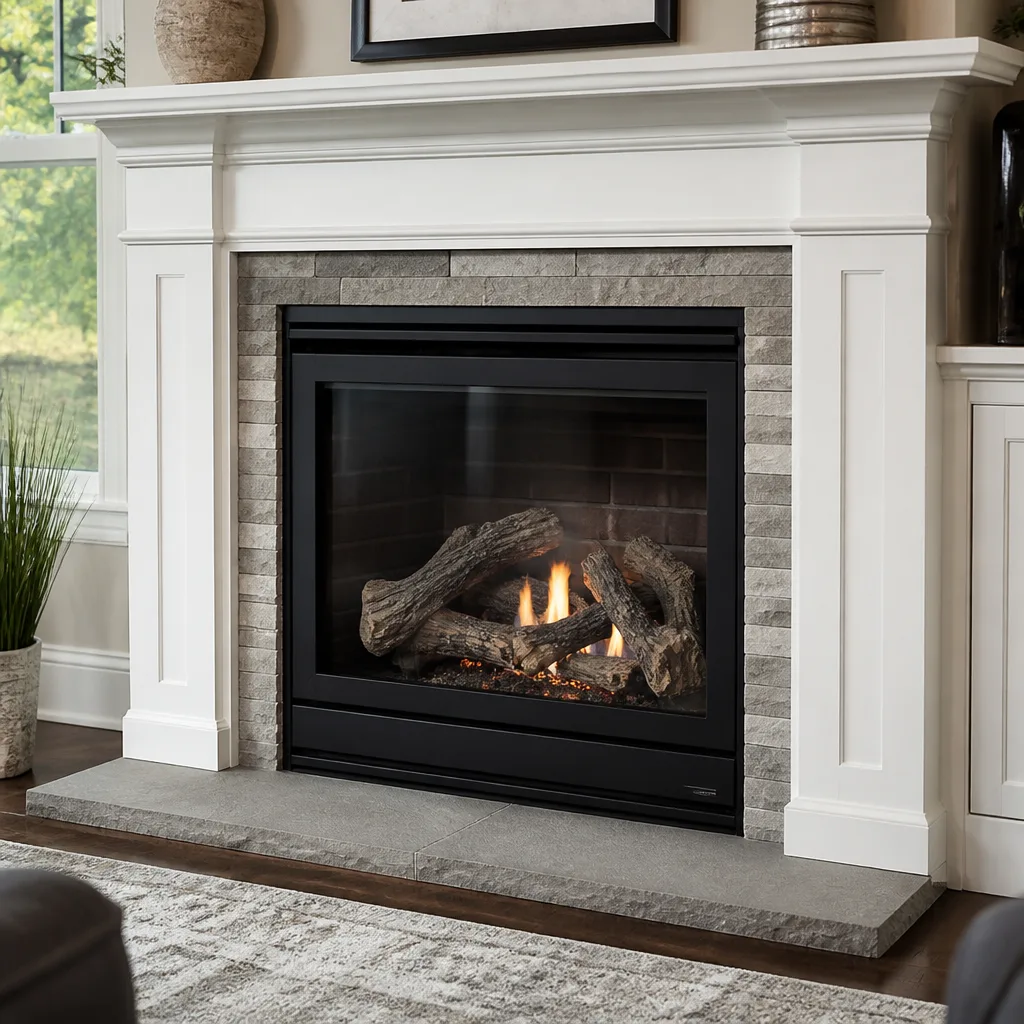 Gas fireplace service
Level 1 sweep and inspection to the NFPA 211 annual standard - flue, crown, cap, and flashing checked and photographed
Chimney sweep logs do not sweep chimneys. They loosen some creosote - which then falls where a brush and vacuum still have to collect it.
Choosing the Right Chimney Cleaning Brand: A Buyer’s Guide for Providence
Most homeowners never think to ask what brand of liner, sealant, or refractory mortar their chimney contractor uses. They ask about price, they ask about scheduling, and that’s usually where the questions stop. But those material choices are the difference between a repair that holds for decades and a patch that fails through the first hard freeze. In a city where winter comes on fast and stays, the products behind the work matter as much as the hands doing it. This guide walks Providence homeowners through the professional-grade suppliers that serious chimney contractors rely on, how to separate trade-level materials from hardware-store substitutes, and what to look for on a contractor’s spec sheet so you can ask better questions before the work begins.
Quick Answer
The right chimney cleaning brand in Providence is one that uses professional-grade materials from suppliers the trade trusts, documents them on a written estimate, and can tell you exactly which liner grade, sealant system, and cap product will go into your flue. Ask any contractor what products they’ll install and why. If they can’t name the manufacturer or show you a spec, that’s your answer about the quality of the work.
Styles & brands we work with
- Sweep & inspection
- Caps & crowns
- Flue relining
- Masonry repair
- Gas fireplace service
Table of Contents
- Why the Brand Behind the Brush Matters More Than the Brush
- The Professional-Grade Suppliers and What Each Is Known For
- Stainless Liner Grade: 304 vs. 316L and Providence Oil Heat
- Creosote Removal: What “Destroyer” Classifications Actually Mean
- Crown Coat Repairs and Providence’s Freeze-Thaw Cycle
- How to Read a Contractor’s Material Spec Sheet
- Questions to Ask Before You Book
Why the Brand Behind the Brush Matters More Than the Brush
The materials behind a chimney job outlive the crew that installed them, for better or worse. A stainless liner is expected to sit inside a flue for decades. A crown coating has to survive every freeze-thaw cycle Providence throws at a roof. A cap has to keep out rain and animals year after year. When a contractor sources those products from the trade supply chain, the job is built to last. When they source from whatever’s on the shelf at a home center, the job is built to a price.
There’s a practical reason this gap exists. Chimney work is a small, specialized trade. The products that perform best are sold through professional supply lines, not retail shelves, because they’re formulated for the specific conditions a flue puts them through: high heat, creosote exposure, and constant moisture. A consumer-grade sealant might work fine on a driveway crack. It has no business inside a chimney.
The other side of this is the three pillars of chimney care: the sweep, the inspection, and the repair. Houses in Providence neighborhoods like Elmwood, South Providence, and Mount Pleasant tend to be older, with masonry chimneys that have real history inside them. When one company handles all three pillars, the person sweeping your flue sees the same condition the inspector documents and the repair crew will later work on. Nothing gets lost between contractors.
Your chimney is a venting system first, a fireplace second. The fireplace is what you see. The venting is what keeps combustion gases moving up and out instead of back into your home. The products that line, seal, and cap that system are what make it work. That’s why a buyer’s guide to chimney brands belongs in front of every homeowner before they book a sweep.
The Professional-Grade Suppliers and What Each Is Known For
Learning a handful of names gives you real leverage in a conversation with any contractor. Each of these suppliers is known in the trade for a specific kind of product, and knowing which one fits your situation is half the battle.
- Rutland is known in the trade for creosote removers and chimney cleaning products – the chemical side of maintenance. Their products are widely used for breaking down light to moderate creosote deposits between sweeps.
- HeatShield is known for its resurfacing system, a contractor-grade method for restoring compromised flue tiles without a full rebuild. It’s a repair material, not a consumer patch, and it’s installed by trained technicians using a specific process.
- Lyemance is known for top-sealing damper products – energy-saving caps that seal the flue when the fireplace isn’t in use. They’re a weatherproofing and efficiency product, not just hardware.
- Homesaver is known for chimney covers, caps, and venting components built to professional tolerances. Their caps are a standard choice for weatherproofing a flue properly.
- DuraFlex is known for flexible stainless liner systems used in relining. These are the ductile, code-compliant liners that conform to the flue’s path rather than fighting it.
- Gelco and Famco are known for flue and cap products that let a contractor source the right component instead of substituting a generic part.
- Copperfield and Olympia Chimney round out the trade supply lines with liner and venting components that professionals specify by application.
What separates these names from the consumer shelf is the specification behind them. A professional-grade cap is sized and rated for the flue it sits on. A generic cap is whatever fits the box. When you ask a contractor what brands they’ll install, you’re really asking whether they specify the right product for your flue or reach for whatever’s closest.
Stainless Liner Grade: 304 vs. 316L and Providence Oil Heat
If your home runs an oil-fired heating system, the stainless grade of your liner is not a small detail. Oil combustion produces a more corrosive flue environment than wood, and the grade of stainless steel determines how long a liner survives that environment. This matters in Providence, where a meaningful share of older homes still heat with oil.
Here’s how the two grades compare:
- 304 stainless is the standard grade for wood-burning appliances. It handles the heat and the creosote exposure of a wood fire well. It’s a solid choice for a wood flue in good condition.
- 316L stainless adds molybdenum to the alloy, which gives it real resistance to corrosive flue gases. For oil-fired systems, and for wood appliances where higher corrosion resistance is warranted, this is the grade professionals typically specify.
The practical question is simple: which grade is going into your flue, and does the contractor’s written estimate say so? If the paperwork just says “stainless liner,” you don’t know what you’re getting. A professional spec will name the grade, the manufacturer, and the warranty terms that come with it.
Verifying it takes a few steps:
- Ask the contractor to state the liner grade in writing before you sign anything.
- Ask for the manufacturer and product line, not just “a liner.”
- Confirm the liner is rated for your appliance type – wood, oil, or gas.
- Check that the estimate ties the liner to a warranty rather than leaving it as a verbal promise.
- When the liner is delivered, the material should be identifiable against the spec.
We install DuraFlex flexible liner systems for relining, and we specify the grade to match the appliance. That’s a contractor-grade approach, not a one-size-fits-all purchase. Providence homeowners with oil heat deserve a straight answer about which stainless they’re paying for.
Creosote Removal: What “Destroyer” Classifications Actually Mean
The word “destroyer” on a chimney product label is one of the most misunderstood terms in the trade. It doesn’t mean the product destroys creosote in one application regardless of severity. It refers to the classification of the chemical power – and each class has a specific job.
Creosote builds up in stages. First-degree creosote is the light, flaky soot that brushes out easily. Second-degree creosote is the hardened, tar-like glaze that clings to the flue walls and resists a standard brush. Third-degree creosote is the dense, hardened glaze that requires mechanical removal, and it’s the stage that most raises chimney fire risk. Chemical products are formulated for the first two degrees. They won’t safely handle third-degree glazing on their own.
- First-degree destroyers target light soot and dust deposits. They’re using during routine maintenance between sweeps to keep flaky buildup from hardening.
- Second-degree destroyers target the harder, glazed creosote. They work by chemically softening the deposit so it can be brushed out safely. They’re appropriate for moderate glazing, applied by someone who understands the staging.
- Third-degree is not a chemical job. It’s mechanical, and it requires a professional who can assess the flue lining as they remove it, because heavy glazing often hides damage underneath.
Here’s where the danger sits. Applying a strong chemical product to heavy, hardened glazing without understanding the condition underneath can hide a problem or damage a compromised flue. It also creates a fire risk if the deposit isn’t fully removed. That’s why creosote treatment belongs in the hands of someone who can read the flue first and match the product to the stage.
A clean chimney is a code-compliant chimney. The creosote categories exist to keep the work tied to what’s actually in the flue, not to sell a product. We sweep first so we can see the true stage before recommending any chemical treatment, and we say plainly when a light deposit can wait for the next seasonal sweep.
Crown Coat Repairs and Providence’s Freeze-Thaw Cycle
The chimney crown is the concrete cap that sits on top of the masonry and sheds water away from the flue. When it cracks, water gets in, freezes, and pushes the masonry apart. In a Providence winter, that cycle repeats over and over, and a failed crown can go from a hairline crack to a structural problem faster than most homeowners expect.
The material choice for the repair is what determines whether it holds. Standard mortar is the cheap fix, and it’s a poor one. Mortar is brittle, rigid, and prone to re-cracking through thermal cycling. A polymer-based crown coating is flexible enough to bridge small movement and shed water without fracturing. That flexibility is exactly what a Providence freeze-thaw cycle demands.
A properly executed crown coat repair involves more than brushing on a product:
- The old coating and loose material are removed so the new product bonds to sound concrete.
- Cracks are cleaned out and the surface is prepped to accept the repair material.
- A polymer-based crown product is applied at the correct thickness, per the manufacturer’s specification.
- The edge of the crown gets attention, because that’s where water pools and the first cracks form.
- The flue-to-crown transition is sealed so water can’t get behind the crown.
- The finished coat is checked for coverage and slope so water sheds away from the flue.
When a contractor quotes a crown repair, ask what product will go on and whether it’s polymer-based. If the answer is “mortar,” ask how they’ll prevent it from re-cracking through a Providence winter. The right product for a freeze-thaw climate is not the same as the right product for a mild one.
How to Read a Contractor’s Material Spec Sheet
A material spec sheet tells you what will actually go into your chimney. Read it the way you’d read a parts list for any major repair, because that’s what it is. The document should name the manufacturer and product for each component, not just the category.
Here’s what to look for:
- Manufacturer and product line for every component, from the liner to the cap to the crown coating.
- Grade or rating where it applies. For a stainless liner, the grade matters. For a coating, the product family matters.
- Warranty terms that are specific and written, not verbal. A product warranty is different from a workmanship warranty, and you want both stated.
- Application notes that show the contractor knows the product’s requirements, like cure times and surface prep.
- Parts sourcing that names the supplier rather than saying “standard cap.”
What to question: any line that says “stainless liner” without a grade, any cap described as a “standard cover,” and any repair quoted as “mortar patch.” Those phrases are signs of a generalist reaching for whatever’s available, not a specialist specifying the right product.
What it means when a contractor can’t or won’t provide a spec: treat it as a real answer. A specialist in chimney work sources from professional supply lines and knows what’s going in. If the paperwork is vague, the work behind it is probably vague too. We work with HeatShield resurfacing for liner repair and DuraFlex for relining, and we put the product on the estimate so the homeowner can see it before booking.
Questions to Ask Before You Book
A few direct questions will separate a specialist from a generalist with a brush. None of them are confrontational. They’re the same questions a good contractor answers without being asked.
- What brand and grade of liner will you install, and will you put that in writing?
- Is the liner rated for my appliance type, whether that’s wood, oil, or gas?
- What product do you use for a crown repair, and is it polymer-based?
- Which cap and venting products do you source, and from which supplier?
- Do you sweep, inspect, and repair, or will I need another contractor for part of the job?
- Can you show me the condition of the flue before recommending work, and tell me plainly when something can wait?
That last question is the one that matters most. The real hesitation most homeowners carry is being told they need thousands of dollars of work they have no way to verify. A contractor who treats inspection as a standalone professional service, not a sales funnel, will show you what they see and say when work can safely wait. That’s the standard we hold ourselves to in Providence. One company handles the sweep, the inspection, and the repair, and nothing gets recommended without evidence the homeowner can see for themselves.
Learn more about our Providence Chimney Cleaning services, or read about the specifics of a chimney sweep and chimney repair if you want to go deeper into either pillar.
Common Mistakes to Avoid
- Accepting “stainless liner” without a grade. If your estimate doesn’t say 304 or 316L, you don’t know what’s going in, and for an oil-fired Providence home that’s a costly gap. Ask for the grade in writing before signing.
- Treating a mortar patch as a crown repair. Mortar cracks again through the first Providence freeze-thaw cycle. A polymer-based crown coating flexes with the temperature swings; standard mortar doesn’t.
- Buying a chemical creosote destroyer and applying it to heavy glazing yourself. Third-degree creosote needs mechanical removal by a professional who can read the flue. A retail product can hide damage or leave a fire risk behind.
- Hiring one company to sweep and another to inspect. Splitting the pillars means the person sweeping and the person documenting are looking at different things. A single specialist team keeps the assessment consistent.
- Choosing the cheapest bid without asking about materials. The lowest quote usually tracks back to the cheapest products. On a chimney, the cheapest products are the ones that fail first and cost the most to fix.
- Assuming a chimney cap is a cap. A generic hardware-store cap protects less than a professional product sized and rated for your flue. Weatherproofing depends on the fit and the material.
- Skipping the written spec sheet because the conversation felt reassuring. A verbal promise about materials isn’t a guarantee. Get the manufacturer and product line on the estimate so you have something to hold the work to.
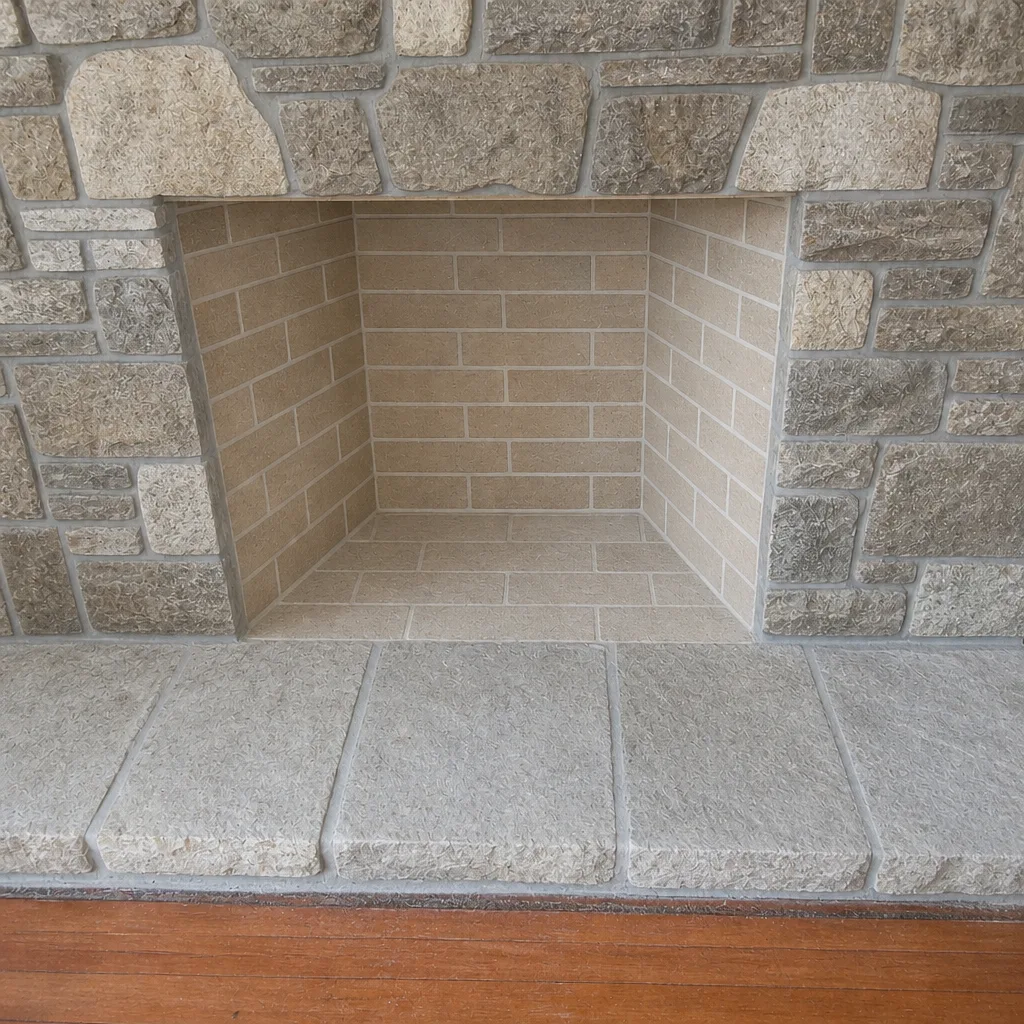
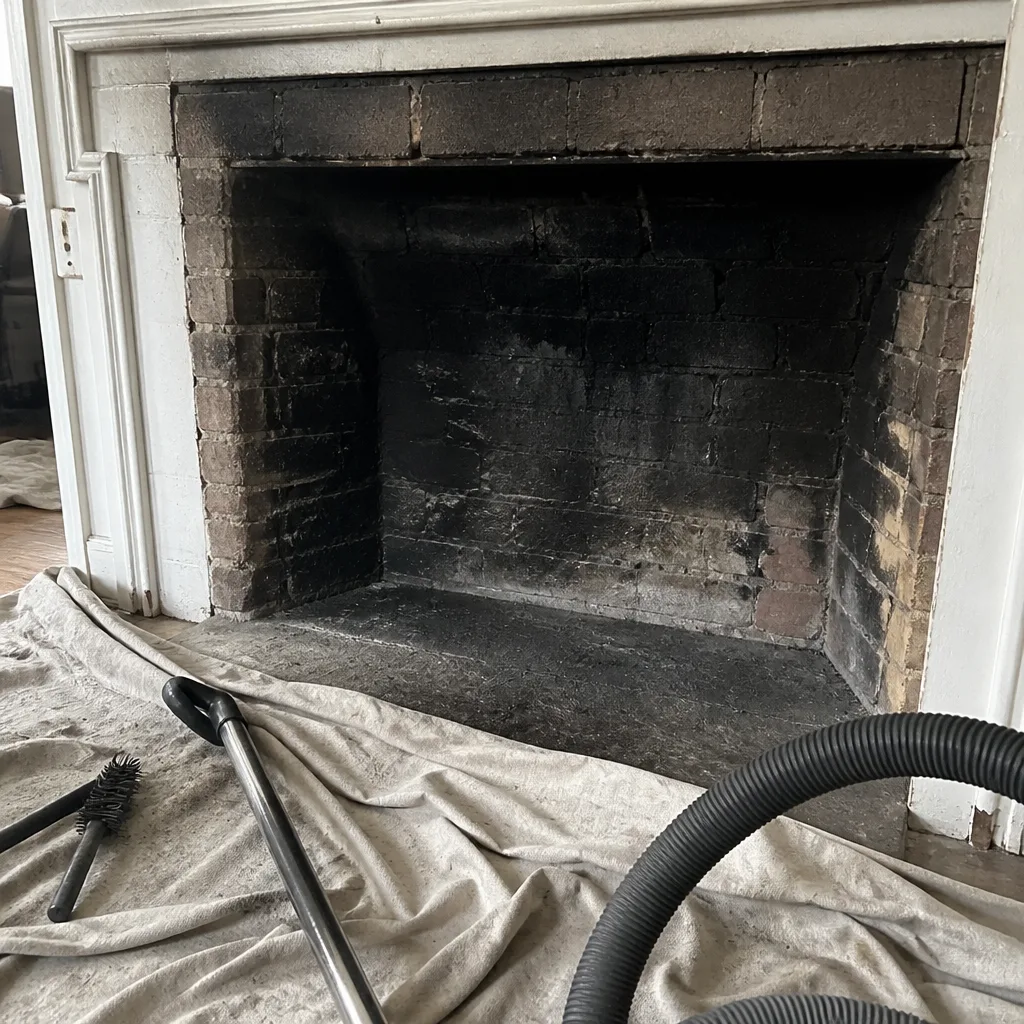
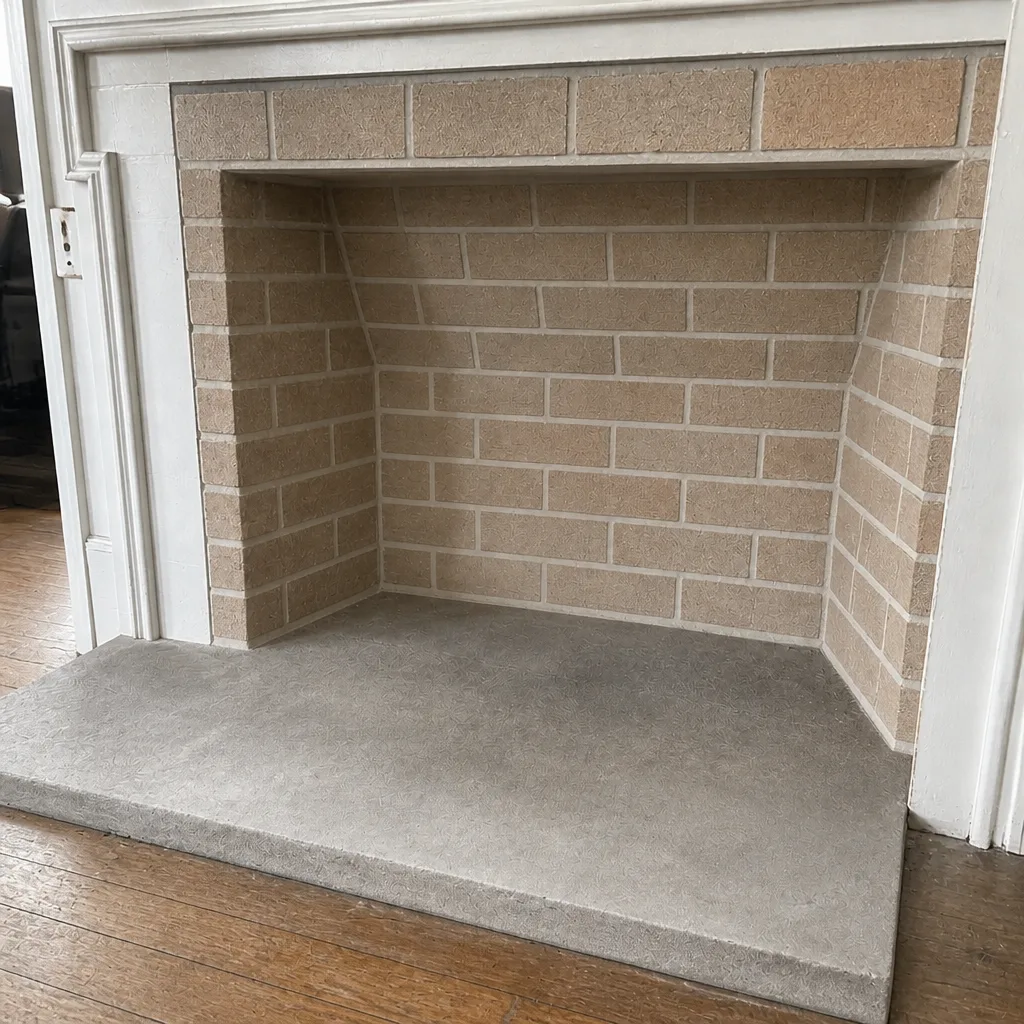
See the difference
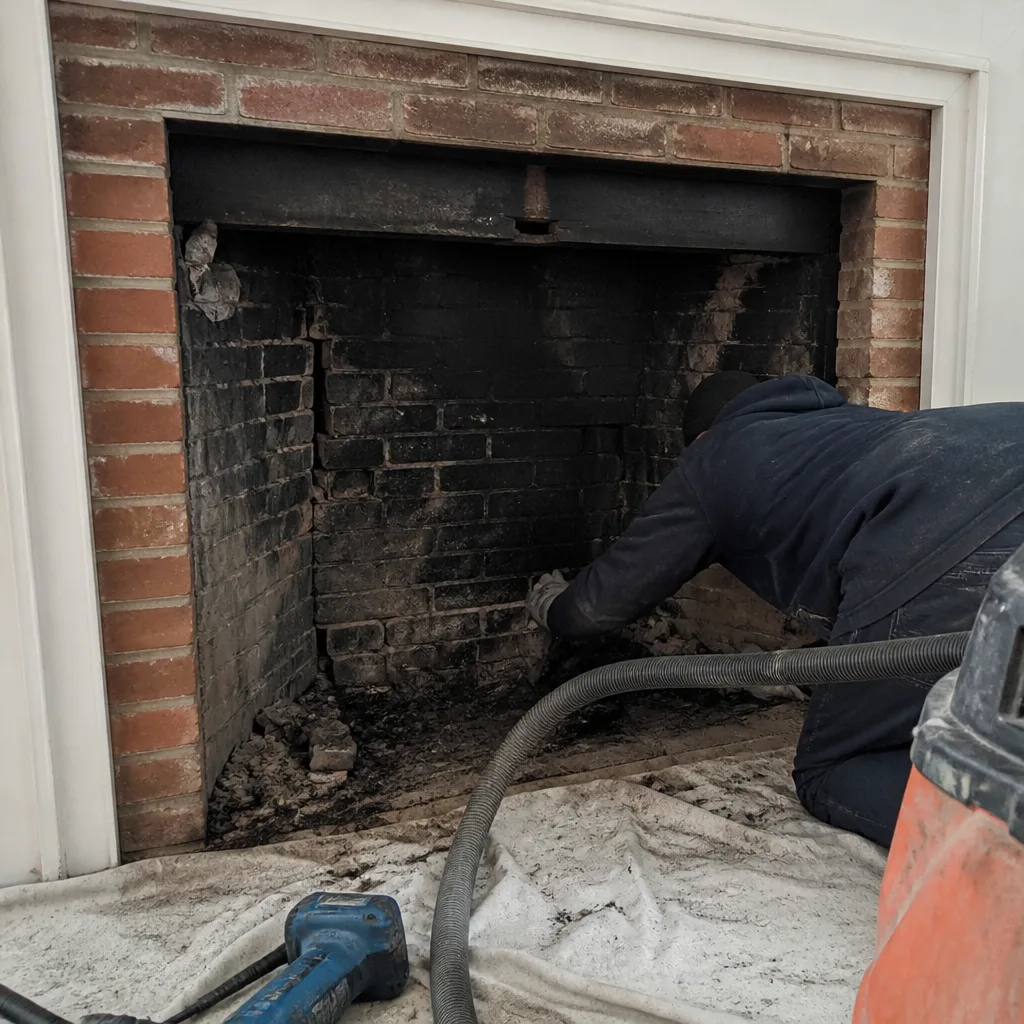 Before
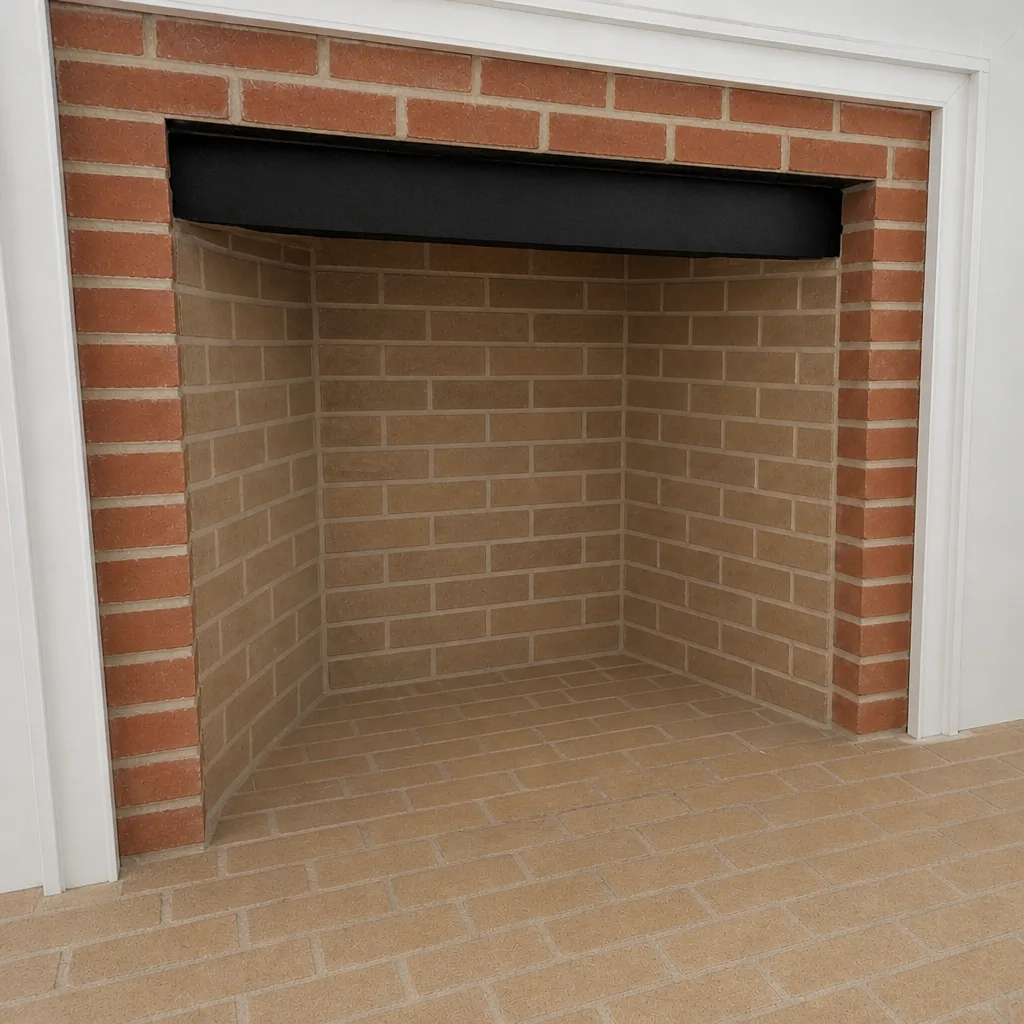 After
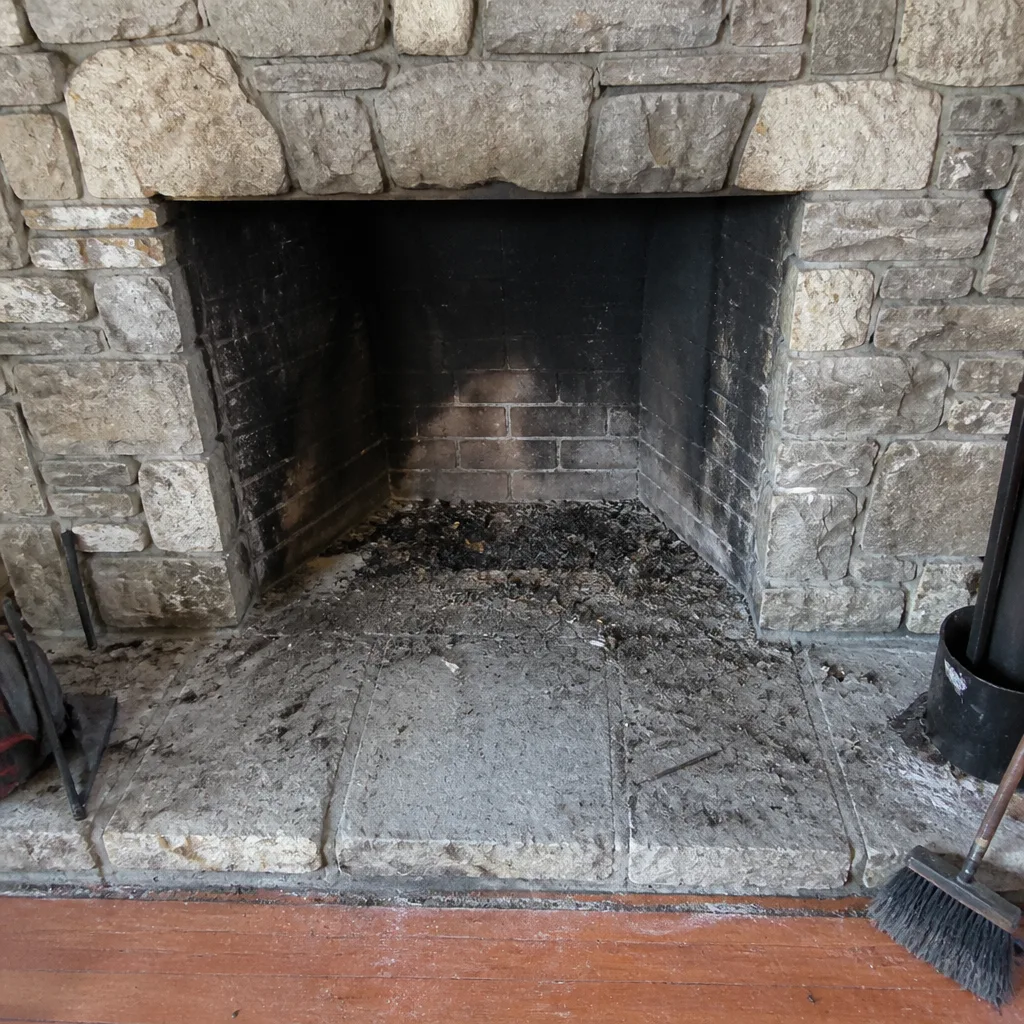 Before
 After
 Before
 After
When to Call a Professional
There are clear situations where a professional should be the one to look at the chimney. If you smell a strong, dark tar-like odor coming from the fireplace, don’t burn until someone has swept and checked the flue. If smoke rolls back into the room when you build a fire, the venting system needs an inspection, not a guess. If you see cracked or missing masonry around the crown or flue, water is likely already getting in and the freeze-thaw cycle in Providence will make it worse. And if you’ve moved into a house and have no record of the last sweep, book one so you have a baseline. A chimney that hasn’t been checked in years can carry heavy creosote and a damaged lining without any obvious sign.
Providence Chimney Cleaning offers free estimates in Providence – call (833) 315-2861. We answer 24/7. Fast dispatch from 7am to 7pm, Sunday through Friday. Our technicians have up to 12 years of experience, and we treat inspection as its own professional service so you get a straight answer before any work is booked.
Frequently Asked Questions
Look for professional-grade suppliers like HeatShield for flue resurfacing, DuraFlex for flexible stainless liners, Gelco and Famco for caps and venting components, and Copperfield or Olympia Chimney for liner and venting systems. What matters most is that the contractor names the product and grade on a written estimate. Ask specifically which liner grade – 304 or 316L – applies to your appliance, and whether any repair uses polymer-based products. Call (833) 315-2861 for an exact quote – estimates are free.
304 stainless is the standard grade for wood-burning appliances, and 316L adds molybdenum for real resistance to corrosive flue gases, making it the grade professionals typically specify for oil-fired systems. If your Providence home heats with oil, the grade is not a small detail – it determines how long the liner lasts. Ask for the grade in writing. Call (833) 315-2861 for an exact quote – estimates are free.
No. Chemical destroyers are formulated for first- and second-degree creosote – light soot and moderate glazing. Third-degree glazing is dense and hardened and needs mechanical removal by a professional who can assess the flue for hidden damage as it’s removed. Applying a strong chemical to heavy glazing can hide a problem or leave a fire risk. Call (833) 315-2861 for an exact quote – estimates are free.
Once a year is the standard for a wood-burning chimney that sees regular use, and a professional inspection each year catches changes before they become repairs. In Providence’s climate, the freeze-thaw cycle makes annual checks of the crown and masonry especially worthwhile. A sweep booked before the heating season keeps the flue clear and code-compliant. Call (833) 315-2861 for an exact quote – estimates are free.
A polymer-based crown coating flexes with temperature changes and sheds water, while standard mortar is rigid and re-cracks through the first freeze-thaw cycle. In a Providence winter, that cycle repeats all season, so a brittle mortar patch fails fast. The polymer product is the professional-grade choice because it’s built to move with the masonry instead of fighting it. Call (833) 315-2861 for an exact quote – estimates are free.
A contractor who can’t or won’t provide a material spec sheet is telling you something about the work. Spec sheets exist because professional supply lines document their products, and a specialist knows what’s going into your chimney. If the paperwork stays vague, the work probably will too. Look for written names, grades, and warranty terms. Call (833) 315-2861 for an exact quote – estimates are free.
The Bottom Line
The chimney cleaning products behind the work are a direct signal of the quality you’ll receive. Professional-grade suppliers like HeatShield, DuraFlex, Gelco, and Copperfield exist because the trade demands materials built for heat, creosote, and constant moisture – and a contractor who specifies them by name is showing you their standards. In Providence, where freeze-thaw cycles test every crown and oil heat demands the right liner grade, those choices determine whether a repair lasts a season or a few decades. Ask what brand, what grade, and what product. Get it in writing. Then book with confidence.
Whether you need a sweep, an inspection, or a repair that calls for contractor-grade materials, our team is here to walk you through it. Read more about our work in Providence, then call Providence Chimney Cleaning at (833) 315-2861 for a free estimate. We answer 24/7. Fast dispatch from 7am to 7pm, Sunday through Friday. Flat-price options are agreed before booking, and nothing gets recommended without evidence you can see for yourself.
Written by the team at Providence Chimney Cleaning.