
Last updated November 16, 2026
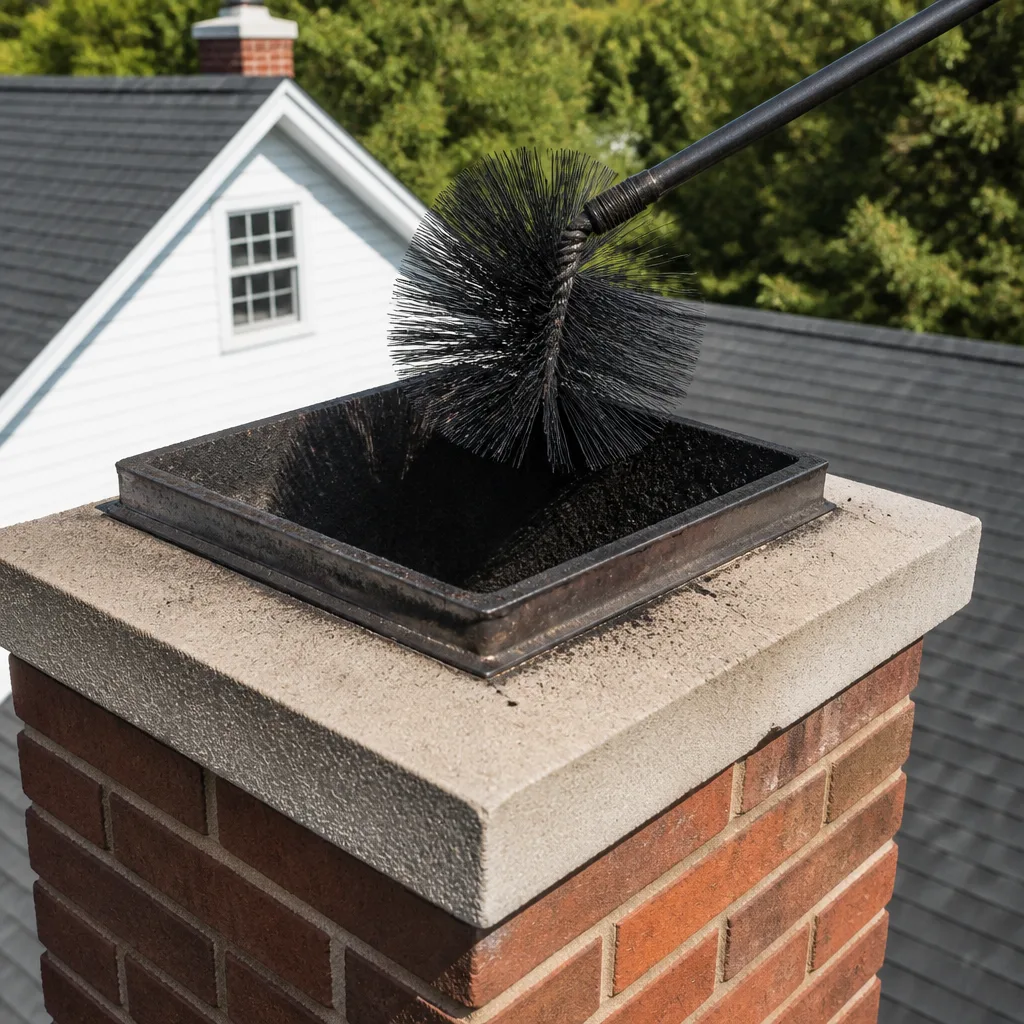 Sweep & inspection
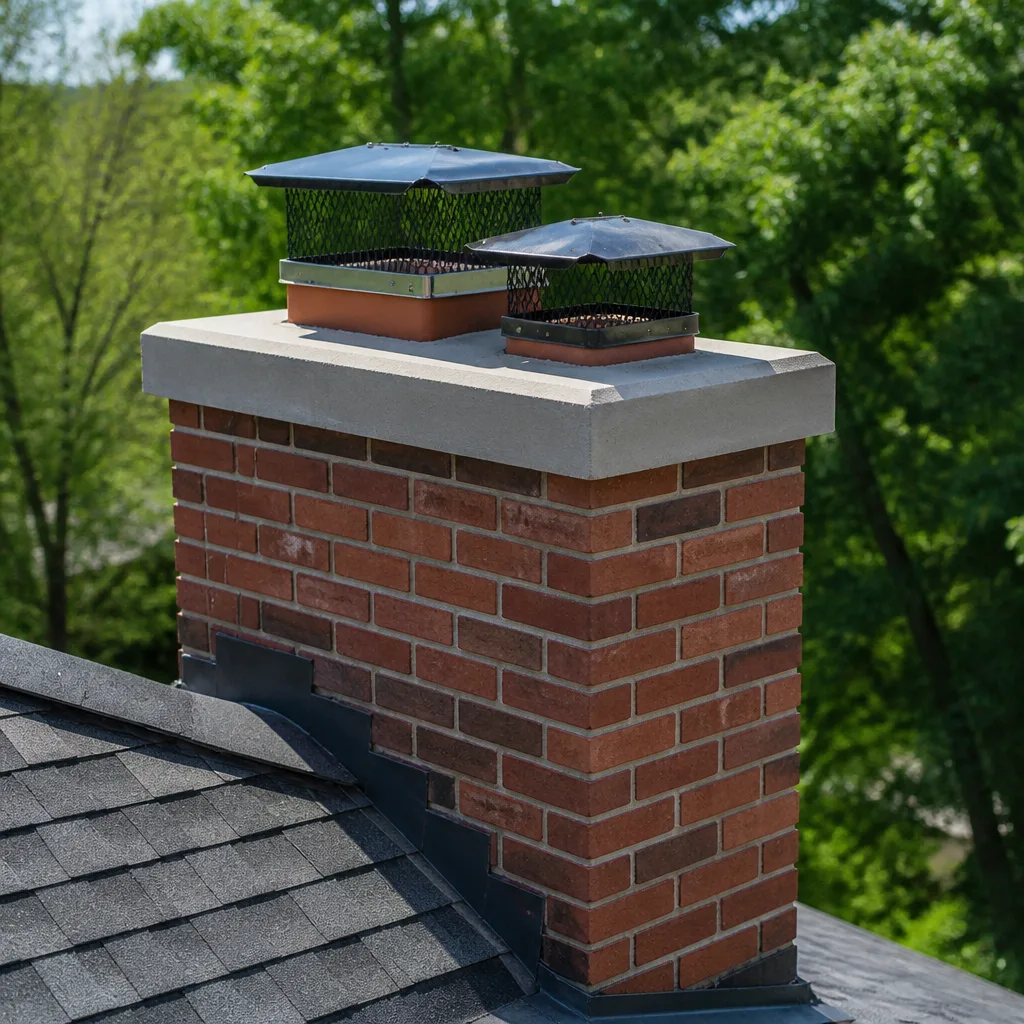 Caps & crowns
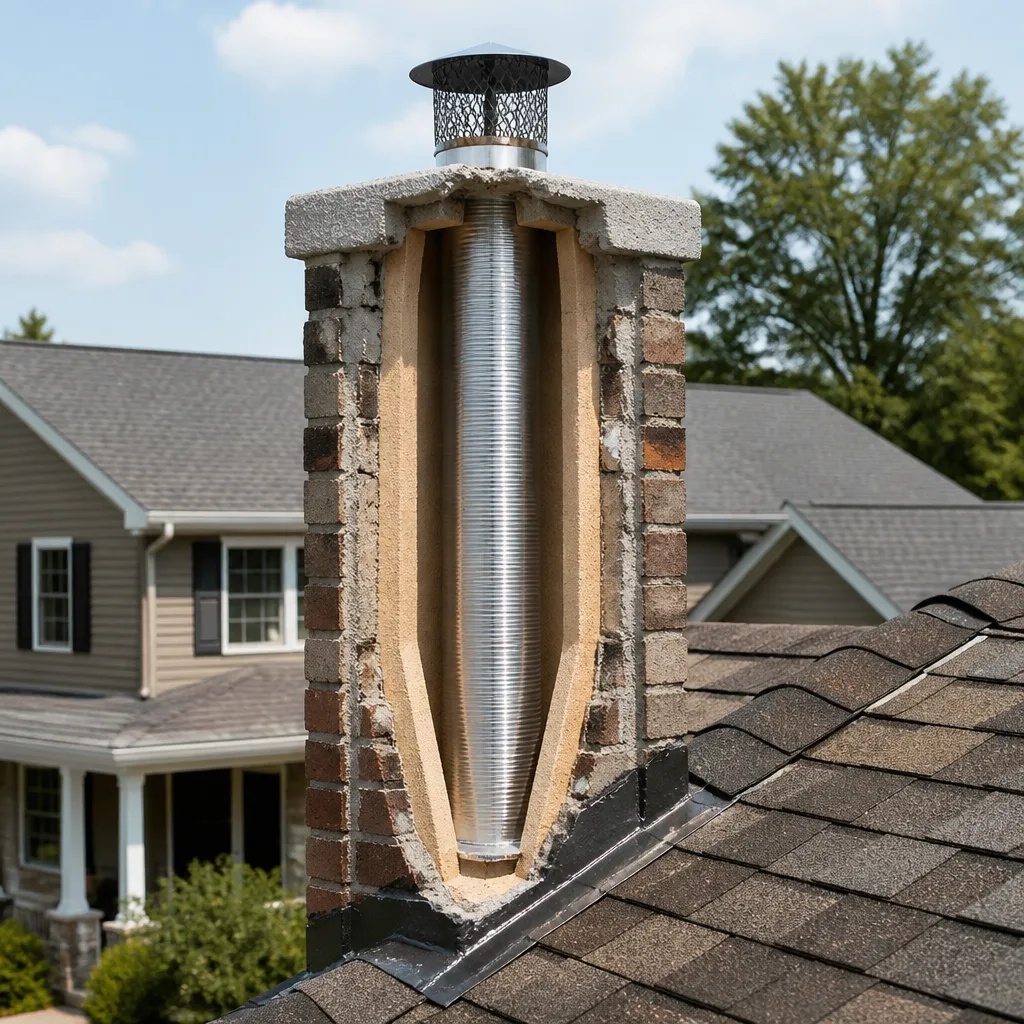 Flue relining
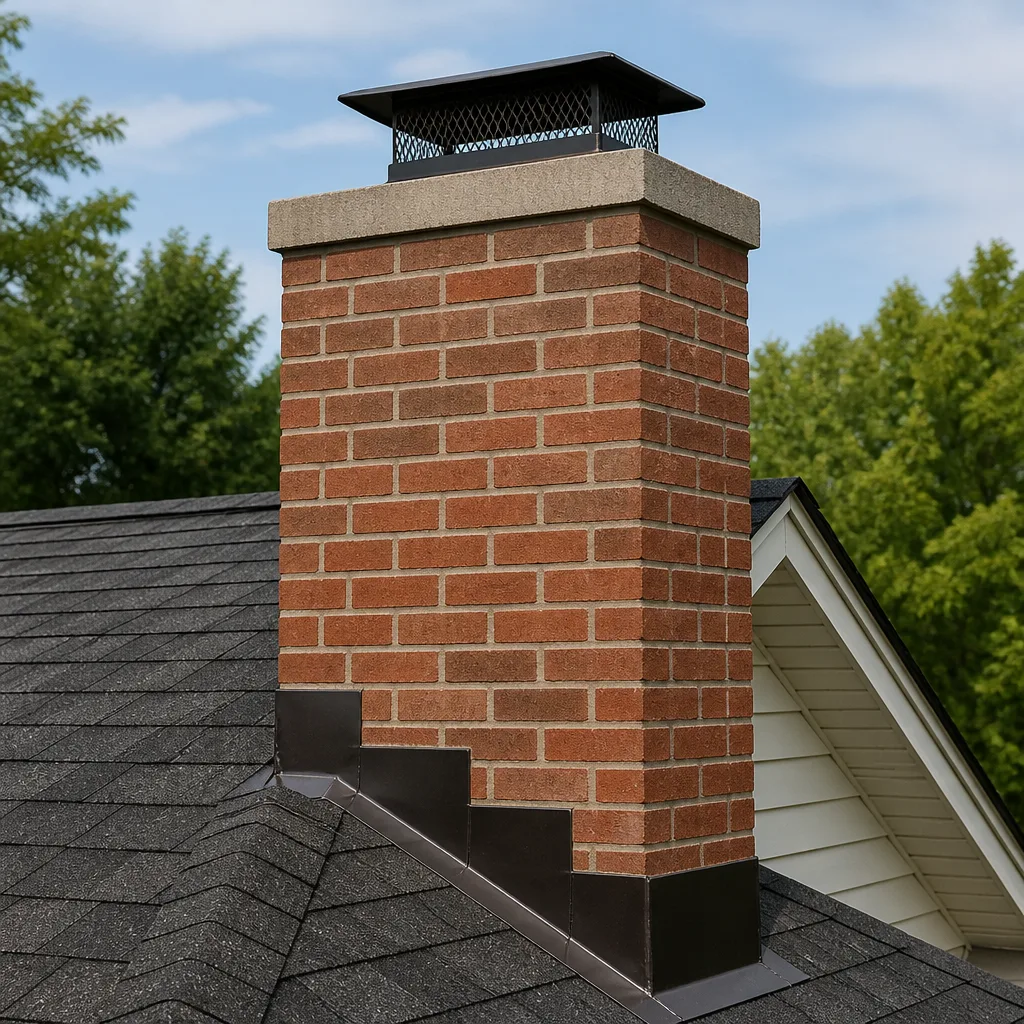 Masonry repair
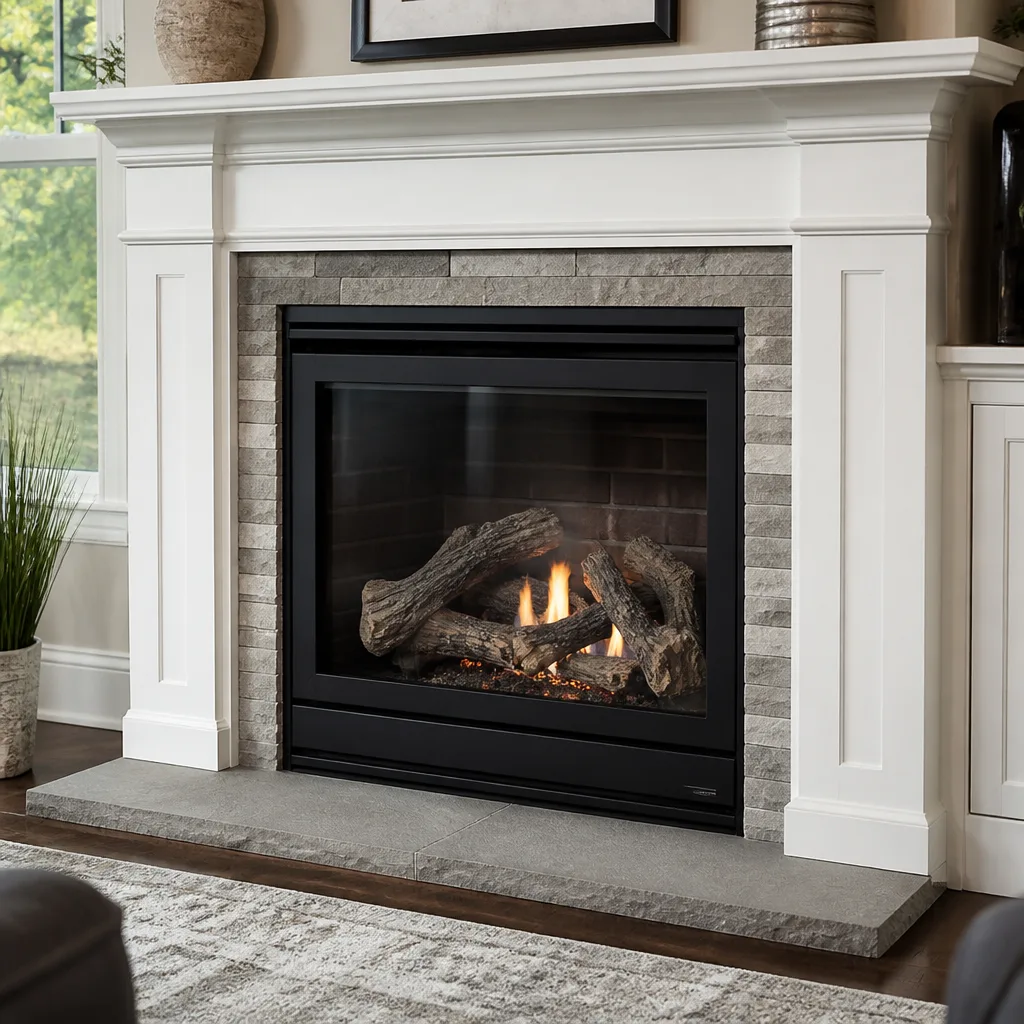 Gas fireplace service
Level 1 sweep and inspection to the NFPA 211 annual standard - flue, crown, cap, and flashing checked and photographed
Chimney sweep logs do not sweep chimneys. They loosen some creosote - which then falls where a brush and vacuum still have to collect it.
Chimney Sweep Maintenance Schedule: What to Do and When
Gas fireplace owners skip chimney maintenance more often than wood burners, and they’re the ones most likely to miss a failing liner until carbon monoxide becomes the reason they call. That’s the counterintuitive truth about chimney care: the cleanest-burning appliance in your home still has a venting system that deteriorates quietly out of sight. A single annual sweep is the floor, not the ceiling. The right cadence depends on what you burn, how often you burn it, and how your flue is built. This guide lays out separate timelines for wood, gas, and oil, the two inspection windows that matter in Providence, what you can safely check yourself, and a month-by-month calendar built for New England weather.
Quick Answer
Sweep and inspect a wood-burning chimney at least once a year, and more often if you burn heavily or see creosote buildup. Gas and oil appliances need an annual inspection, though they usually don’t need sweeping. Book a pre-season inspection in September before the first burn and a post-season check in spring. Every appliance that vents through your chimney deserves a yearly look, whether or not you light a fire in it.
Styles & brands we work with
- Sweep & inspection
- Caps & crowns
- Flue relining
- Masonry repair
- Gas fireplace service
Table of Contents
- Why One Annual Sweep Isn’t Enough
- The Wood-Burning Maintenance Timeline
- The Gas Appliance Maintenance Timeline
- The Oil-Fired Maintenance Timeline
- Pre-Season vs. Post-Season: What Each Window Catches
- What You Can Check Yourself and What You Can’t
- How Burning Frequency Changes Your Schedule
- A Year-Round Chimney Maintenance Calendar
Why One Annual Sweep Isn’t Enough
An annual sweep is the minimum, and it’s a good minimum. But a fixed once-a-year rule treats every chimney the same, and chimneys are not the same. A home in the Mount Pleasant neighborhood burning seasoned hardwood a few nights a week has a different buildup profile than a house running an oil furnace through a long winter, or a condo in downtown Providence with a gas insert that hasn’t been looked at in years.
Your chimney is a venting system first, a fireplace second. That reframe matters because the fireplace gets all the attention while the flue does all the work. Creosote, the tar-like residue left by wood smoke, accumulates at a rate that depends on fuel moisture, burn temperature, and how often you run the fire. A chimney that sees steady fires can reach a buildup stage in a single season that a light-use chimney takes years to reach.
Fuel type changes everything about what you’re watching for:
- Wood produces creosote and needs sweeping based on buildup.
- Gas burns clean but can produce corrosive condensation and can hide a deteriorating liner.
- Oil leaves soot and sulfur residue and needs inspection for both buildup and venting integrity.
The schedule that’s right for your home follows your fuel and your habits, not a blanket rule. Getting the cadence right is how Providence homeowners avoid the buildup that creeps up unseen between visits.
The Wood-Burning Maintenance Timeline
Wood is the fuel that most demands a schedule tied to actual use. Here’s a working timeline that matches real burn habits:
- Yearly, at minimum: one professional inspection and sweep. This is the floor for any wood-burning appliance, per NFPA 211 guidance.
- Mid-season, if you burn heavily: a check or sweep around the midpoint of your heating season. Homes that run a fire most nights often need it.
- Whenever buildup is visible: if creosote has accumulated to a thick or glazed layer, don’t wait for the calendar. That glazed Stage 3 creosote burns hot and is the fuel behind chimney fires.
- After any chimney fire, even a small one: a full inspection before you burn again.
- After any change to the system: a new appliance, a liner change, or storm damage all call for a look before the next fire.
Sweeping removes creosote, soot, and debris so the flue can vent correctly. A clean chimney is a code-compliant chimney, and code compliance is the practical reason the schedule exists. If a sweep turns up a cracked flue or failed joint, that moves into chimney repair territory, and it’s better to find it in September than mid-January.
In our experience, the wood-burners who get into trouble are the ones who burn a lot but think the annual rule covers them. If you’re feeding a steady fire through a Providence winter, ask for a mid-season check and let the buildup, not the calendar, set the next date.
The Gas Appliance Maintenance Timeline
Here’s where the common assumption fails. Gas fireplaces and gas inserts get skipped more than wood because they look clean and leave little ash. But a gas vent can deteriorate from the inside without any visible smoke, and the byproduct of a failing liner is carbon monoxide, which you cannot see or smell. That’s why the diagnostic should never be the gas itself.
A gas timeline looks different from wood:
- Yearly inspection: at minimum, once a year, even if the fireplace barely runs. The check is for venting integrity and liner condition, not soot.
- No routine sweeping needed: a gas appliance that’s venting and burning correctly doesn’t typically need a physical sweep, but the inspection catches what sweeping wouldn’t.
- Watch for condensation: gas produces moisture. In a cold New England flue, that condensation can corrode a metal liner over time.
- Inspect after any change: if you notice a smell, a change in flame color, or soot near the vent, get it looked at before running the appliance again.
A deteriorating gas liner is one of the highest-risk conditions we inspect for, precisely because nothing about the fireplace looks wrong. A camera inspection and photo report included with the visit shows you what the camera sees, so you’re not taking a recommendation on faith.
If gas venting turns out to need relining, a flexible system like DuraFlex is the professional-grade approach used to restore a code-compliant flue. We specify the right product for your flue rather than a generic substitute, and brands like Olympia Chimney appear in the venting components that make up a proper gas system.
The Oil-Fired Maintenance Timeline
Oil-fired heating runs on its own logic. The appliance burns continuously through the cold months, so it produces a steady stream of soot and sulfur-bearing residue that settles in the flue. Oil is not the same as wood, and it is not the same as gas. The schedule has to reflect that.
- Yearly inspection and cleaning: oil appliances need at least an annual inspection, and most benefit from a cleaning to clear soot and residue that reduce venting efficiency.
- Inspection before the heating season: the pre-season check is the most important one for oil, because the appliance runs all winter and you want it clean going in.
- Check the flue and the vent connector: leaks, corrosion, and blocked flues are the hazards to look for, and they often show up at joints.
- Watch for soot at the vent: soot near the vent isn’t normal operation. It points to incomplete combustion or a venting problem that needs a look.
Oil-fired systems in Providence often share a chimney with another appliance, and shared flues carry their own risks. An annual inspection is the moment to confirm the flue is properly sized and functioning for what actually vents through it. If you’re not sure whether your oil setup needs a sweep or an inspection, that’s exactly the question a pre-season visit answers.
Pre-Season vs. Post-Season: What Each Window Catches
Two inspections a year is the ideal for many homes, and they serve entirely different purposes. Timing them to New England weather is the practical way to get value from both.
The pre-season window is September, before the first fire. This is the one that matters most for safety. A pre-season sweep and inspection happens when the chimney has been idle through summer and any damage done last winter is still visible. It catches:
- Creosote and soot accumulated during the previous season.
- Cracks, gaps, or deterioration in the flue that developed over summer.
- Debris, nests, or blockages that settled in while the chimney was unused.
- Cap and damper problems that affect venting before you burn anything.
The post-season window is spring, after the last fire. That check catches what a fall visit can miss:
- Staining or water intrusion that appeared during the wet months.
- A creosote layer that built up over the heating season and hasn’t been cleared.
- Damage that’s easier to schedule repair for in warm weather.
- Component wear on caps and liners that had all winter to show itself.
The two windows are not interchangeable. September protects you going into the season. Spring protects the chimney after the season and gives you a warm-weather window for structural work. For most homes, September is the non-negotiable one. Spring is what separates a maintained chimney from a merely swept one.
What You Can Check Yourself and What You Can’t
There’s a real line between homeowner maintenance and trade work, and knowing where it falls keeps you and your home safe. Between professional visits, you can legitimately check a few things yourself.
What you can safely do between visits:
- Look at the cap and the exterior opening. From the ground, confirm the cap is in place and isn’t visibly damaged or blocked by debris. A missing cap lets rain and animals in. A proper cap, like the Gelco and Famco caps we install, is doing weatherproofing work you can see from outside.
- Test the damper. Open and close it to confirm it moves freely. A damper stuck open drafts heat up the chimney; one stuck closed traps smoke in the room.
- Do a visual flue check with a flashlight. Shine a light up the flue from the firebox and look for obvious soot, debris, or visible cracks. This is a look, not a scrub.
- Watch the fire and the vent. Note whether smoke pulls up correctly, whether you smell gas, or whether soot is showing up where it shouldn’t.
What you absolutely should not do:
- Don’t climb onto the roof to inspect or clean. Steep-roof and height work belongs to a trained professional.
- Don’t try to clear a blockage or remove creosote yourself.
- Don’t assume a clean-looking firebox means the flue is fine. The flue interior is the part that matters, and only a camera gets you a clear look.
- Don’t treat a gas or oil appliance as safe to skip because it looks clean.
The flashlight check tells you whether to call, not whether the chimney is safe. Only a professional inspection confirms that.
How Burning Frequency Changes Your Schedule
Frequency is the variable most homeowners underestimate. A cord per season and a cord per week are different worlds. Monthly usage and build rate move together, which means your sweep schedule has to move with them.
- A cord per season: light use. A yearly sweep is usually enough, with the September inspection as the anchor.
- A cord per week through winter: heavy use. Plan on a check or sweep mid-season in addition to the annual visit, and don’t wait if buildup looks heavy.
- Burning most nights but not all day: moderate use. The annual rule holds, but watch buildup at the midpoint and call if it’s starting to glaze.
Buildup stage matters more than the calendar. Stage 1 creosote is a light, flaky soot that sweeping clears easily. Stage 2 is a denser, more tar-like layer. Stage 3 is glazed and hard and holds the most heat. A homeowner who can’t tell the difference is a homeowner who’s likely to let Stage 3 build up without knowing it. Camera inspection and a photo report included with the visit show you the state of the flue, so you’re making decisions on what’s actually there.
The practical rule: let a professional set your cadence based on your fuel, your burn frequency, and the condition of your flue, then revisit it each year. The schedule should follow the chimney, not a generic recommendation.
A Year-Round Chimney Maintenance Calendar
Here’s a month-specific calendar built around New England weather. Exact timing shifts a little with the seasons, but the shape of the year stays the same.
- January – February (peak heating season): burn seasoned wood, keep an eye on draft and smoke, and don’t let a mid-season check slip if you’re a heavy user.
- March (tail of the heating season): note any changes in performance, smells, or soot before the last fire. Flag anything you want looked at.
- April (post-season check): schedule the spring inspection once the last fire is out and the weather has warmed. This is the time to catch winter damage and plan for repairs during good weather.
- May (warm-weather repairs): if the inspection found a cracked flue or a failing joint, schedule the repair now rather than waiting until fall. HeatShield resurfacing is done in warm, dry conditions that hold well.
- June – July (summer servicing): this is the quiet season for chimney work, which makes it a practical time to handle repairs and relining without racing the first cold snap.
- August (pre-season prep): confirm your September appointment. Order firewood now so it has time to season before burning.
- September (pre-season inspection): the most important window of the year. Get the sweep and inspection done before the first fire so the chimney is clean and confirmed safe going in.
- October – November (into heating season): burn clean, seasoned wood, keep the damper working, and check the cap stays clear as leaves and debris fall.
- December (holiday season): the heaviest burn month for many homes. Watch buildup and keep a mid-season check on your radar if you’re burning daily.
Anyone who lives in Providence knows the first hard freeze can arrive faster than expected, so getting the September inspection done early can spare you a rushed appointment. Every appliance that vents through your chimney belongs on this calendar, including gas and oil, not just the fireplace.
Common Mistakes to Avoid
- Skipping gas appliances because they look clean. A gas vent can deteriorate without any visible soot, and carbon monoxide is the symptom that warns you. Annual inspection is how you catch it before that.
- Treating the annual sweep as the whole schedule. If you burn heavily through a Providence winter, one sweep a year may not keep up with buildup. Let your burn frequency set the cadence.
- Waiting for fall to schedule repairs. Warm months are for structural work. A repair discovered in September is easier to handle when the weather cooperates.
- Burning unseasoned or green wood. Wet wood burns cool and leaves more creosote. Season it before the burn season, not during.
- Assuming a clean firebox means a clean flue. The firebox always looks better than the flue interior. Only a camera inspection sees what’s actually in the flue.
- Putting off a mid-season check during heavy use. Buildup doesn’t pause because the weather is cold. A quick check mid-winter can catch a problem before it becomes one.
- Climbing onto the roof to clean it yourself. Steep roof and height work is a genuine danger and one best left to a trained professional.
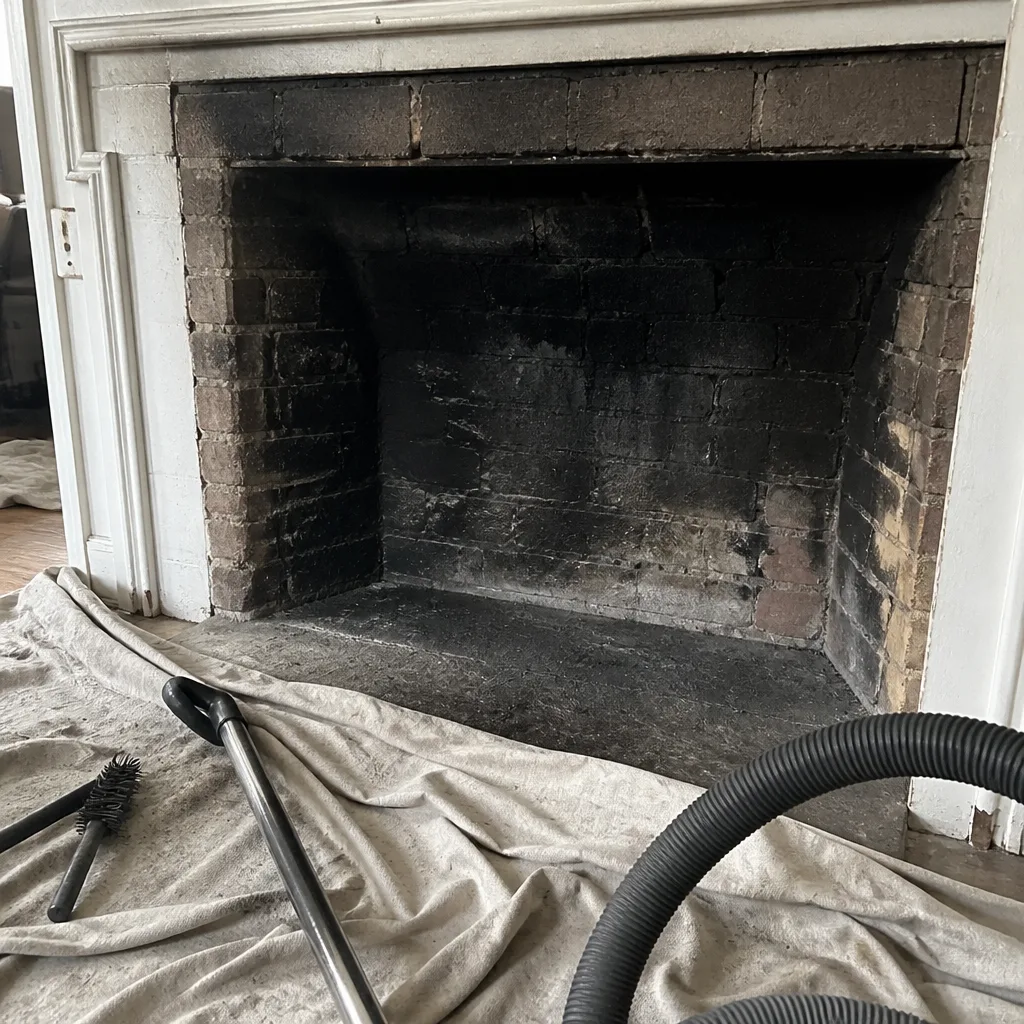
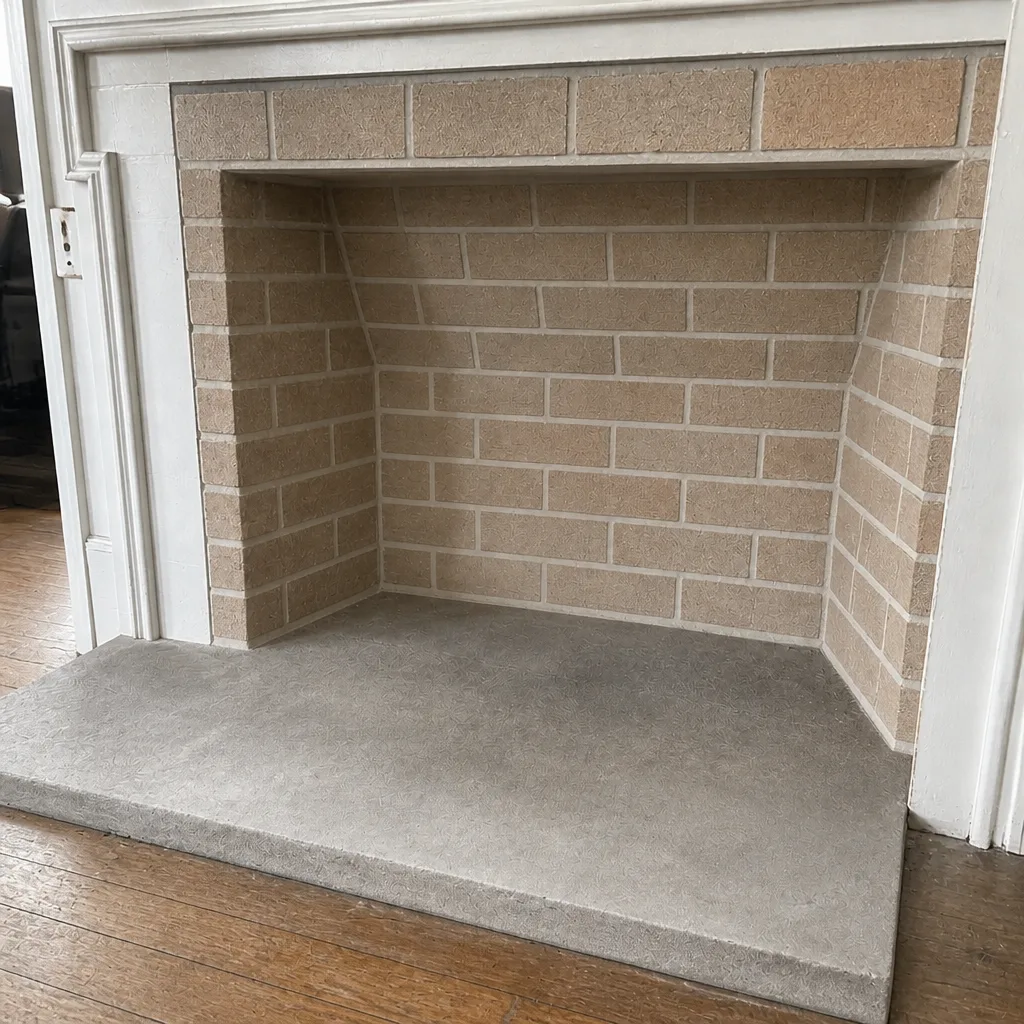
See the difference
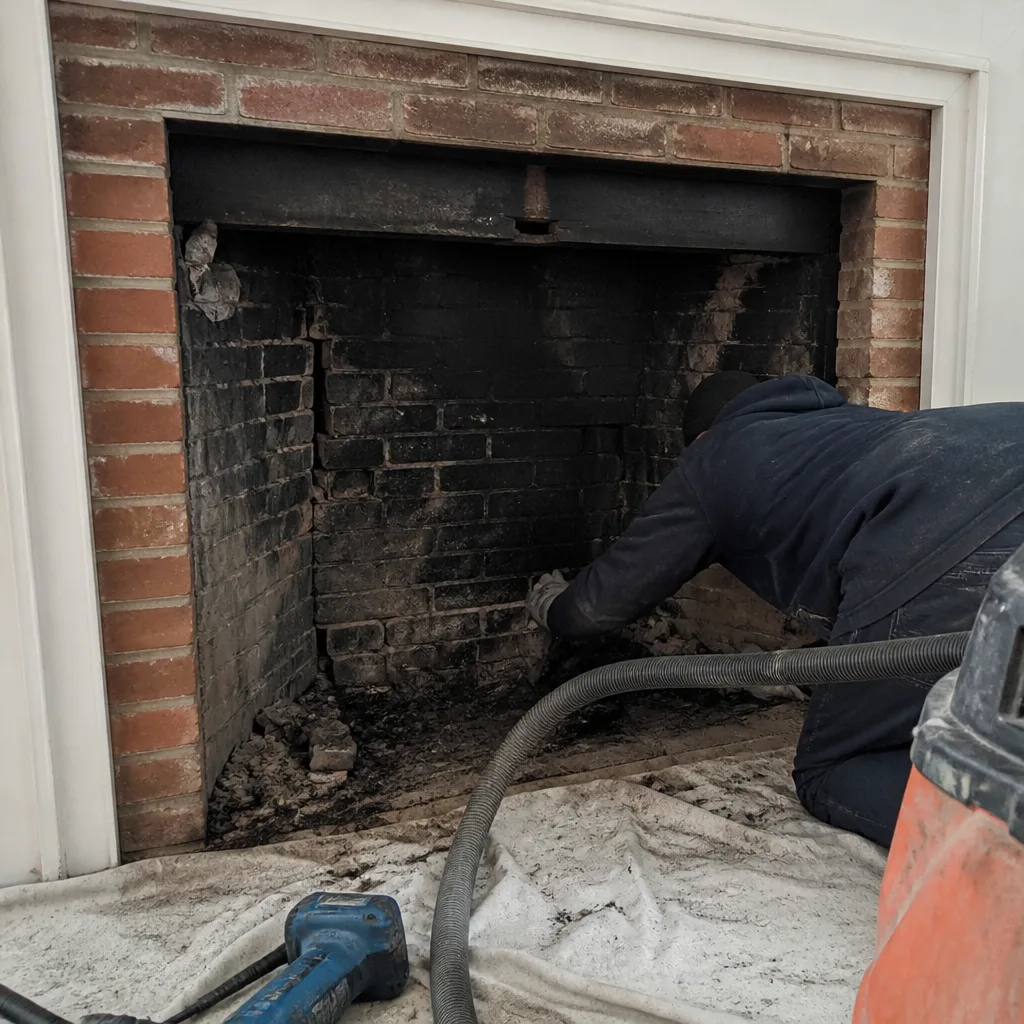 Before
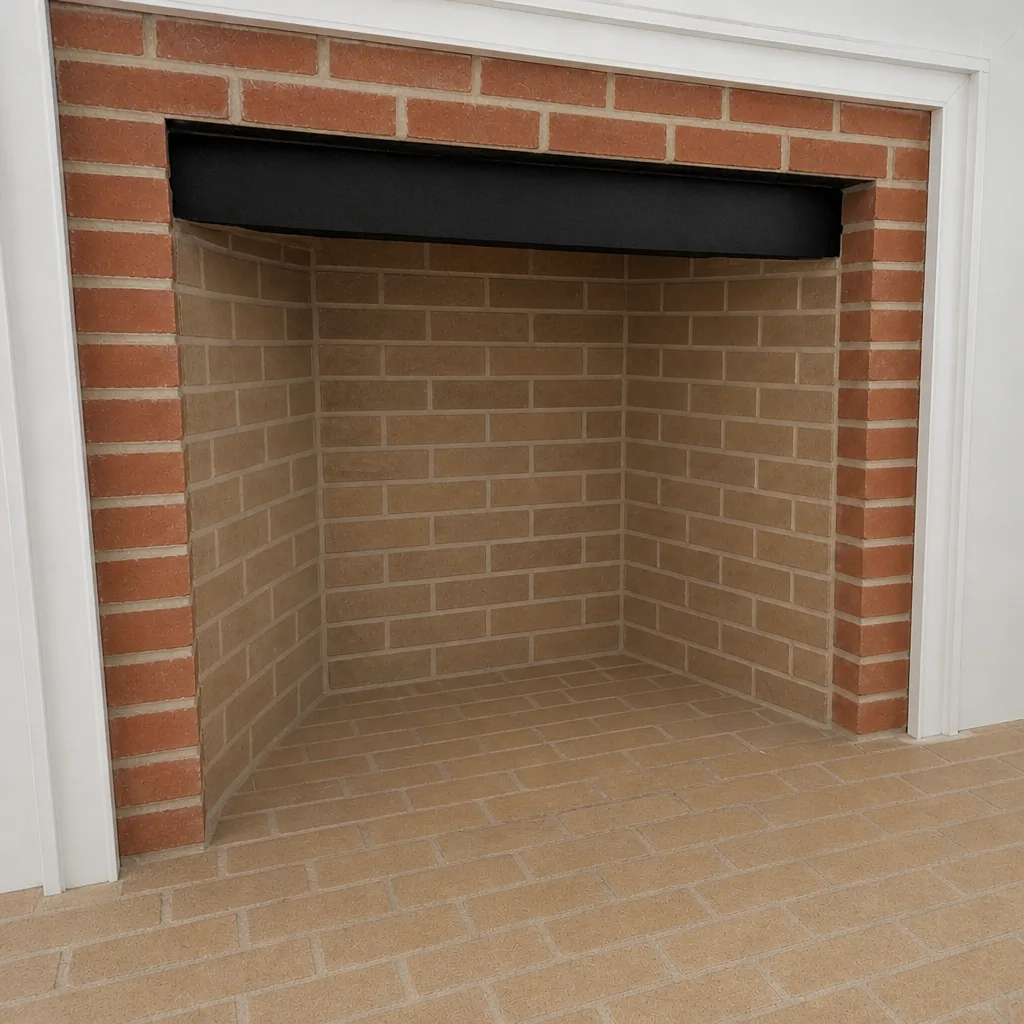 After
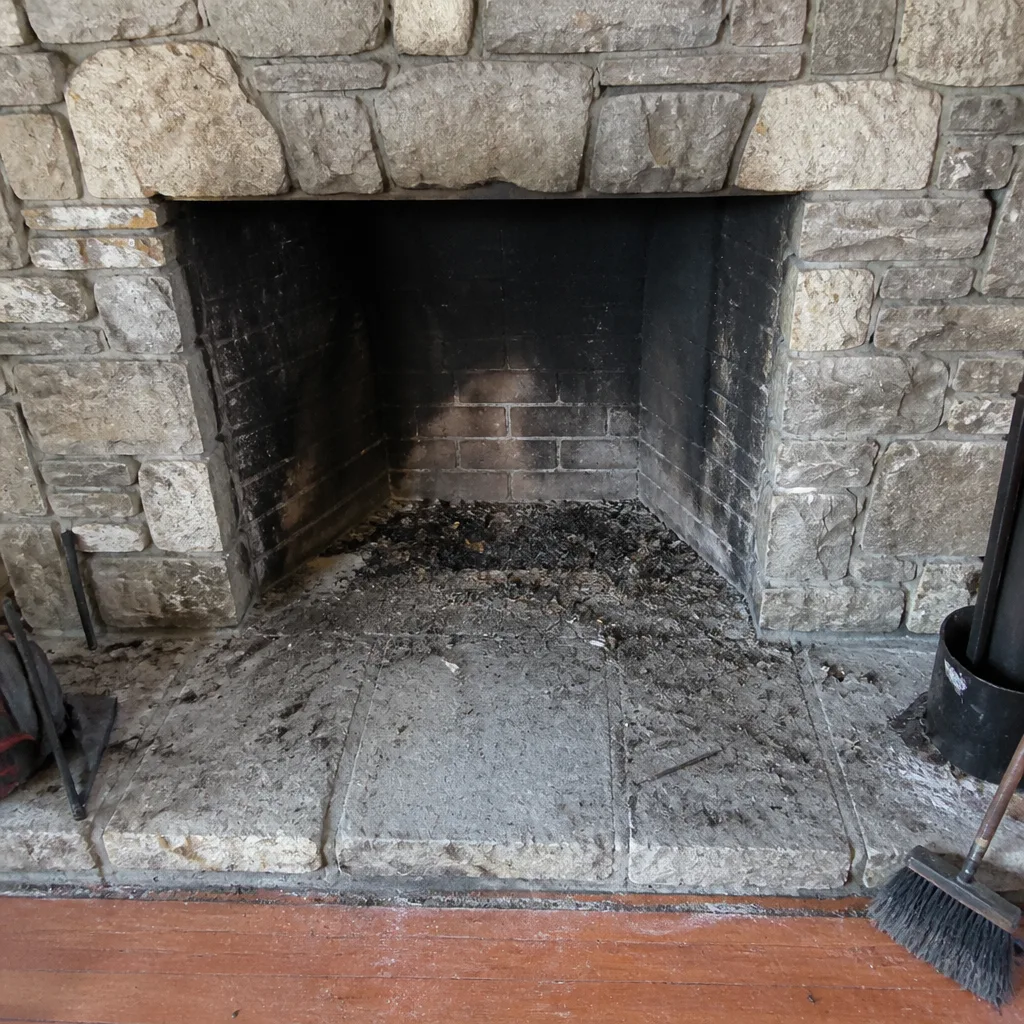 Before
 After
 Before
 After
When to Call a Professional
Some things are a calendar appointment, and some are a call. Get a professional involved if you smell gas, notice soot or staining around the vent, have a fire that won’t draw, hear unusual sounds from the flue, or suspect a chimney fire happened even briefly. Call if you’re switching fuels, adding an appliance, or haven’t had the chimney inspected in over a year. Call if you can’t remember the last sweep. And call after any storm or impact that could have affected the chimney. Providence Chimney Cleaning offers free estimates in Providence, so you can get the chimney looked at before you decide anything. Reach us at (833) 315-2861. We answer 24/7. Fast dispatch from 7am to 7pm, Sunday through Friday.
Frequently Asked Questions
Once a year at minimum, and more often if you burn heavily or see creosote building up. A home burning a cord a week through winter needs a mid-season check on top of the annual sweep. The building code standard, informed by NFPA 211, sets the floor; your actual burn frequency sets the rest. Call (833) 315-2861 for an exact schedule based on what you burn.
Yes. Gas appliances need an annual inspection even though they usually don’t need sweeping, because a gas liner can deteriorate without visible signs and the product of a failed liner is carbon monoxide. Inspection is how you catch it before it becomes a problem. Call (833) 315-2861 to book a gas appliance inspection.
September, before the first fire, is the best time for the pre-season inspection. Spring, after the last fire, is the best time to catch winter damage and plan repairs for warm-weather work. Booking early in September means you’re not competing for appointments as the cold arrives. Call (833) 315-2861 to lock in a time.
You can check a few things safely: that the cap is in place, that the damper opens and closes, whether there’s visible soot or debris in the firebox, and whether the fire draws properly. You can’t confirm the condition of the flue interior yourself, and you shouldn’t climb the roof to try. Only a professional camera inspection sees what’s actually in the flue. Call (833) 315-2861 when you want a proper look.
Creosote buildup is measured in stages, from light flaky soot to glazed, hard deposits. Homeowners usually can’t tell the stage by looking, which is why professional inspection matters. Glazed Stage 3 creosote is the fuel behind chimney fires, and it’s the exact condition a camera inspection is there to catch. If you suspect buildup, call (833) 315-2861.
Skipping a year lets creosote accumulate and can let a developing flue problem go unseen, and both are safety issues. A cracked flue or a corroded gas liner doesn’t announce itself. The annual visit is how you catch it while it’s still a repair rather than a bigger problem. Call (833) 315-2861 to get back on schedule.
The Bottom Line
The right chimney schedule is the one built around your fuel, your burn frequency, and your flue, not a generic annual rule. Wood needs sweeping based on buildup and at least a yearly sweep. Gas and oil need an annual inspection even when they don’t need cleaning. September is the window that protects your heating season, and spring is the window that protects your chimney for the long run. If you burn heavily, add a mid-season check. That’s the floor, and for most Providence homes, it’s the difference between a maintained chimney and one you’re hoping is fine. A clean chimney is a code-compliant chimney, and a scheduled one is the safer kind.
chimney sweep visits set the pace, and the rest of the year builds around them. If it’s time for your next one, call Providence Chimney Cleaning at (833) 315-2861 for a free estimate. We answer 24/7. Fast dispatch from 7am to 7pm, Sunday through Friday. Estimates are free, and your written estimate sets the final price.
Written by the team at Providence Chimney Cleaning.