
Last updated November 16, 2026
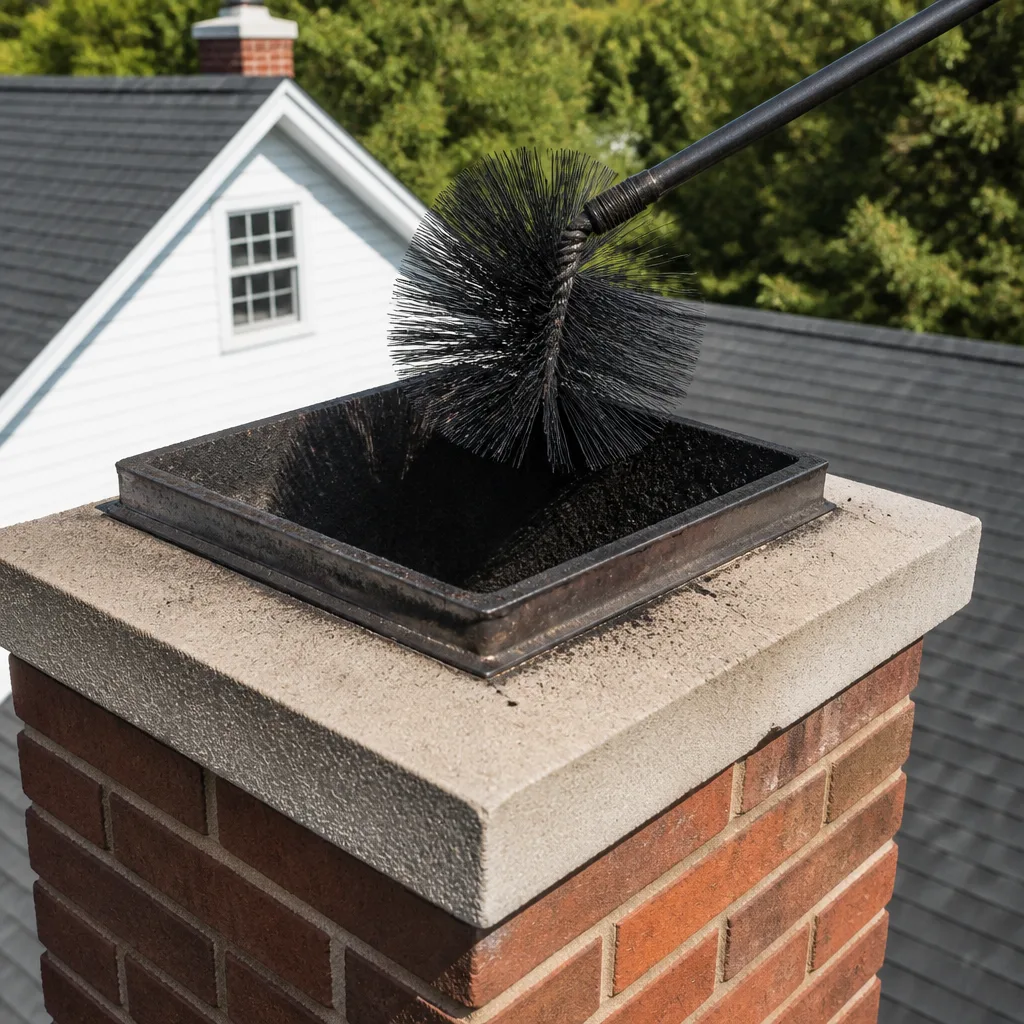 Sweep & inspection
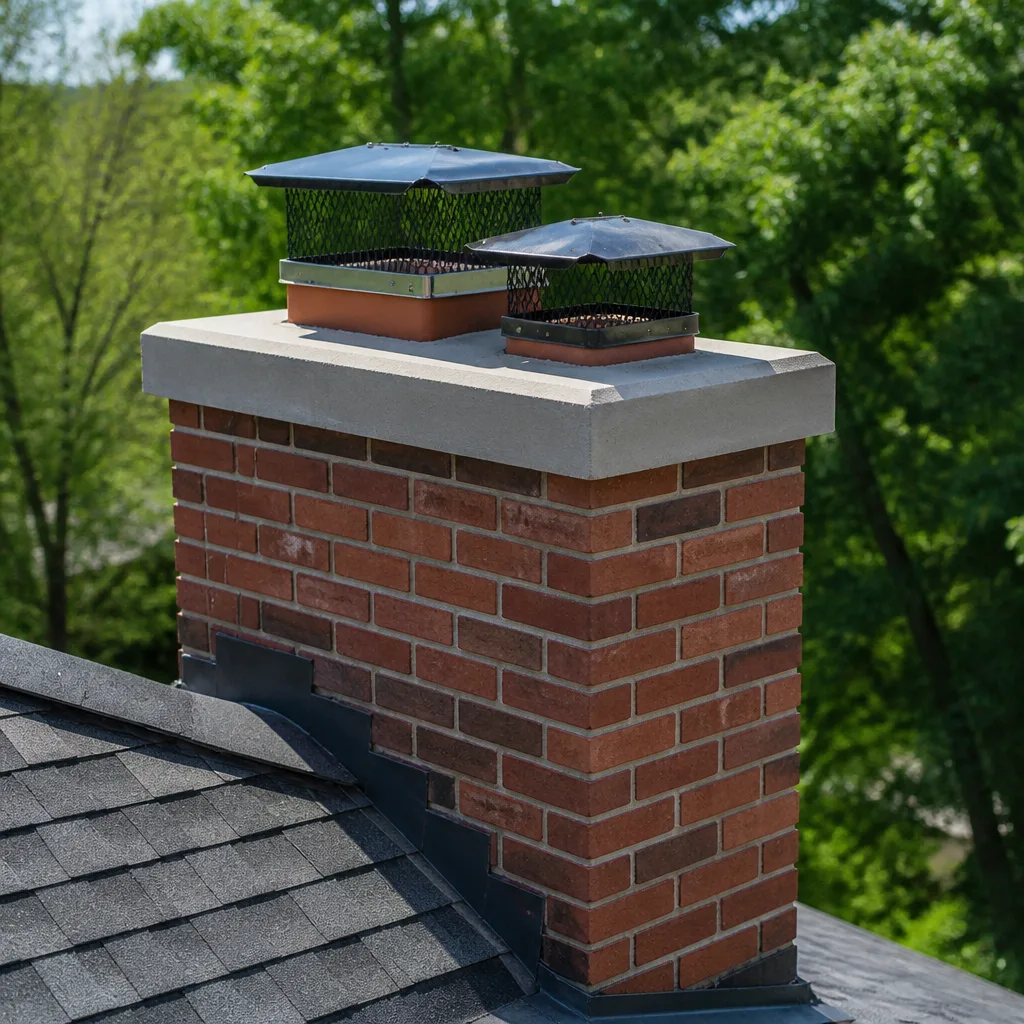 Caps & crowns
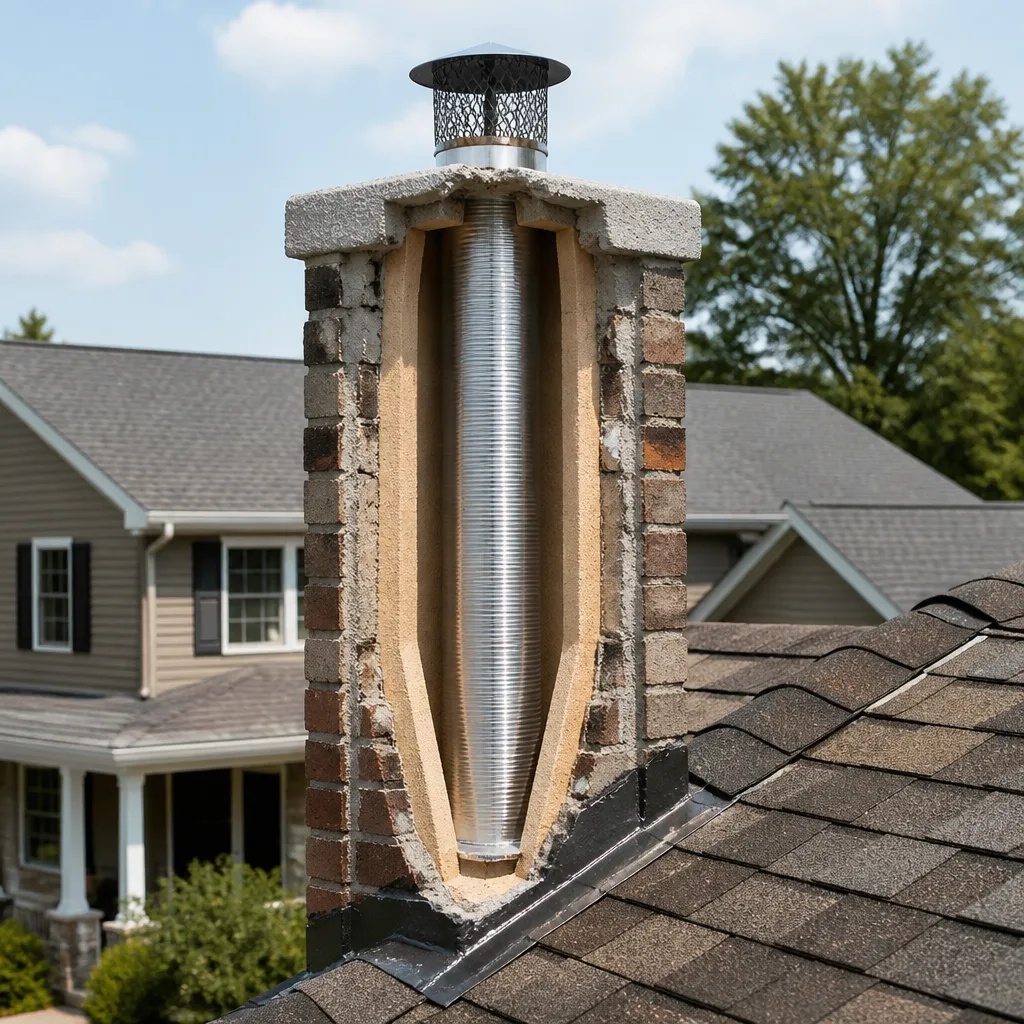 Flue relining
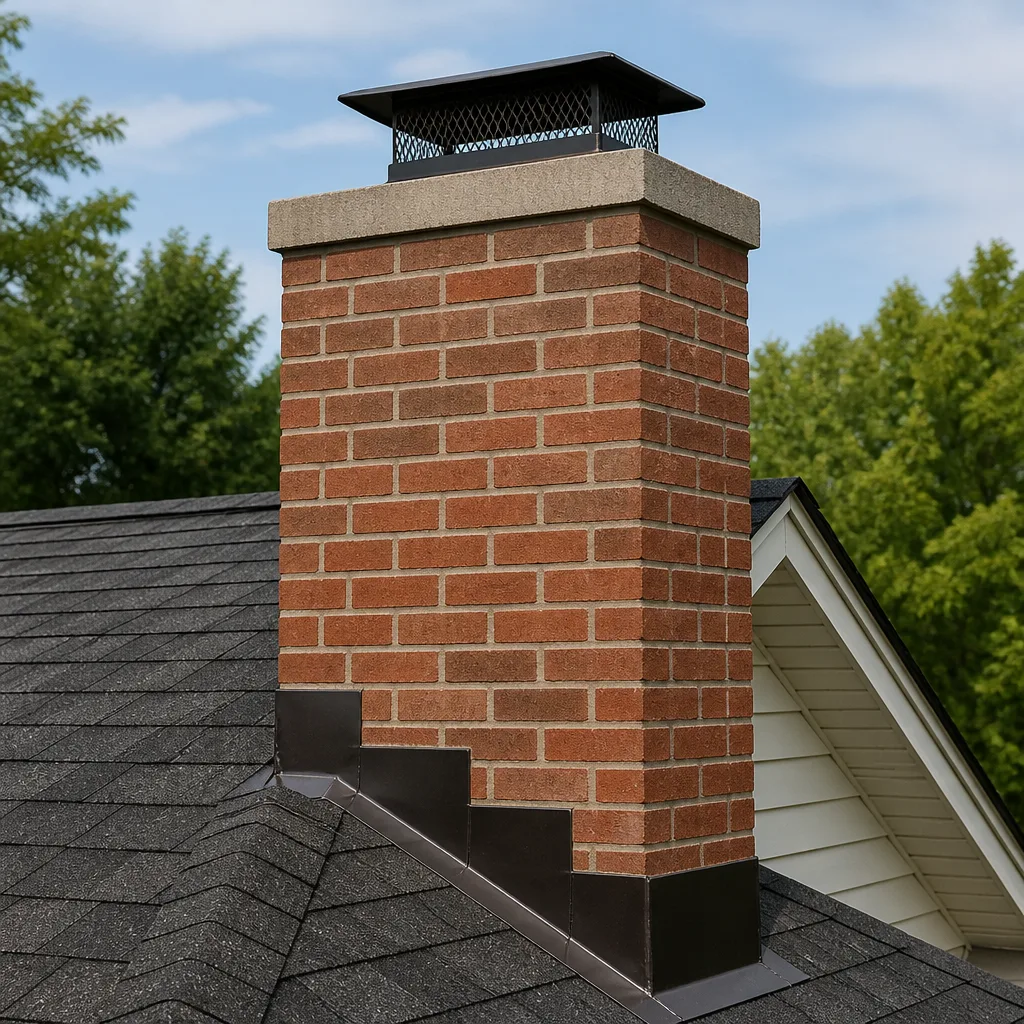 Masonry repair
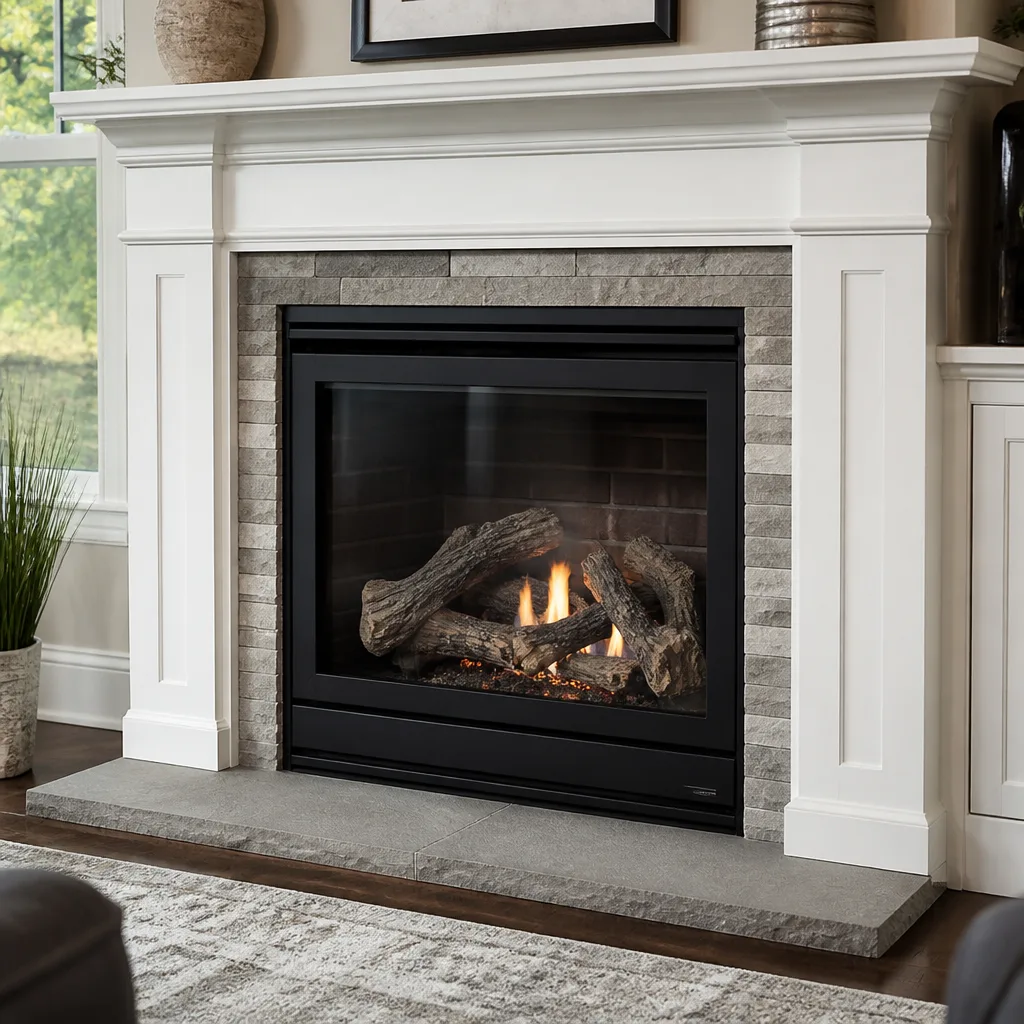 Gas fireplace service
Level 1 sweep and inspection to the NFPA 211 annual standard - flue, crown, cap, and flashing checked and photographed
Chimney sweep logs do not sweep chimneys. They loosen some creosote - which then falls where a brush and vacuum still have to collect it.
How to Hire a Chimney Cleaning Contractor in Providence: A Step-by-Step Guide
Most homeowners assume the hardest part of chimney care is finding someone who’ll show up. The harder part is knowing what you’re actually hiring. Rhode Island does not require a specific chimney sweep license to legally operate, which means two people can advertise the exact same service – one with formal certification and proper insurance, one with a brush and a pickup – and nothing on paper forces you to tell them apart. That gap is invisible unless you know what to ask. This guide walks you through vetting a contractor in Providence the way a tradesperson would, from the credentials that actually mean something to the five questions that separate a specialist from a generalist before anyone climbs on your roof.
Quick Answer
Hiring a chimney contractor in Providence comes down to verifying three things yourself, since the state won’t do it for you: current CSIA or NFI certification, a certificate of insurance that includes completed operations coverage, and a written scope of work backed by photos and an inspection report. Ask for all three before booking. A contractor who can produce them without hesitation is worth the call; one who can’t is a risk you don’t need to take with a venting system.
Styles & brands we work with
- Sweep & inspection
- Caps & crowns
- Flue relining
- Masonry repair
- Gas fireplace service
Table of Contents
- Why hiring a chimney contractor in Providence is different
- What CSIA and NFI credentials actually verify
- The five interview questions that separate specialists from generalists
- How to read an insurance certificate (and why completed operations matters)
- What a legitimate written estimate should itemize
- Red flags specific to the Providence market
- What a proper sweep and inspection should look like, step by step
- Common mistakes to avoid
Why Hiring a Chimney Contractor in Providence Is Different
In most skilled trades, the state does some of the vetting for you. Rhode Island is different for chimney work. There is no mandatory state license specific to chimney sweeping, which means the credential that separates a certified professional from an unqualified handyman is one the homeowner has to check. Nobody hands it to you.
That’s not a knock on the trade. It’s a description of the market you’re shopping in. Plenty of capable, careful contractors work in and around Providence, and plenty of generalists advertise chimney cleaning as a side service without the training or the equipment to do it properly. The ones who cut corners rarely look like stereotypes. They show up on time, they’re pleasant, and they leave without telling you what they saw in your flue.
Providence’s housing stock makes this matter more than it might somewhere else. The city has a lot of older wood-burning fireplaces and oil-fired heating systems, many of them in homes that have been through several owners and several decades of deferred maintenance. A flue that was fine for the fuel it was built for can be badly matched to what’s been burned in it since. A specialist notices that. A generalist sweeps and leaves.
There’s also a climate factor. Providence winters put a fireplace into heavy use for months, then leave it idle for the rest of the year. That cycle is exactly the kind of thing that builds creosote in stages and lets it sit. The homeowner who plans a sweep before the heating season, rather than after, catches problems before they compound.
The short version: in Providence, the hiring decision carries more weight because the state doesn’t filter for you. What follows is how to do that filtering yourself.
What CSIA and NFI Credentials Actually Verify
Two credentials come up in every serious conversation about chimney care: CSIA Certified Chimney Sweep and NFI certification. They’re not interchangeable, and they’re not the same thing as a business license. Here’s what each one actually means.
- CSIA Certified Chimney Sweep is issued by the Chimney Safety Institute of America. It verifies that an individual has passed a written exam covering chimney and venting fundamentals, and that they maintain the certification through continuing education and a code of ethics. It’s an individual credential, not a company one, so ask which technicians on a job actually hold it.
- NFI certification comes from the National Fireplace Institute and covers hearth appliances specifically – wood, gas, and pellet systems. If your home has a gas insert or a wood stove, an NFI-certified technician knows how that particular appliance is supposed to vent, which is not the same knowledge as sweeping a masonry fireplace.
Neither credential is required by Rhode Island to operate. That’s the point. They’re voluntary, which is exactly why they carry weight: a contractor who took the time to earn them chose to be held to a standard that the state didn’t force on them.
What they don’t verify: business insurance, workmanship, or whether the company will hand you a written report. Those are separate checks, covered further down. A CSIA pin on a business card is a starting point, not a finished vetting.
In our experience working in Providence, the contractors who hold these credentials are also the ones most likely to volunteer them before you ask. The ones who hedge when you bring it up are telling you something.
The Five Interview Questions That Separate Specialists From Generalists
You don’t need to know chimney construction to vet a contractor. You need five questions, asked before you book. The answers tell you almost everything.
- “Are you CSIA or NFI certified, and who exactly will be on the job?” A specialist answers directly and names the technician. A generalist says “we’re fully trained” and moves on. Press gently. If they can’t name a certification, they don’t hold one.
- “Will I get a written inspection report with photos before and after the sweep?” This is the single most revealing question. A specialist documents the condition of your flue and shows you. A generalist sweeps and takes your word for it – or takes your money and tells you the flue looks fine, without evidence either way.
- “What level of inspection are you doing?” The National Fire Protection Association’s standards describe three levels of chimney inspection. A basic sweep typically includes a Level 1 visual inspection. A Level 2 adds a video scan of the flue interior and is the standard for a home sale, a change of fuel, or after a chimney fire. A contractor who can’t explain the difference is not inspecting, they’re looking.
- “Are you insured, and can you send the certificate?” Any serious contractor sends it without a fuss. See the next section for what to look for on it.
- “What’s the written estimate, and what does it itemize?” A specialist scopes the job before quoting. A generalist quotes a number over the phone and figures out the rest on arrival.
Ask all five. You’ll know within a few minutes whether you’re talking to a chimney specialist or a generalist who added chimney cleaning to a menu. If you’d rather skip the vetting and work with a company that treats inspection as a standalone service rather than a sales funnel, we handle sweeps, repairs, and inspections with the same team from start to finish. Call (833) 315-2861 for a free estimate.
How to Read an Insurance Certificate (and Why Completed Operations Coverage Matters)
Almost nobody reads the insurance certificate they’re handed. Most homeowners glance at the company name and move on. That’s a mistake, because the certificate tells you whether the contractor is protected – and whether you are – if something goes wrong after the work is done.
You’re looking for two lines specifically:
- General liability. This covers damage during the job. If a technician drops a brush and cracks a flue tile while working, or a ladder goes through a window, general liability responds. Most legitimate contractors carry it, and most certificates will show it clearly.
- Completed operations coverage. This is the one that gets missed. It covers damage that shows up after the contractor has packed up and left – a repair that fails months later, a liner that wasn’t installed correctly, a cap that comes loose and lets water in. Chimney work is exactly the kind of trade where the failure happens later, not during the visit. If the certificate shows general liability but not completed operations, ask about it directly.
The difference matters for a specific reason: a chimney repair that fails after the fact is often expensive, and it’s often inside a wall or above a roofline where it’s not obvious until damage has spread. You want a contractor who carries coverage that responds to that scenario, not one who’s covered only while standing on your roof.
Ask for the certificate as a PDF, not a verbal confirmation. Read the coverage lines. If completed operations isn’t listed, ask whether it’s included. A qualified contractor will explain it clearly. If they can’t, that’s your answer.
For chimney repair specifically – relining, resurfacing, cap replacement – this coverage question is more important than it is for a routine sweep. Our chimney repair work uses HeatShield and DuraFlex systems, contractor-grade solutions built for exactly that kind of long-tail failure, and we’re happy to walk you through what the insurance covers before you commit.
What a Legitimate Written Estimate Should Itemize
A written estimate is more than a price. It’s a statement of scope, and the level of detail tells you how the job will actually be run. Here’s what a proper estimate for a Providence chimney job should look like.
- The inspection level. Whether the job includes a Level 1, Level 2, or Level 3 inspection, and what that inspection covers.
- What’s being swept. Which flue or flues, and which appliance – fireplace, wood stove, oil furnace vent, or all of the above. A house with more than one system should have each one listed.
- Any repairs recommended, with a separate line for each. Liner resurfacing, cap replacement, crown repair, and damper work should each carry their own line item, not a lump-sum “repairs.” You want to see what you’re paying for and be able to decline any single piece.
- Materials specified by type. If a repair is scoped, the estimate should name the product approach – for example, a HeatShield resurfacing system for restoring a compromised flue, or a DuraFlex flexible liner for a full reline. Generic “chimney repair” with no material named is a vague quote.
- Photos and report included. A legitimate estimate for a sweep should include post-sweep photography and a written report at no extra charge.
- The final price. Estimates may shift if the inspection reveals something not visible from the outside, but the estimate should say so plainly and set the final price in writing.
A vague quote is not a bargain. It’s a sign the job hasn’t been scoped. When the contractor arrives and finds a flue that needs more work than the phone quote assumed, you’re negotiating from a position of no information. A written estimate that itemizes the work puts you in control of the decision. Our chimney sweep includes the inspection and photo report as part of the job, not as an upsell.
Red Flags Specific to the Providence Market
Every market has its own patterns, and Providence is no exception. These are the warning signs we’ve seen homeowners run into.
- Vague scoping. The quote says “chimney cleaning” with no mention of which flue or which appliance. Providence homes often have more than one system. If the contractor doesn’t ask, they haven’t scoped.
- No written inspection report. A sweep without a report leaves you with no record of what the flue looked like before and after. Ask for it up front. If it’s not included by default, that’s a red flag.
- No post-sweep photography. Photos before and after are the single most reliable way to know the work was done and done properly. A contractor who doesn’t document has given you no way to verify.
- “You need a new liner” without video evidence. This is the big one. Relining is a real and sometimes necessary service, but a recommendation that can’t be backed by a video scan of the flue is a sales pitch, not a diagnosis. Ask to see the footage before you agree to anything.
- Pressure to decide on the spot. If a repair recommendation comes with a time-limited discount or a warning that the risk is immediate and severe, slow down. A genuine safety issue is worth addressing promptly, but it can be explained without urgency tactics – and you should still get photo evidence.
- No brand names on materials. Contractors who use professional-grade products from suppliers like Famco or Copperfield name them. Generic hardware-store substitutions don’t get named because they aren’t worth naming.
- No certificate sent. A contractor who hesitates to send a certificate of insurance isn’t insured, or doesn’t know how to prove it. Either is a problem.
Red flags are cumulative. Any one of these on its own might be an oversight. Three or four on a single call is a pattern, and you’re better off with another contractor.
What a Proper Sweep and Inspection Should Look Like, Step by Step
Once you’ve vetted a contractor, here’s what the job should involve from start to finish. If any step is missing, ask why.
- Pre-sweep inspection. The technician assesses the appliance, the flue, and the accessible venting before touching anything. This is where Level 1 vs. Level 2 is determined.
- Protection of the living space. Drop cloths and a sealed work area. A sweep that leaves soot on your floor is a sweep that wasn’t done carefully.
- The sweep itself. Mechanical brushing of the flue from the appropriate access point, top-down or bottom-up depending on the chimney. A professional sweep uses proper brushes sized to the flue, not a universal brush that leaves buildup behind.
- Photo documentation before and after. The technician photographs the flue interior before sweeping and after. You should see both sets.
- Written inspection report. What was found, at what level of inspection, and any recommended repairs – with photos.
- A clear recommendation, or none. If nothing needs repair, the report should say so. A sweep that ends with a clean flue and a clean report is a complete job.
For homeowners in older Providence neighborhoods with gas inserts or oil-fired systems, the inspection step often matters more than the sweep itself. Gas inserts need a different inspection than a wood-burning fireplace, since the venting risks and the creosote profile are different. If your technician doesn’t ask which appliance you burn, they aren’t inspecting. They’re sweeping.
Safety note: some chimney components should never be worked on by the homeowner. High-tension springs and cables in garage doors, live electrical panels, and gas lines are all out of scope for DIY, and so is anything on a steep roof. Chimney work is height work and vent work. Call a trained professional.
Common Mistakes to Avoid
- Hiring the cheapest quote without asking questions. A very low price usually means a short job. Ask what’s included before you compare numbers on cost alone, because a $99 sweep and a $199 sweep are rarely the same service.
- Skipping the credential check. Rhode Island doesn’t require chimney certification, so if you don’t ask, nobody will tell you. Ask directly whether the technician on your job holds CSIA or NFI certification.
- Reading the insurance certificate but only looking at general liability. Completed operations coverage is the one that protects you after the work is done. Ask for it explicitly.
- Accepting a relining recommendation without video evidence. If you haven’t seen the footage, you haven’t seen the reason. Ask. A contractor with a real finding shows the evidence without hesitation.
- Booking a sweep after the heating season instead of before. In Providence, winter is heavy-use season. Booking a sweep before it starts means you’re burning on a clean flue all winter, not catching up after months of buildup.
- Accepting a quote with no written scope. If it isn’t in writing, it isn’t a quote. It’s a conversation. Get the scope and the final price in a written estimate before anyone books the job.
- Assuming a general handyman can do it. Chimney work is a trade with its own equipment and its own failure modes. A capable handyman is still not a chimney specialist.
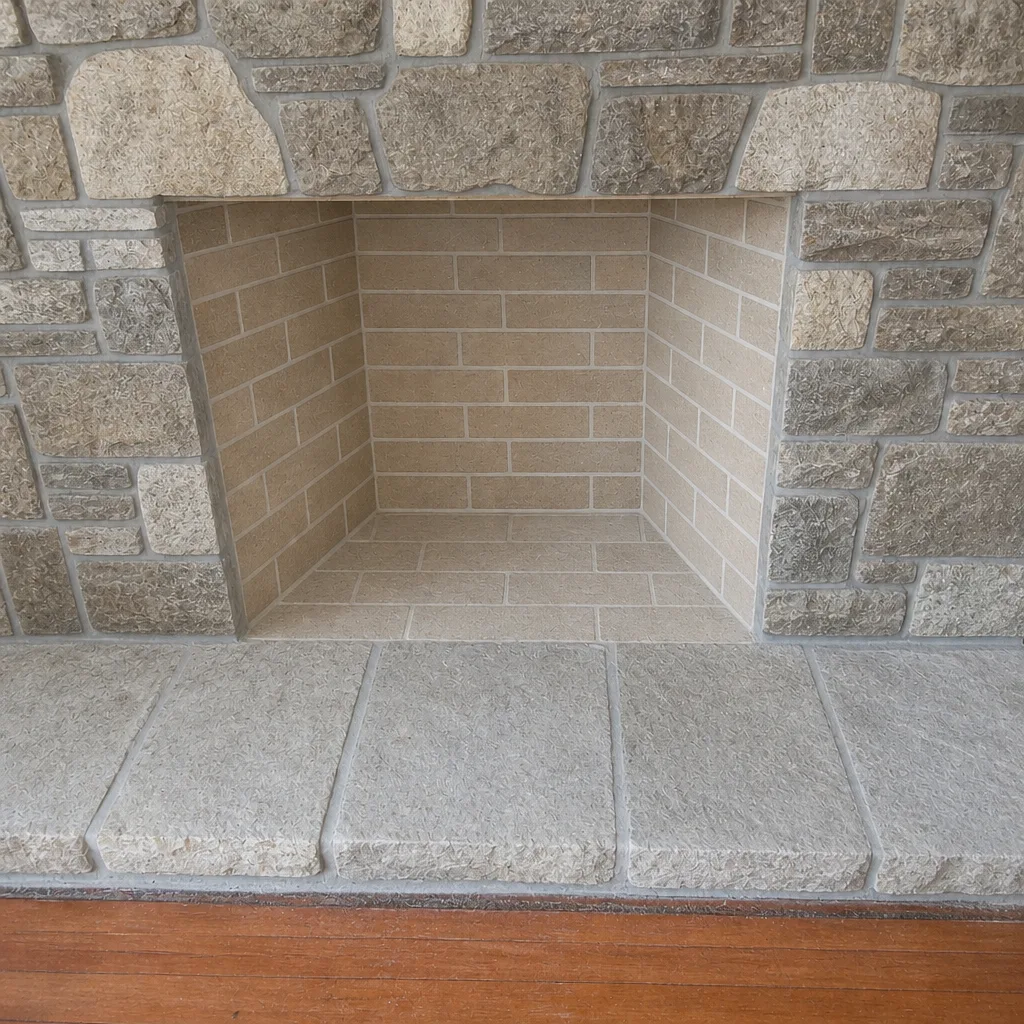
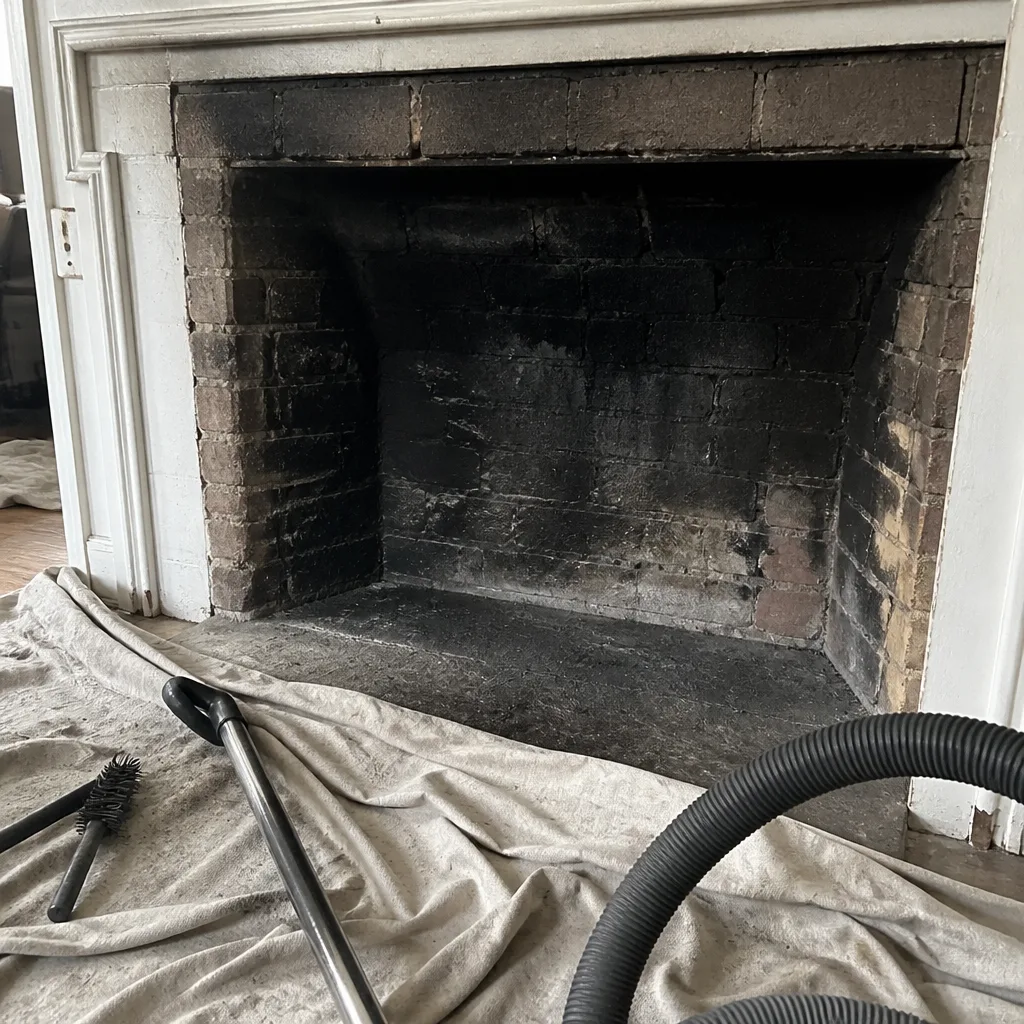
See the difference
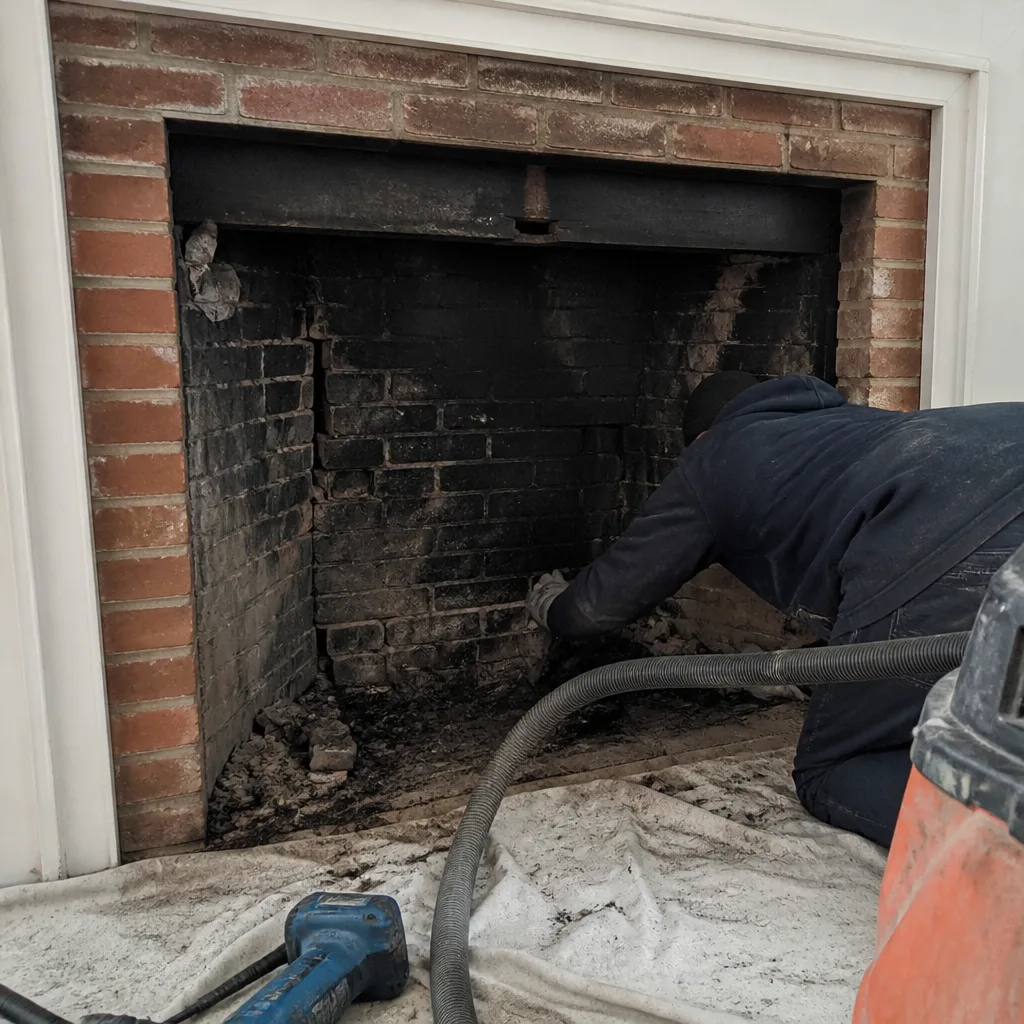 Before
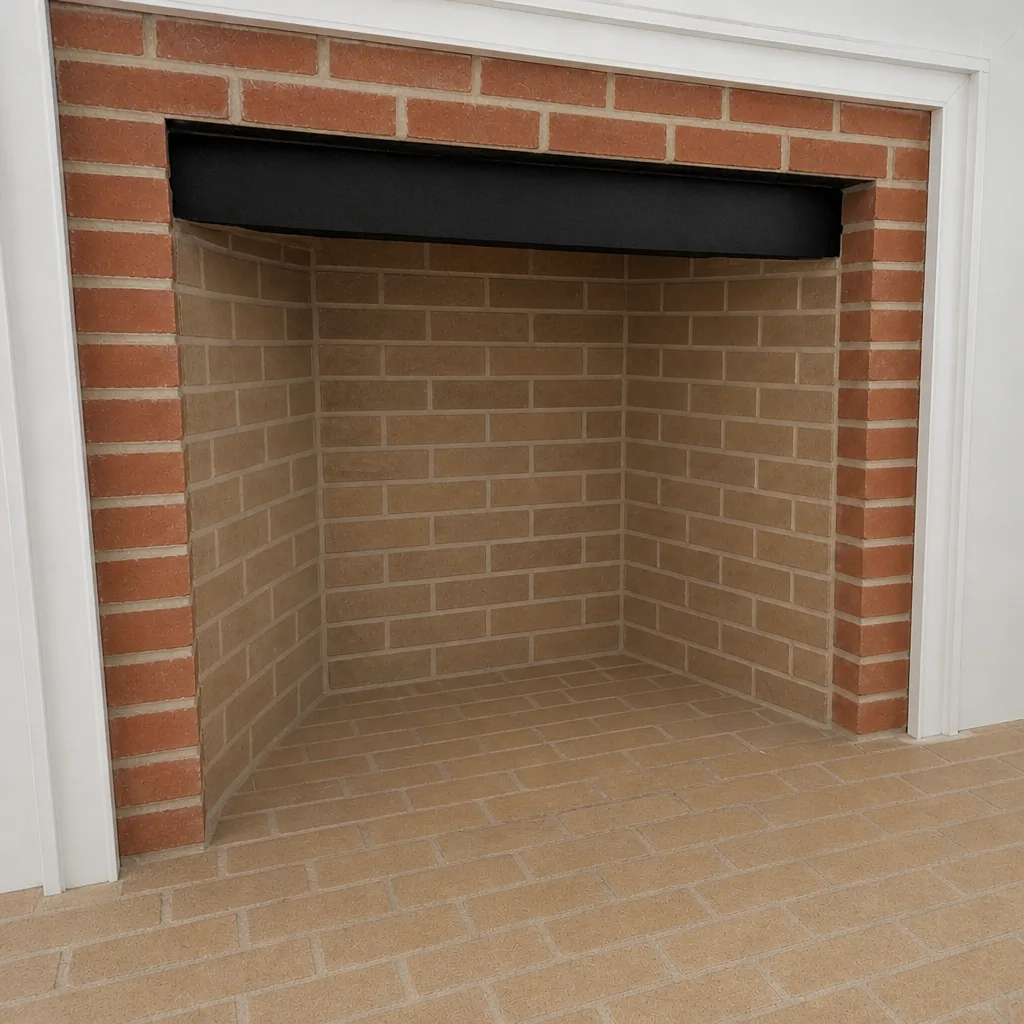 After
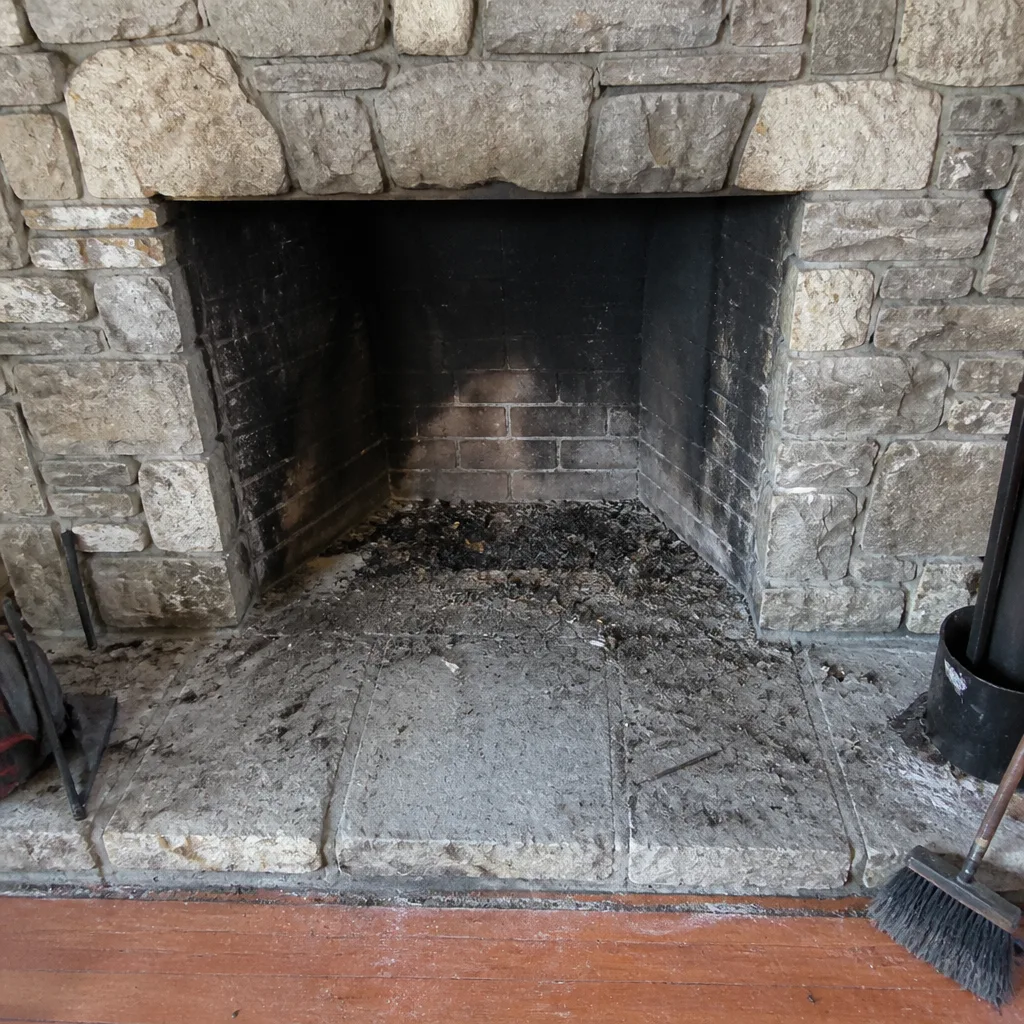 Before
 After
 Before
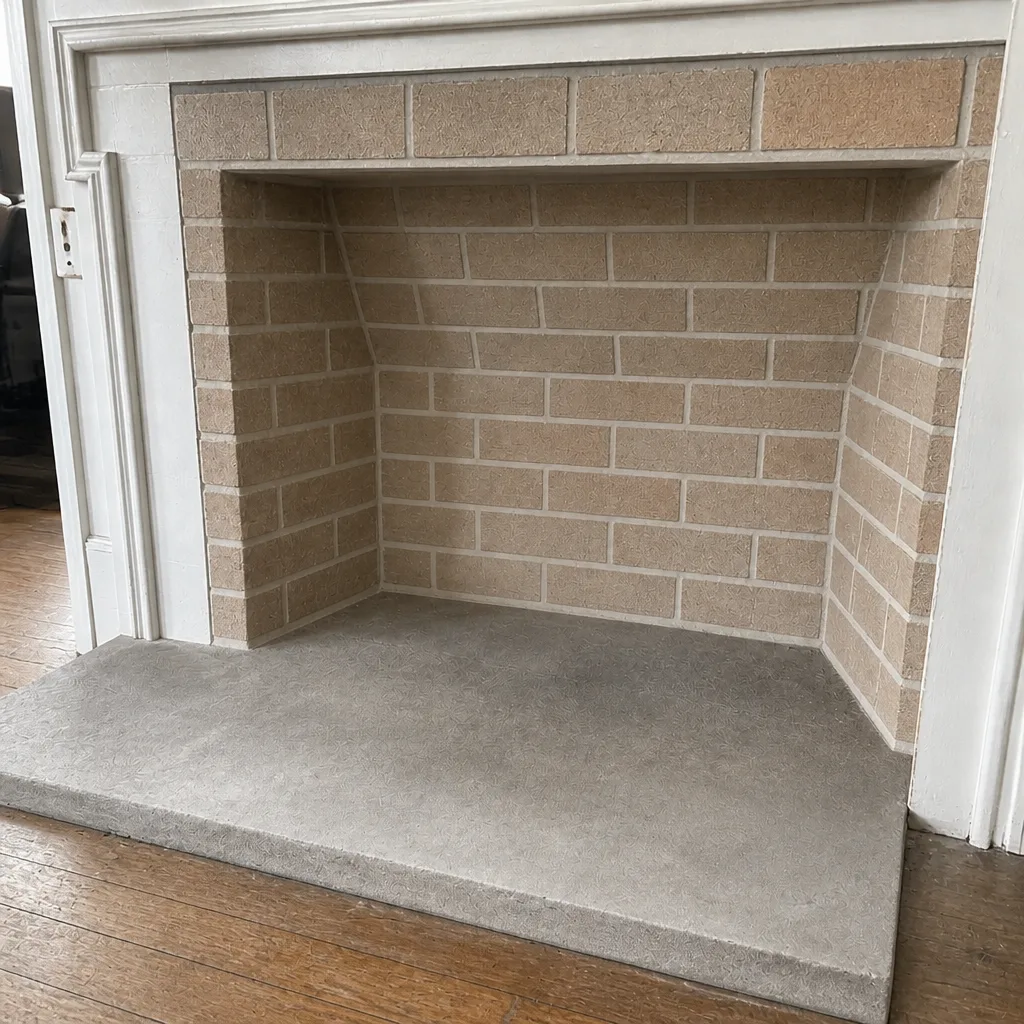 After
When to Call a Professional
Some things wait. Others don’t. Call a professional if you can’t remember the last sweep, if you’ve just bought a Providence home and don’t have service records, if you’re switching fuel types, if you’ve had a chimney fire or a suspected one, or if you’re seeing smoke backing into the room, a strong odor on warm days, or water staining around the flue. Call before the heating season starts if you’re heading into winter without a recent inspection.
Here at Providence Chimney Cleaning, we’ve seen the full range in this city. Some flues need a sweep and nothing more. Some need repair scoped carefully with photo evidence. Either way, you get a written report and a photo record of what we found. Providence Chimney Cleaning offers free estimates in Providence – call (833) 315-2861 to book a sweep or inspection. We answer 24/7, with fast dispatch from 7am to 7pm, Sunday through Friday.
Frequently Asked Questions
No – Rhode Island does not require a specific state license for chimney sweeping, so you’ll rarely see a chimney-specific license number on any contractor’s card in Providence. That’s exactly why the credentials that do exist, like CSIA Certified Chimney Sweep and NFI certification, matter more than they would in a state where licensing did the filtering for you. Ask about them directly and ask to see proof. A contractor who holds them will be happy to show you.
Most wood-burning chimneys should be swept once a year, or more often if you burn heavily or notice buildup. The National Fire Protection Association’s guidance is based on inspection, not a rigid calendar, which is why the inspection matters as much as the sweep itself. For a Providence home burning wood all winter, an annual sweep before the season is the practical standard. Gas and oil systems have different intervals, and a proper inspection will tell you what yours actually needs. If you’re not sure when yours was last swept, call (833) 315-2861 and we’ll get one booked.
A Level 1 inspection is a visual check of the accessible portions of the chimney and venting, and it’s included in a standard sweep. A Level 2 inspection adds a video scan of the flue interior, and it’s the standard for a home sale, a change of fuel type, or after any chimney fire or event that may have damaged the flue. If your contractor can’t tell you which level they’re doing, ask. A Level 2 is generally what you need if you’re being told the flue has a problem. Call (833) 315-2861 for an exact quote – estimates are free.
Chimney sweep pricing varies by scope, which is why a written estimate matters more than a quote by phone. A basic sweep and a Level 2 inspection of a house with multiple flues are not the same job and shouldn’t carry the same price. Rather than publish a number that would only mislead you, we set the price per job in a written estimate after we know what we’re looking at, and the estimate is free. Call (833) 315-2861 to get yours.
Not always. A new liner is a real and sometimes necessary fix, but it should never be recommended without video evidence of the flue interior. If your technician recommends relining, ask to see the footage. A compromised flue genuinely needs a liner to vent properly and safely, and options like a DuraFlex flexible liner are the right approach when the finding is real. But a recommendation without evidence isn’t a diagnosis – it’s a sales pitch. Call (833) 315-2861 to get an inspection with photo documentation you can review yourself.
Creosote builds up in the flue over time, and heavy creosote is a chimney fire risk. That’s the real reason for annual service – not the smell, not the mess, but the fire risk. If a chimney fire happens, the flue may need a Level 2 or Level 3 inspection before it’s safe to use again. Skipping a sweep isn’t a savings; it’s deferred risk. Call (833) 315-2861 to book a free estimate before the next heating season.
The Bottom Line
Hiring a chimney contractor in Providence takes a little more work than hiring in a trade where the state does the vetting for you, but the checklist is manageable. Verify CSIA or NFI credentials, read the insurance certificate for completed operations coverage, insist on a written scope with photo documentation, and refuse any relining recommendation that comes without video evidence. Use the five interview questions. Watch for vague scoping. That’s the whole job of hiring well.
The rest is scheduling. Book your sweep before the heating season, not after. If a report comes back clean, trust it – nothing needs fixing. If it comes back with a finding, look at the photos and decide from evidence, not pressure. Providence Chimney Cleaning has up to 12 years of technician experience across sweeps, repairs, and inspections, and we scope every job before quoting it. Call (833) 315-2861 for a free estimate. We answer 24/7, with fast dispatch from 7am to 7pm, Sunday through Friday.
Written by the team at Providence Chimney Cleaning.